
Reviewed · BRUGES AND GHENT DAY TRIPS
Bruges and Ghent Day Trip from Brussels
Two medieval cities, one long day. This Buendía coach tour lets you see Bruges and Ghent without arranging trains, local buses, or a detailed walking plan yourself. For $56.72, you get round-trip transport from central Brussels, an English-speaking guide, and guided walks through two of Belgium’s most famous old cities.
I like the efficient route through Bruges, from Minnewater and the Begijnhof to the Markt and Burg Square. I also like the mix of guided sightseeing and free time, with about an hour to an hour and a half in Bruges and about an hour in Ghent. The main drawback is the pace: expect a great deal of walking on cobblestones, plus limited time for a proper meal or museum visit.
The strongest guides, including Angie, Antonio, Blanca, JC, Juliana, Jorge, and Havi, have made this a lively and useful day for many people. But the experience depends heavily on group size, radio quality, and how well the guide manages the meeting points.
In This Review
- Key points to know before booking
- Starting at Carrefour de l’Europe at 8:30 am
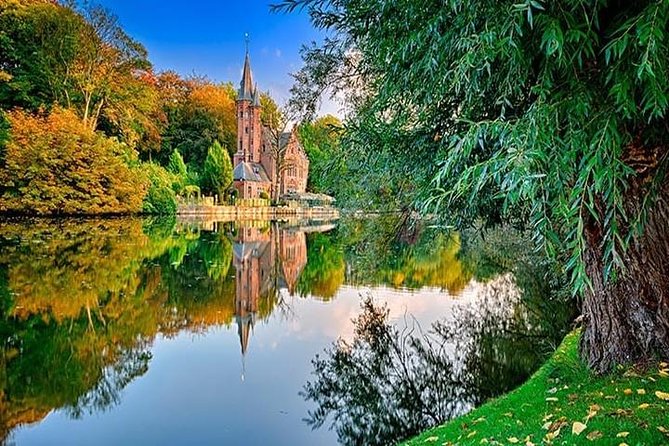
- Bruges begins at Minnewater and the Begijnhof
- Chocolate, beer, and medieval houses
- Michelangelo, noble families, and Bruges’ postcard views
- Burg Square and the Markt
- Bruges free time: beautiful, but short
- Ghent starts with the Town Hall and Belfry
- Ghent’s guild houses and riverfront
- Butchers, cuberdons, and Sint-Veerleplein
- One hour of free time in Ghent
- Guides, radios, and group size
- Is $56.72 a fair price?
- Who should book this day trip?
- Final verdict: book it for coverage, not leisurely discovery
- FAQ
- Where does the tour start?
- How long does the experience last?
- Are Bruges and Ghent both included?
- How much free time do I get in Bruges?
- How much free time do I get in Ghent?
- Are meals and drinks included?
- Do I need to bring headphones?
Key points to know before booking
- Bruges gets the longer look: You follow a long chain of historic stops before having roughly 60 to 90 minutes to explore independently.
- Ghent feels more compact: The main sights fit together well, but free time is shorter, usually about one hour.
- The bus cannot always reach the old centers: Drop-off points may leave you walking 15 to 20 minutes before the sightseeing begins.
- Bring wired earphones if possible: Belgian rules sometimes require radio-guides, and disposable headphones cost €1.
- The tour can reach 45 people: Smaller groups are much easier to hear, follow, and keep together in crowded streets.
- Good shoes matter: This is a ten-hour day with repeated walking, standing, bridges, and uneven cobbles.
Starting at Carrefour de l’Europe at 8:30 am
The meeting point is Carrefour de l’Europe, near Brussels Central Station and public transportation. Arrive early. Several buses may leave from the same area, so check that you are boarding the correct one and listen carefully for the group instructions.
The day lasts about ten hours. That sounds generous, but the clock includes driving, bathroom stops, city walks, free time, and the return trip. You should think of this as a fast introduction to both cities, not two relaxed day visits.
The air-conditioned coach is a useful part of the package. Bruges and Ghent are easy to reach by train, but you would still need to plan city-center routes, coordinate two rail journeys, and watch the time closely. Here, the guide handles the transfers and tells you where and when to return.
The tradeoff is flexibility. If you fall in love with Bruges, you cannot simply stay for the afternoon. The whole group must continue to Ghent.
More Day Trips in Brussels
- From Brussels: Guided Day Trip to Bruges and Ghent
★ 4.6 · 8,353 reviews - Luxembourg and Dinant Day Trip from Brussels
★ 4.0 · 1,474 reviews - From Brussels: Bruges Day Trip with Boat Tour Option (ENG)
★ 4.6 · 1,352 reviews
Bruges begins at Minnewater and the Begijnhof
The coach first stops at Bargeplein, also called Katelijnparking. You get about ten minutes for the bathroom before walking toward Minnewater, Bruges’ Lake of Love. The stop itself is brief, only around five minutes, but it gives the guide a scenic setting for the city’s opening story.
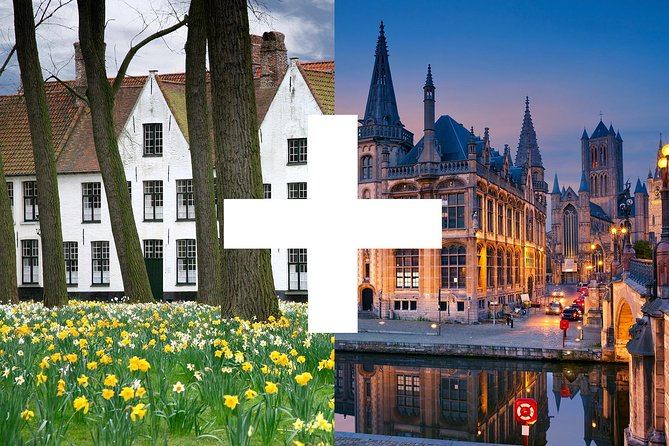
From there, the group continues to the Begijnhof, founded in 1245. This quiet enclosure recalls the lives of the beguines, women who formed religious communities without taking formal monastic vows. The visit lasts about ten minutes, so you will hear the key background rather than explore every corner at leisure.
This opening section is pleasant because it moves away from the busiest squares and introduces Bruges through water, gardens, and old houses. It also sets the tone for the day: short explanations, a few photographs, then onward.
Chocolate, beer, and medieval houses
At Chocolalino, a certified artisan chocolate shop, you have a short tasting and an explanation of handmade chocolate. The guide also offers practical advice on telling artisan products from industrial sweets. Five minutes is not enough for a long shopping stop, but it is a useful introduction if you plan to buy chocolate later.
Walplein follows, with a short talk about Bruges beer. This is one of the city’s attractive squares, and the beer discussion gives some context to a drink that is part of everyday Belgian culture. You do not receive food or drinks as part of the tour, so save your appetite and budget for free time.
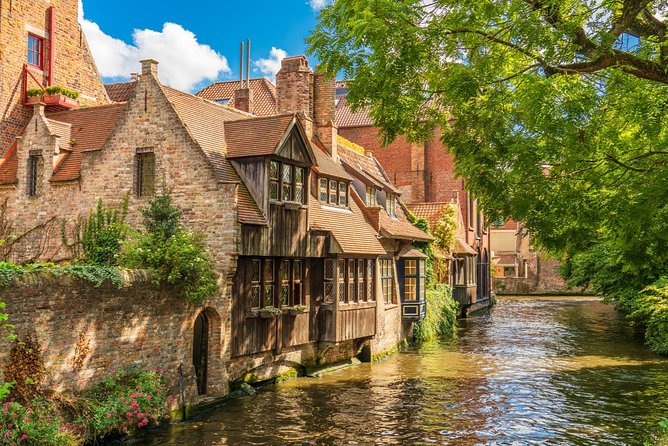
At Stoofstraat, the guide points out original medieval houses. This is a small detail, but it helps you read the city instead of simply photographing it. Look for the shapes, materials, and proportions of the buildings as the guide explains how to separate genuine old structures from later imitations.
The route includes a little bridge for photographs before reaching Saint John’s Hospital. At the hospital, you hear how medical care worked in medieval Bruges. The stop lasts about eight minutes and remains outside, so you should not expect a full museum visit.
Michelangelo, noble families, and Bruges’ postcard views
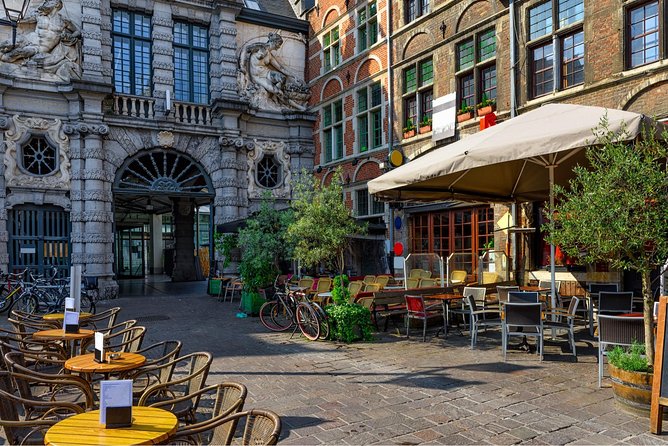
The Church of Our Lady comes next. The guide explains the exterior and points out the significance of Michelangelo’s white marble Madonna and Child, which is inside. The tour does not include an interior visit here, so if you want to see the sculpture, you need to use your own free time and check opening conditions on the day.
Across from Gruuthusemuseum, the guide discusses one of Bruges’ most powerful families. Again, the value lies in the explanation rather than an admission ticket. You get a clearer sense of how wealth and influence shaped the city’s grand houses.
Boniface Bridge is one of the most photogenic spots on the walk. You hear the legend connected with the bridge and have time for pictures. The route then reaches Rozenhoedkaai, also called Quai du Rosaire, often treated as Bruges’ classic waterfront view.
This is where the tour may feel crowded. The famous photo points attract many people, and a large group can make it hard to hear or frame a picture. Stay close when the guide begins moving, and do not assume the entire group will wait at every bridge.
More Bruges and Ghent day trips:
- Bruges and Ghent – Belgium’s Fairytale Cities – from Brussels
★ 4.0 · 4,809 reviews - Excursion to Bruges and Ghent by bus from Brussels
★ 4.5 · 221 reviews - From Brussels: Bruges and Ghent Full-Day Trip by Train
★ 4.3 · 103 reviews - Private Tour: Ghent and Bruges From Brussels Full Day
★ 4.5 · 23 reviews
Burg Square and the Markt
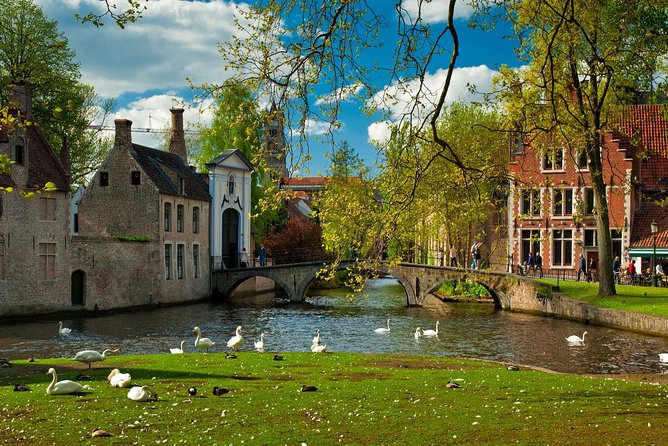
At Huidenvettersplein, or Tanners Square, you learn how tanners worked in medieval Bruges. Then the group reaches Burg Square, home to the Gothic Town Hall, the Old Court House, and the Basilica of the Holy Blood.
Burg is one of the best places to pause and study the city’s changing architectural styles. The guide’s talk lasts about ten minutes, enough to point out the buildings and explain their roles. Entry is not part of the guided walk.
The final Bruges stop is the Markt, or Grote Markt. Here the guide identifies the major buildings and gives suggestions for restaurants, chocolate shops, beer, and souvenirs. You also receive precise instructions for the bus to Ghent.
This is important. The bus parking area is not beside the most famous sights, and some people have found the return walk confusing or close to 20 minutes. Do not wander off without confirming the meeting time and location.
Bruges free time: beautiful, but short
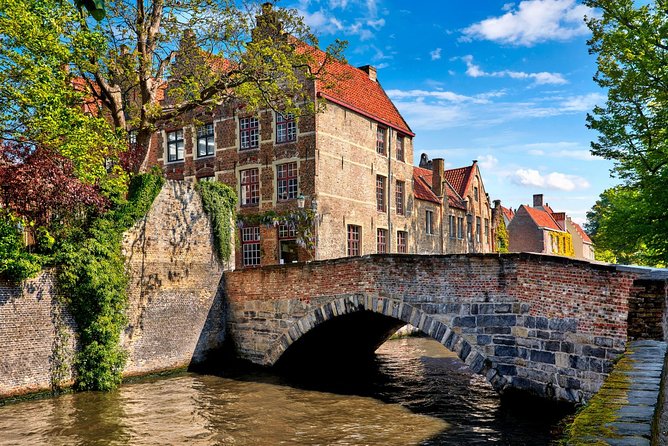
You get approximately 60 to 90 minutes of free time in Bruges, depending on traffic and the walking speed of the group. The supplied schedule lists about one hour, while the tour description allows roughly an hour and a half, so plan conservatively.
I would use this time for one focused goal, not a long list. Choose lunch, chocolate shopping, a quick independent walk, or an interior visit. Trying to do all four will leave you watching the clock instead of enjoying the city.
Bruges is the place where the limited free time is felt most sharply. You may want a sit-down meal, more time around the canals, or a visit to a museum. The guided route gives you a strong first look, but it does not leave room for a slow afternoon.
Return to Bargeplein for the coach. The stop is listed at about ten minutes before the journey to Ghent. Be early. The day does not pause for late arrivals.
Ghent starts with the Town Hall and Belfry
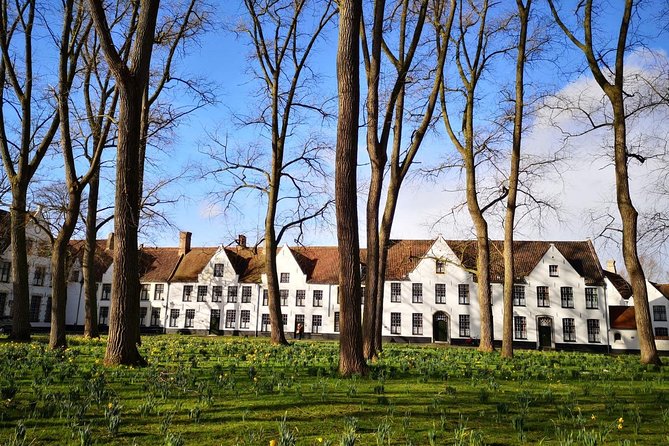
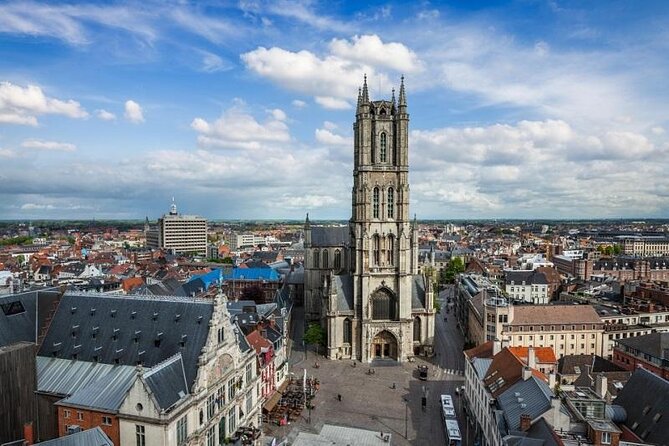
After the drive, the coach arrives in Ghent. The group walks toward the center, where the guided section begins at Ghent Town Hall. The guide explains the building’s different architectural styles, a good introduction to Ghent’s layered appearance.
The Belfry comes next. You learn about the tower and the dragon associated with it. The talk lasts around ten minutes. You will see the tower from street level, but climbing it is not part of this experience.
At Saint Bavo’s Cathedral, the tour includes the exterior and interior. This is one of the most valuable stops because the cathedral houses The Adoration of the Mystic Lamb by the Van Eyck brothers, often described as one of the most stolen paintings in history.
The cathedral visit lasts about 25 minutes. That is enough for an organized introduction, but not a slow examination of every detail. If seeing the altarpiece is a priority, keep the group together and listen for instructions about where to look.
Ghent’s guild houses and riverfront
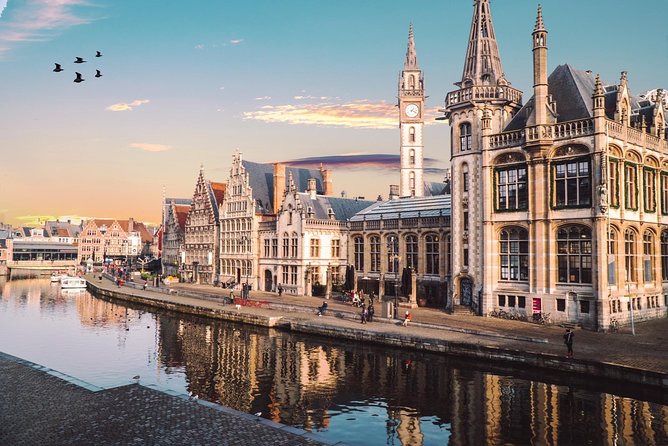
The route continues past Saint Nicholas Church, where the guide notes that Belgian churches also host concerts and other events. The stop is very brief, only about three minutes.
At the Masons’ Guild Hall, you hear what guild houses were and what makes this façade unusual. Korenmarkt follows, with a story about the old post office building. These small stops make the walk more than a procession of famous monuments. They explain how trade, craft, religion, and civic life shaped the center.
Saint Michael’s Bridge is the main photo stop in this part of town. From here, you can take in several towers and the Lys River. The guide also explains the story of Saint Michael’s Church.
The walk then follows the riverbanks at Graslei and Korenlei. The old façades here are among Ghent’s most appealing views. The guide points out buildings such as the Masons’ Guild House and the structure now used as the Marriott Hotel.
This stretch is especially rewarding in good weather, but the paving is hard underfoot. Rain also changes the experience quickly, so wear a waterproof layer and shoes with a good grip. The tour operates in all weather conditions.
Butchers, cuberdons, and Sint-Veerleplein
At the Great Butchers’ Hall, originally a covered market dating from the fifteenth century, the guide explains the building’s former purpose. The group then stops at Kleine Vismarkt, where a traditional market seller introduces cuberdons, Ghent’s famous cone-shaped candy.
This is a quick cultural detail rather than a full tasting session. If you want to buy cuberdons, ask where and when you can do so without missing the group.
The guided walk ends at Sint-Veerleplein. The guide explains the square and its surrounding buildings, then offers suggestions for Belgian beer and souvenirs. You also receive the return instructions for Brussels.
Ghent’s sights are more tightly grouped than Bruges’, which makes the second walking tour feel less scattered. Still, the day is already long by this point, and the same group-management issues apply.
One hour of free time in Ghent
Ghent gives you about one hour alone. That is enough for a drink, a snack, a quick wander along the river, or a few more photographs. It is not enough for a relaxed meal and a major museum visit.
I would save shopping for Bruges if chocolate is your main goal and use Ghent for the riverfront views. If you prefer beer, Sint-Veerleplein is the logical place to follow the guide’s recommendations.
The return arrangement deserves attention. The coach may park away from the old center, and the walk back can take 15 to 20 minutes. One poor experience described the group being told the bus would collect them near the final sightseeing area, only to walk back to the original drop-off point. To avoid this problem, repeat the meeting point to yourself before leaving the group and use a map if needed.
Guides, radios, and group size
The best part of this experience is often the guide. Angie has been praised for a calm, clear style and strong organization. Antonio has been described as funny, friendly, and good at adding unusual facts. Blanca, JC, Juliana, Jorge, Havi, and Oscar have also received warm praise for their explanations and practical recommendations.
That praise comes with an important warning: the guide makes a major difference. A strong guide keeps a large group moving, gives clear directions, and turns short stops into memorable moments. A weaker one may offer only basic facts and leave you feeling that you could have followed a guidebook on your own.
The maximum group size is 45. Some departures have had around 28 people or fewer, which is much easier to manage. Larger groups can split up in crowded streets, especially when the guide stops beside a busy road or at a popular viewpoint.
Radio-guides are sometimes required by Belgian regulations. You may use your own wired earphones with a 3.5 mm jack, but wireless headphones are not suitable. Disposable headphones cost €1. Static has been a problem on some departures, so keep close enough to hear the guide directly and ask for directions when the group turns.
Is $56.72 a fair price?
At $56.72, the price is reasonable if you value convenience. You are paying for a full-day coach, air conditioning, an English-speaking guide, two guided walking tours, and the ability to see both cities without arranging transport.
The value drops if you want long museum visits, leisurely meals, or independent exploration. Train travel could offer more freedom, but you would need to organize the route and keep a close eye on the timetable. This package is buying simplicity, not depth.
Food, drinks, attraction admission, and headphones are extra. Bring euros for small purchases, especially the €1 headset option, snacks, and chocolate. The guide can point you toward places to eat, but the short free periods mean you should not spend too long deciding.
Who should book this day trip?
I would choose this tour if you have only a short stay in Brussels and want a first look at both Bruges and Ghent. It also suits you if you prefer a guide to handle transport and explain what you are seeing as you walk.
It is a good fit for active people who can manage a full day on foot. Families with very young children should note that children under two must use a car seat on the bus, and the family must bring the correct seat.
I would choose a slower, single-city visit instead if you want to linger over art, sit down for a long Belgian lunch, or explore side streets without watching the time. Bruges alone can fill a day, and Ghent deserves more than a hurried hour if you want its museums and nightlife.
Final verdict: book it for coverage, not leisurely discovery
Book this Bruges and Ghent day trip if your priority is seeing the highlights efficiently. The route covers the major squares, churches, bridges, guild houses, riverfronts, and famous viewpoints, and a good guide can add welcome context and useful food tips.
Skip it if crowded groups, fixed schedules, or long walks frustrate you. Before booking, accept three facts: Bruges will probably feel too short, Ghent’s free time is brief, and the quality of the day depends on the guide and radio system.
For many people, the convenience and low price make the compromise worthwhile. Wear sturdy shoes, bring a rain layer, carry wired earphones, confirm every meeting point, and decide in advance how you will spend your limited free time. That preparation can turn a rushed day into a very good introduction to two remarkable Belgian cities.
FAQ
Where does the tour start?
The tour starts at Carrefour de l’Europe, Carr de l’Europe, 1000 Brussels, Belgium, at 8:30 am.
How long does the experience last?
The full experience lasts approximately ten hours and ends back at the starting meeting point.
Are Bruges and Ghent both included?
Yes. The tour includes guided walking tours in both Bruges and Ghent, plus free time in each city.
How much free time do I get in Bruges?
You should expect roughly one hour to one and a half hours in Bruges. The exact amount depends on traffic and the pace of the group.
How much free time do I get in Ghent?
Ghent includes approximately one hour of free time, depending on traffic and the group’s pace.
Are meals and drinks included?
No. Food and drinks are not included, though the guide can recommend places to eat and drink.
Do I need to bring headphones?
You may need headphones because Belgian regulations sometimes require radio-guides. You can bring wired earphones with a 3.5 mm jack, or buy disposable headphones for €1. Wireless headphones are not suitable.
Just added in Brussels
- Transfer from BRU Airport to Brussels city (any hotel or address)★ 5.0 · 1 review
- Standard vehicle from Brussels airport to city of Antwerp★ 5.0 · 4 reviews
- Standard Minivan from Brussels airport to city of Antwerp★ 5.0 · 1 review
- Private transfer from BRU Airport – Brussels GO BACK MB V-CLASS 7 PAX★ 5.0 · 2 reviews
- Private transfer from Brussels Airport to Brussels city Business car★ 5.0 · 1 review
- Transfer Brussels Airport -> Antwerp MB V-CLASS 7 PAX★ 5.0 · 1 review
- Private transfer from BRU Airport to Bruges with Mercedes V class 7 pax★ 5.0 · 1 review
- Private transfer from BRU Airport to Bruges with luxury limousine 3 pax★ 5.0 · 1 review
Bruges and Ghent Day Trips, compared.
From Brussels: Guided Day Trip to Bruges and Ghent
Read our review →
Bruges and Ghent – Belgium’s Fairytale Cities – from Brussels
Read our review →
Excursion to Bruges and Ghent by bus from Brussels
Read our review →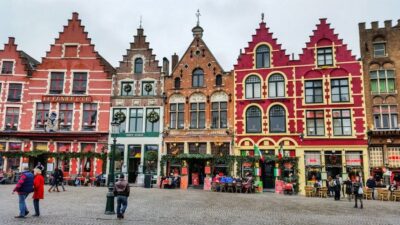
From Brussels: Bruges and Ghent Full-Day Trip by Train
Read our review →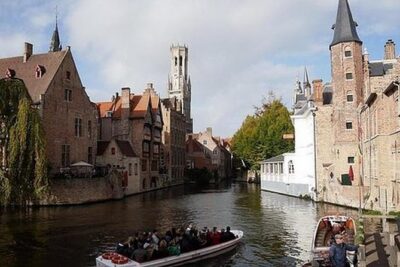
Private Tour: Ghent and Bruges From Brussels Full Day
Read our review →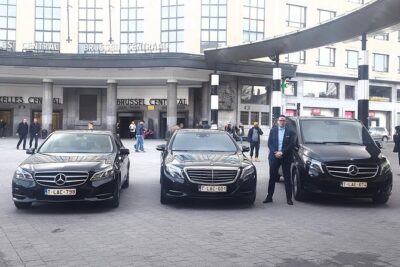
Private tour : Treasures of Flanders Ghent and Bruges from Brussels Full day
Read our review →Private Tour: Ghent and Bruges From Brussels Full Day
Read our review →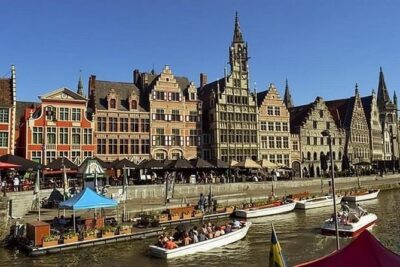
Best Of Bruges and Ghent Private Tour from Brussels
Read our review →Browse the lists this tour appears in