Reviewed · BRUSSELS TOURS
Brussels, 1000 Years of Struggles
Brussels has a rebellious side. This two-hour walking tour through the Marolles district looks at the local fights, protests, and social changes that shaped one of the city’s most distinctive neighborhoods. I like its focus on ordinary people and real urban conflict, and I like the playful approach to serious subjects. The main drawback is the unclear payment setup: the listed price is about $3.53, but you may need to pay an additional amount at the end, so bring cash.
The tour is led in English or French, and guide Simon received especially strong praise for making the stories engaging. I also appreciate that the route mixes well-known places with small alleys and dead ends. This is not a standard monument walk. It is better suited to you if you want local history, social movements, and a closer look at how a neighborhood changes.
In This Review
- Key points about Brussels, 1000 Years of Struggles
- Why the Marolles makes a strong setting
- Following the route through narrow streets and dead ends
- The 1969 Battle of the Marolles
- The 1989 Mattress War and unusual protest stories
- Gentrification and the changing Marolles
- A playful guide can change the experience
- What the very low price really means
- Who should book this Marolles walk?
- Booking tips for a smoother visit
- Final verdict: a smart choice for curious walkers
- FAQ
- How long does Brussels, 1000 Years of Struggles last?
- Where does the tour meet?
- What languages are available?
- What does the price include?
- Can I cancel the tour for a refund?
- Is there any payment besides the advertised price?
Key points about Brussels, 1000 Years of Struggles
- The Marolles is the main character: You explore Brussels through one neighborhood’s fights over homes, identity, and change.
- The 1969 Battle of the Marolles: This important local struggle gives the tour a clear look at how residents pushed back against major change.
- The 1989 Mattress War: One of the tour’s most unusual stories, showing that social protest can be as inventive as it is serious.
- Small lanes matter: The route includes lesser-known alleys and dead ends, not just the obvious streets.
- Simon has earned special praise: His lively, engaging style can make complex social history easier to follow.
- Check the final cost: The advertised price is very low, but an additional payment may be requested at the end.
Why the Marolles makes a strong setting
The Marolles is an ideal place for a tour about social struggle because the neighborhood’s story is not limited to grand buildings or famous political figures. Here, the focus is on residents, communities, and the pressure that city change can place on local life.
That gives the walk a useful human scale. Instead of hearing only about Brussels as Belgium’s capital, you get a closer look at how decisions affect one district. The tour presents the Marolles as a place where people have had to defend their homes, their customs, and their right to shape the neighborhood around them.
The title refers to 1000 years of struggles, but the available details point to a tour that covers both older events and more recent conflicts. You should not expect a strict year-by-year lecture. The format is playful and story-driven, with anecdotes that connect different periods of the district’s past.
That approach should appeal to you if you like history with a bit of humor. It also means the tour may be less satisfying if you want a formal architectural survey or a complete chronology of Brussels.
More things to do in Brussels:
- Brussels: Atomium Entry Ticket with Design Museum Ticket
★ 4.4 · 9,254 reviews - From Brussels: Guided Day Trip to Bruges and Ghent
★ 4.6 · 8,353 reviews - From Brussels: Bruges & Ghent Day Tour – 2 Fairytale Cities
★ 4.7 · 8,242 reviews
Following the route through narrow streets and dead ends
The walk crosses the Marolles rather than staying on one single street. Along the way, you pass some of the district’s important places and then turn into lesser-known alleys and dead ends.
Those smaller spaces are a real strength. They help you see the neighborhood as a lived-in place rather than a collection of sights on a sightseeing checklist. A dead end may not have the visual drama of a major square, but it can help explain how tightly connected the district’s streets and communities are.
The route’s exact meeting point can change depending on the option booked. Check the details for your selected departure before setting out. The tour lasts two hours, so you get enough time for several stories without committing half a day to the activity.
I would wear comfortable shoes and expect a walking tour rather than a seated history talk. Food and drinks are not included, and there is no pickup service. Plan to arrive at the meeting point independently.
The 1969 Battle of the Marolles
The Battle of the Marolles in 1969 is one of the central stories on this walk. Its importance is not just the date. The event shows the kind of pressure that can trigger a neighborhood to organize and resist.
The tour uses this episode to show how the Marolles became associated with local opposition. You hear about a social struggle rooted in the district itself, rather than a distant national political event. That focus can make the story easier to understand because the setting is right in front of you.
I like this part of the experience because it gives the neighborhood a strong sense of identity. The Marolles is not presented as a passive backdrop to Brussels history. Its residents appear as active participants who helped decide what would happen to their community.
The tour’s humorous style may also make a complicated conflict more approachable. You still get a serious subject, but the presentation is designed to keep the walk lively. If you prefer a very solemn treatment of social history, that tone may not suit you at every moment.
The 1989 Mattress War and unusual protest stories
The Mattress War of 1989 is another featured episode, and even the name tells you that this is not a routine history walk. It offers the kind of memorable detail that helps a local story stick in your mind long after the tour ends.
The point is not simply to collect amusing anecdotes. The story shows how protest can use symbols, humor, and inventive public action. That makes the tour different from a standard account of streets, dates, and famous buildings.
I find unusual episodes like this especially useful when visiting a city. A large amount of historical information can blur together, but a distinctive event gives you something concrete to remember. It also helps explain the character of the Marolles as a neighborhood with a strong tradition of resistance.
The tour links these episodes to the wider question of social change. You are not only hearing about past disputes. You are also considering what happens when a district changes economically and socially.
A completely different kind of day:
- Choco-Story Brussels: Chocolate Museum Entrance with Tasting
★ 4.3 · 4,883 reviews - Bruges and Ghent – Belgium’s Fairytale Cities – from Brussels
★ 4.0 · 4,809 reviews - Brussels: Hop-On Hop-Off Bus Tour
★ 4.0 · 4,016 reviews - Brussels: Entry Ticket to Mini-Europe
★ 4.5 · 2,870 reviews
Gentrification and the changing Marolles
One of the most useful themes is gentrification. The tour presents it as a socioeconomic change that can reshape a neighborhood when wealthier residents move in.
That subject matters because it connects the Marolles to a question found in cities across Europe. New residents, rising interest, and changing property values can bring investment, but they can also put pressure on long-standing communities. The tour gives you a way to think about that process in relation to the streets you are walking through.
The discussion should appeal to you if you are interested in urban change, housing, and social movements. It is also a good choice if you have already seen Brussels’s main sights and want to understand a local issue rather than simply take more photographs.
Keep your expectations measured. The information provided does not give a full list of every stop or explain how much time is spent on each period. You should see the route as a guided set of stories about the Marolles, not as a detailed academic course on urban policy.
A playful guide can change the experience
The tour is described as funny and interactive, and that tone is important. Social conflict can become dry when it is presented only through dates and official language. A playful guide can make the issues easier to grasp while keeping the group involved.
Simon is the guide specifically praised for an engaging presentation. If your tour is led by him, you can expect a strong storytelling element. His approach appears to be one of the experience’s biggest strengths, especially for visitors who want local history delivered with personality.
The language options are English and French. That makes the tour practical for many international visitors, but you should select the language that lets you follow subtle jokes and historical explanations most easily.
Because there are only four published ratings, I would treat the 4.4 overall score as encouraging but not conclusive. The available feedback is strongly positive about the content and guide, yet the small number of ratings means you should still book based on your own interests.
What the very low price really means
At about $3.53 per person, the price looks almost too good to be true for a two-hour guided walk. Even with a modest extra payment, it can offer excellent value if you enjoy neighborhood history and stories that are not part of a standard city tour.
There is one important catch. A French-language review explains that the site did not make clear that an additional payment was expected at the end. The exact extra amount is not stated here, so I would not assume that the displayed price is the complete final cost.
Bring cash. That simple step avoids an awkward finish, especially if you have planned your budget down to the last euro. It is also wise to check the current booking details before you go and confirm how the payment works for your chosen option.
The tour includes the guided walk only. You pay separately for drinks and food, and transportation to the meeting point is your responsibility. For a two-hour activity, these are minor costs, but they matter when comparing it with a fully packaged excursion.
Who should book this Marolles walk?
I would choose this tour if you enjoy:
- Local stories instead of only famous landmarks
- Social history and neighborhood politics
- Urban change, housing, and gentrification
- Guides who use humor and anecdotes
- Walking routes that include small alleys and less familiar corners
- A short activity that fits easily into a Brussels itinerary
It is especially suitable after you have seen the city center and want a different view of Brussels. The Marolles offers a change of pace from grand institutions and monumental architecture.
You may want another tour if your main goal is Belgian art, medieval buildings, chocolate, beer, or a broad introduction to Brussels. This experience concentrates on one district and its struggles. It is not designed to cover every major attraction in the capital.
Families and mixed groups may enjoy the lively format, but the subject matter centers on social conflict and urban change. The best audience is anyone who wants to think a little while walking, with room for humor along the way.
Booking tips for a smoother visit
The tour runs for two hours, with starting times available according to the selected date. Since the meeting point may vary by option, read the booking information carefully before leaving your hotel.
You can cancel up to 24 hours in advance for a full refund, and the reserve-now, pay-later option lets you hold a place without paying immediately. Those policies are useful if your Brussels schedule is still moving around.
Bring a small amount of cash because of the possible additional payment at the end. Food and drinks are not supplied, so plan a café stop before or after the walk rather than expecting refreshments during it.
The tour is offered in English and French. If you are choosing for a group, make sure everyone can follow the selected language. Much of the value comes from the stories and explanations, not simply from seeing the streets.
Final verdict: a smart choice for curious walkers
I recommend Brussels, 1000 Years of Struggles if you want to understand the Marolles through its conflicts, characters, and local resistance. The 1969 Battle of the Marolles and the 1989 Mattress War give the walk memorable anchors, while the alleys and dead ends add a more intimate feel.
The strongest reasons to book are the unusual subject, the lively storytelling, and the connection between past struggles and present-day gentrification. The main caution is the unclear final price. Bring cash and confirm the payment details before you set out.
For a low-cost, two-hour introduction to one of Brussels’s most rebellious districts, this is a good value. Just do not book it expecting a complete city tour. Book it for stories about people defending a place they call home.
FAQ
How long does Brussels, 1000 Years of Struggles last?
The tour lasts two hours.
Where does the tour meet?
The meeting point may vary depending on the option booked. Check your selected booking details for the exact location.
What languages are available?
The tour is available in English and French.
What does the price include?
The price includes the guided tour. Food, drinks, and pickup are not included.
Can I cancel the tour for a refund?
Yes. You can cancel up to 24 hours in advance for a full refund.
Is there any payment besides the advertised price?
The listed price is about $3.53 per person, but a verified booking review says an additional payment may be requested at the end. The exact amount is not provided, so bring cash and confirm the arrangement before attending.
Just added in Brussels
- Transfer from BRU Airport to Brussels city (any hotel or address)★ 5.0 · 1 review
- Standard vehicle from Brussels airport to city of Antwerp★ 5.0 · 4 reviews
- Standard Minivan from Brussels airport to city of Antwerp★ 5.0 · 1 review
- Private transfer from BRU Airport – Brussels GO BACK MB V-CLASS 7 PAX★ 5.0 · 2 reviews
- Private transfer from Brussels Airport to Brussels city Business car★ 5.0 · 1 review
- Transfer Brussels Airport -> Antwerp MB V-CLASS 7 PAX★ 5.0 · 1 review
- Private transfer from BRU Airport to Bruges with Mercedes V class 7 pax★ 5.0 · 1 review
- Private transfer from BRU Airport to Bruges with luxury limousine 3 pax★ 5.0 · 1 review
Brussels Tours, compared.
Atomium Entry Ticket with Design Museum Ticket
Read our review →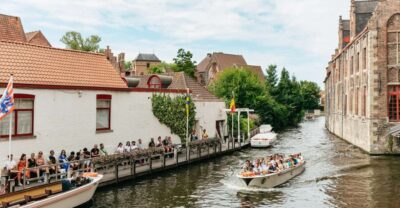
From Brussels: Guided Day Trip to Bruges and Ghent
Read our review →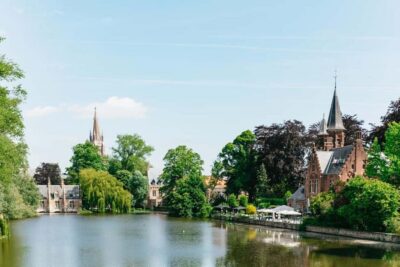
From Brussels: Bruges & Ghent Day Tour – 2 Fairytale Cities
Read our review →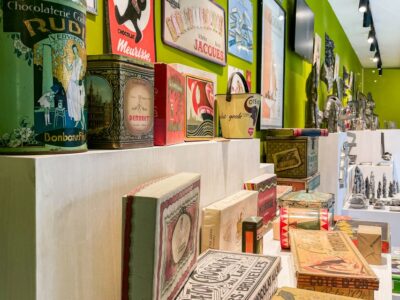
Choco-Story Brussels: Chocolate Museum Entrance with Tasting
Read our review →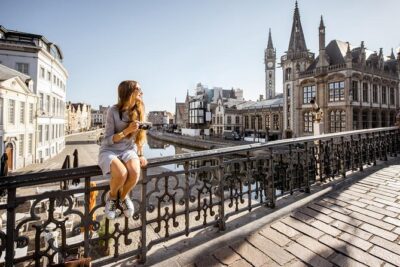
Bruges and Ghent – Belgium’s Fairytale Cities – from Brussels
Read our review →