
Reviewed · BELGIAN CHOCOLATE TASTINGS
Choco-Story Brussels: Chocolate Museum Entrance with Tasting
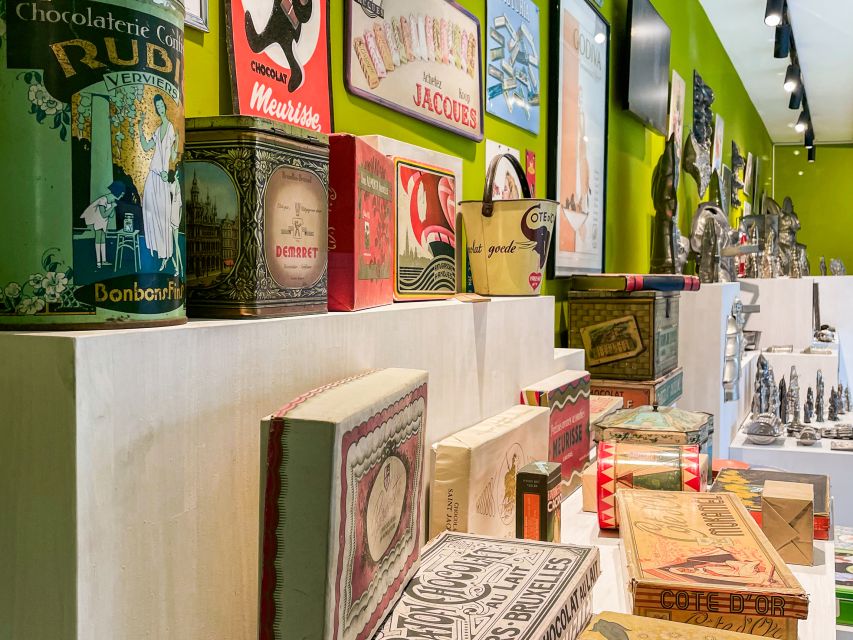
Chocolate has a surprisingly long story. Choco-Story Brussels makes it tasty, easy to follow, and friendly for families, with cocoa’s Aztec roots, Belgian pralines, interactive displays, and a live chocolate demonstration. I especially like the clear multilingual audioguide and the chance to taste the praline made in front of you. The main drawback is space: the museum and demonstration room can feel crowded, and a self-guided visit means you cannot stop a guide to ask questions.
I also like the balance between learning and eating. You are not simply shown glass cases and old equipment. You get short films, games, historical objects, chocolate samples, and a working chocolatier. At $18 per person, it is a fair-value indoor activity in central Brussels, especially if you spend about an hour and a half taking your time.
In This Review
- Key points to know before you go
- Starting with cocoa at Rue de l’étuve 41
- From Aztec cocoa to European chocolate
- Interactive exhibits that keep the visit moving
- Tasting the way through the museum
- The praline demonstration is the highlight
- How long should you allow?
- Is $18 a good price?
- Who will enjoy Choco-Story Brussels?
- Useful planning tips for your visit
- Choco-Story Brussels compared with a regular chocolate shop
- Should you book Choco-Story Brussels?
- FAQ
- Where is Choco-Story Brussels located?
- How much does admission cost?
- Is the visit guided by a person?
- What languages are available on the audioguide?
- Are tastings included?
- Do I get to make chocolate myself?
- Is Choco-Story Brussels wheelchair accessible?
- Can I cancel for a refund?
Key points to know before you go
- The visit begins with chocolate in hand: You receive a welcome sample before starting the self-guided route.
- The audioguide sets your own pace: You can listen in your language and move through the exhibits without staying with a fixed group.
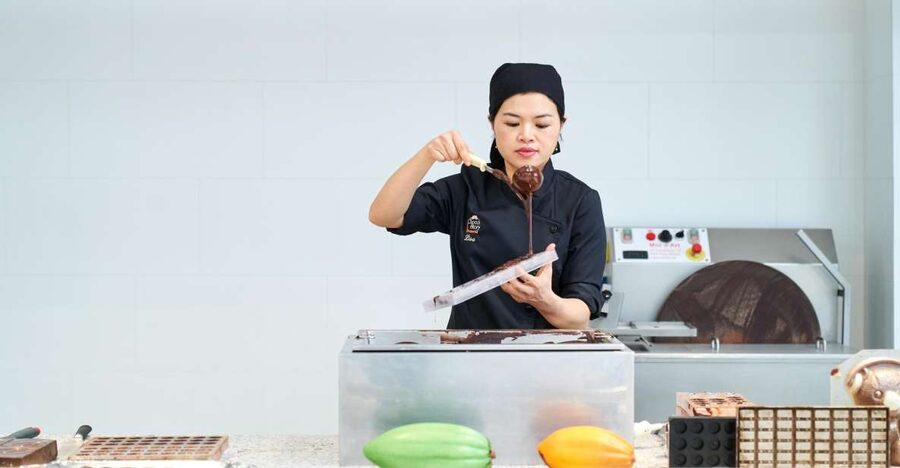
- The praline demonstration is the main event: A chocolatier shows how Belgian pralines are made, then you taste the fresh result.
- The museum suits children and adults: Interactive games add variety to the historical displays and audio commentary.
- The demonstration room may be crowded: Arrive early, and try to position yourself near the front if seeing the chocolatier clearly matters to you.
- The location is handy for a Brussels sightseeing day: Choco-Story Brussels is at Rue de l’étuve 41, 1000 Brussels, close to the city’s central attractions and shopping streets.
Starting with cocoa at Rue de l’étuve 41
Choco-Story Brussels is in the heart of the city, so it fits neatly between other central Brussels sights. You can make it a short stop during a day of sightseeing or use it as a pleasant indoor break when the weather turns cold or hot.
At the entrance, staff provide an audioguide and a welcome tasting. The device is designed to be simple to use, and one visitor described it as looking like a chocolate bar, a small detail that helps make the experience feel playful from the start.
The visit is self-guided. That matters because you can pause at displays, skip material that does not interest you, or spend extra time with the interactive parts. It also means you should not arrive expecting a traditional walking tour led by a person. The instructors speak French, Dutch, and English, but the main museum commentary comes through the audio system.
The published information says the audioguide is available in 11 languages. The named options include Dutch, French, English, German, Spanish, Italian, Russian, and Chinese, and Arabic is also noted as an available option. Because the language details are presented slightly differently in the activity information, check your preferred language when booking.
More Belgian Chocolate Tastings in Brussels
- Hungry Mary’s Famous Beer and Chocolate Tour in Brussels
★ 5.0 · 2,258 reviews - Brussels: Belgian Chocolate Making Workshop with Tastings
★ 4.7 · 1,629 reviews - Brussels: 2.5-Hour Chocolate Museum Visit with Workshop
★ 4.6 · 1,263 reviews
From Aztec cocoa to European chocolate
The first part explains where cocoa began and why it mattered long before Belgium became famous for pralines. You learn about the Aztecs, who treated cocoa as a sacred gift from the gods, before following the ingredient across the Atlantic and into European food culture.
This section gives chocolate some useful context. Cocoa did not simply appear as a finished bar in a Belgian shop. It had to be cultivated, harvested, transported, processed, and changed to suit European tastes.
The displays cover cocoa growing and harvesting, then show how the beans are transformed. Historical objects, short films, and audio explanations keep the subject moving. There is a good amount of information here, so you should not rush through it if you want to understand the production process.
I like that the museum treats chocolate as both a food and a cultural story. You see how cocoa moved from a ceremonial ingredient to a product traded and enjoyed around the world. The presentation is accessible, though some people may find there is more audio content than expected for a small museum.
Interactive exhibits that keep the visit moving
A museum about chocolate could easily become a slow walk past display cases. This one adds interactive games and visual elements, which make it more appealing for children and give adults a break from listening.
The activities are not just decoration. They help explain the process in a more direct way, especially for younger visitors who may not want to stand still for a long historical talk. A 10-year-old was reported to have enjoyed the visit, and families with very young children also found the audio settings easy to use.
The self-paced format works well for mixed groups. One person can listen to a longer explanation while another looks at an object or plays a game. If you are visiting alone, the route is also comfortable because you do not need to keep up with a group.
There is one tradeoff. The museum is relatively small, and noise can build when several people use the audio devices and gather in the same rooms. Some visitors wished the museum supplied headphones or earphones to cut down on background sound. Bring patience if you are visiting at a busy time.
Tasting the way through the museum
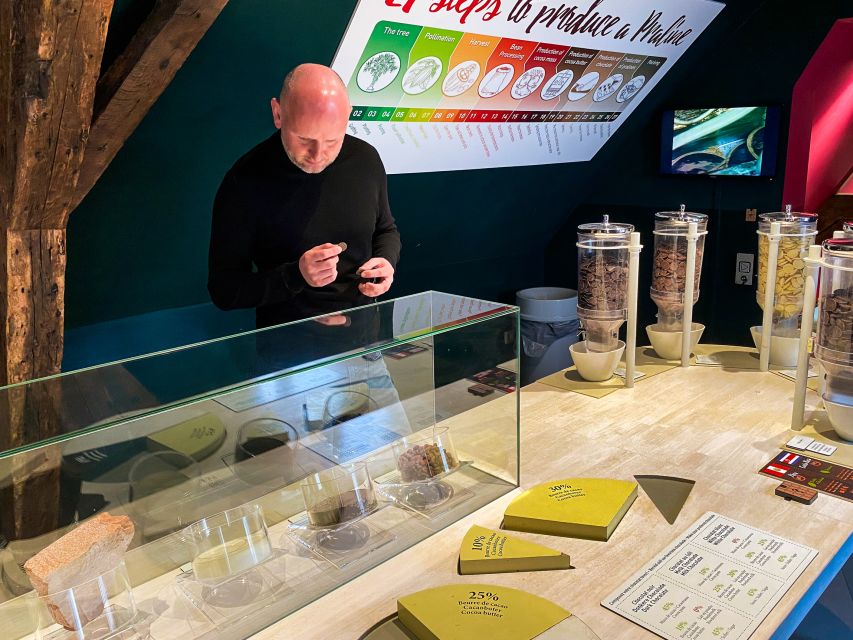
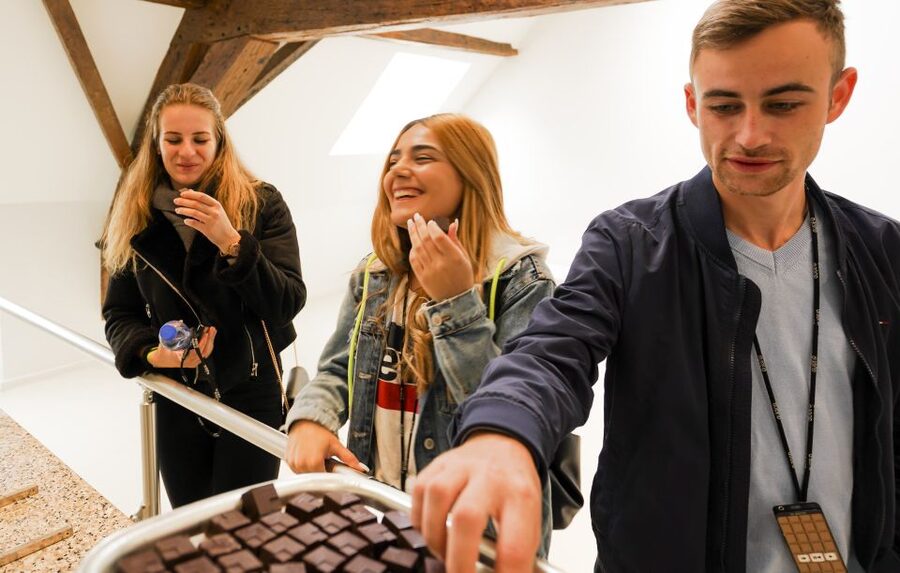
The tastings are a central part of the experience, not a token piece of chocolate placed in your hand at the exit. You receive a welcome sample, encounter additional tastings along the route, and get a praline after the live demonstration.
The exact amount may depend on the day and the setup. Some people found there was plenty to try, while another wished there were more tasting stations. It is best to think of the samples as a way to connect the exhibits with your senses, not as a replacement for a meal or a full chocolate workshop.
The variety helps you notice that chocolate is not one single flavor. You can compare different types and see how the museum’s explanations about cocoa and production affect what you taste. The samples also make the historical material easier to remember. It is one thing to hear about chocolate processing, and another to taste the finished product immediately afterward.
The tasting is especially effective for children because it gives them something to look forward to as they move through the museum. Adults with a serious interest in Belgian chocolate may want more detailed flavor instruction, but the activity remains pleasant and generous for an entrance ticket.
More Museum Tours in Brussels
- Brussels: Atomium Entry Ticket with Design Museum Ticket
★ 4.4 · 9,254 reviews - Brussels: The World of Banksy Museum Permanent Exhibition
★ 4.7 · 636 reviews - Brussels: Train World Museum Entrance Ticket
★ 4.7 · 524 reviews - Choco-Story: The Chocolate Museum in Brussels
★ 4.0 · 324 reviews
The praline demonstration is the highlight

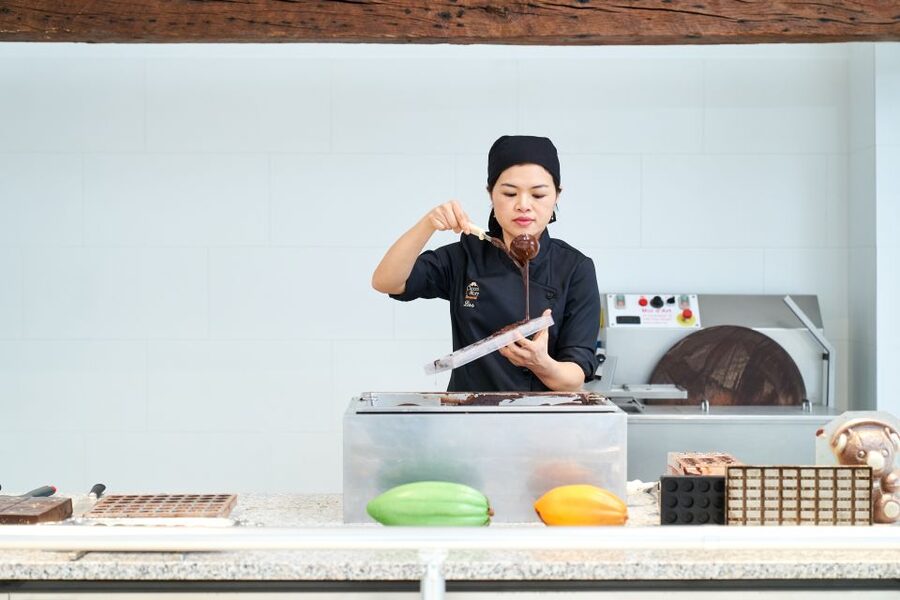
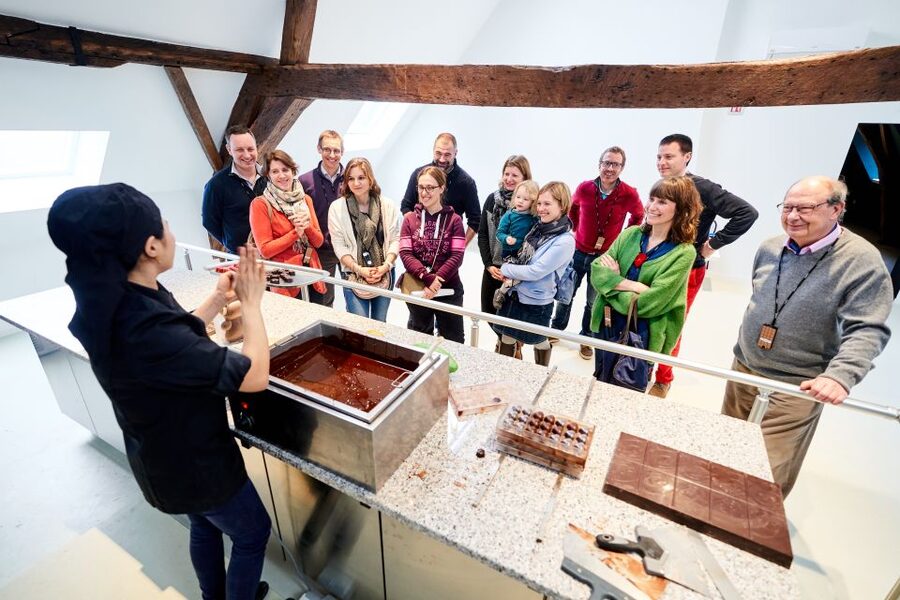
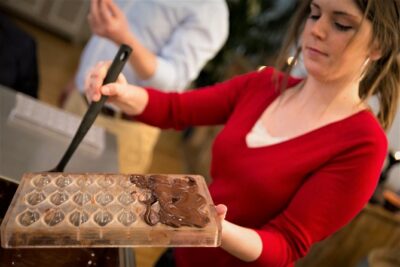
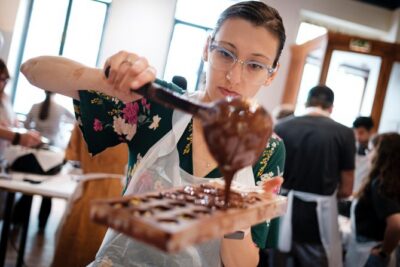
The live chocolatier demonstration is where the museum becomes more than a collection of exhibits. You watch smooth chocolate being worked into a Belgian praline using traditional techniques, then taste the piece made during the demonstration.
The presentation is designed to entertain as well as explain. Chocolatiers such as Gregory and Luisa have been praised for keeping the audience engaged, and the demonstration can be funny as well as informative. The demonstrator explains the work while showing it, so you get a practical look at how a polished chocolate product is made.
This is the moment to pay attention to the difference between the finished praline and the raw ingredients discussed earlier. The earlier galleries explain cocoa cultivation and transformation. Here, you see the final craft in action, with timing, texture, and presentation all playing a role.
The main weakness is the room itself. Several people found the demonstration area too crowded, with poor views from the back. If you are shorter, stand near the front or arrive early. A screen is available, but it may not help if people stand in front of it. Noise from conversations can also make the presenter difficult to hear.
The demonstration is not a hands-on chocolate-making class. You watch the chocolatier rather than make your own pralines. If you want to temper chocolate yourself, this is not the right activity. If you want a short, entertaining look at professional technique followed by a taste, it does the job well.
How long should you allow?
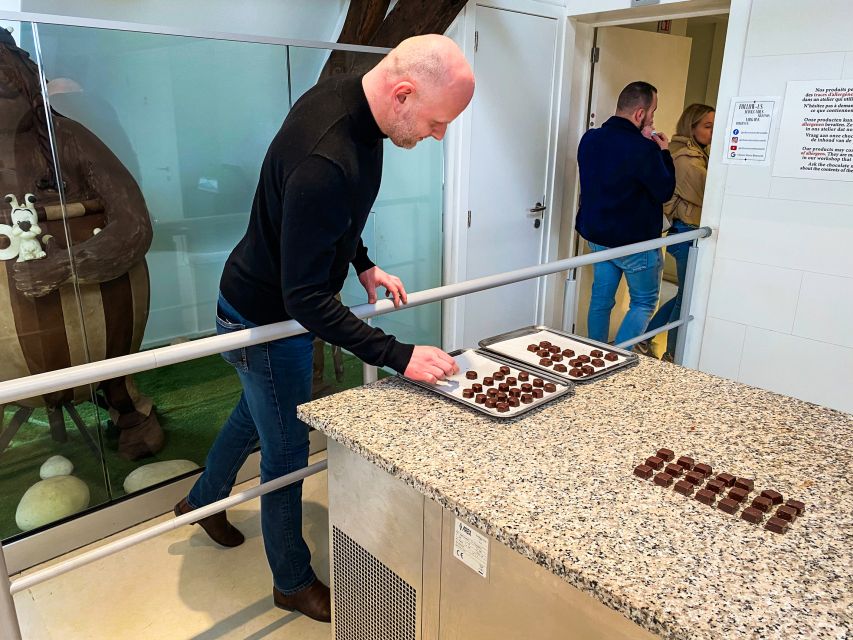
The activity is listed with a one-day duration, but that refers to the booking period rather than the time you will spend inside. In practical terms, allow roughly one to two hours, with around an hour and a half being a comfortable pace for the museum, tastings, and demonstration.
Your timing depends on how closely you listen to the audioguide and how long you spend at the interactive displays. A quick visitor can move through faster. Families may need longer because children will want to try the games and pause at the tasting points.
Try to arrive earlier in the day if you want a calmer visit. A morning visit around 10:30 was found to be quiet at first, with more people arriving later. This is useful advice because the museum’s small rooms and demonstration area are the parts most affected by crowds.
Check the demonstration timing when you arrive. The supplied information does not give a fixed public schedule, so you should plan around the available starting time rather than assume the chocolate show happens whenever you walk in.
Is $18 a good price?
At $18 per person, Choco-Story Brussels is reasonably priced for a central Brussels attraction that combines admission, an audioguide, several tastings, and a live demonstration.
The value is strongest if you use the whole visit. Listen to the historical commentary, try the interactive displays, stay for the praline demonstration, and take advantage of the samples. If you only walk through quickly and miss the demonstration, the ticket will feel less worthwhile.
The price also compares well with the format. You are paying for more than a shop visit, but less than a formal chocolate-making workshop. The museum gives you background, visual displays, and a professional demonstration without requiring a half-day commitment.
Families may find the ticket particularly useful because children can take part in the games while adults follow the history. Solo visitors also get a complete activity without needing to join a larger guided group.
There is no meal included, and the samples are modest portions. You are paying for an educational museum visit with chocolate built into it, not an all-you-can-eat tasting tour.
Who will enjoy Choco-Story Brussels?
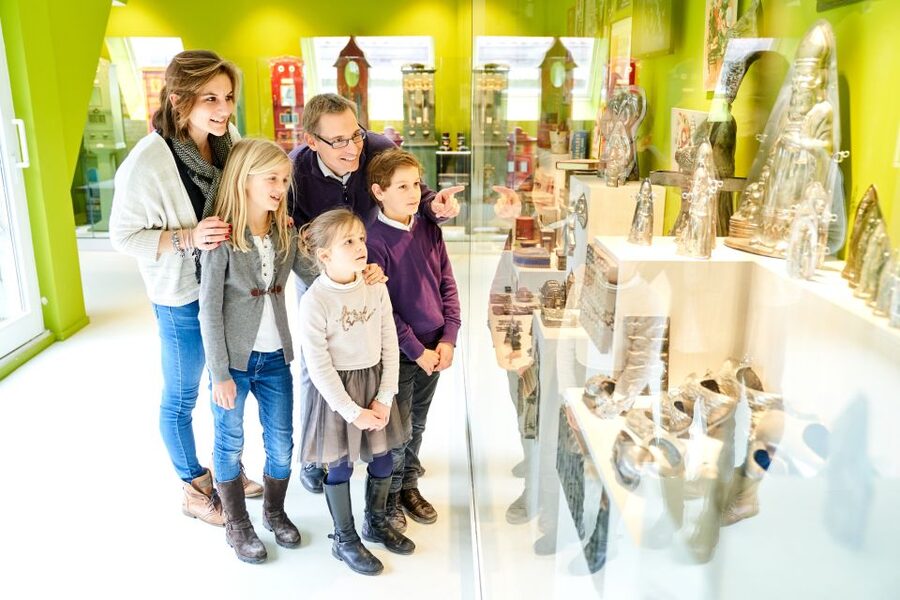
I would recommend this experience to:
- Families looking for an activity that works for children and adults
- First-time visitors who want an introduction to Belgian chocolate
- Chocolate lovers who enjoy tastings but also want historical context
- Solo visitors who prefer moving at their own pace
- Anyone needing an indoor activity near central Brussels
- Visitors who want a shorter attraction that can fit around other sightseeing
It is less suitable if you want a quiet museum with lots of room or a detailed, question-and-answer tour led by a guide. The audioguide is clear and informative, but it cannot respond to a question about cocoa origins, praline techniques, or Belgian chocolate traditions.
It is also not the best choice for someone seeking a full practical workshop. The demonstration is watched rather than performed, and the activity does not say that you make your own pralines.
Useful planning tips for your visit
Book ahead if you want flexibility. The activity allows cancellation up to 24 hours before the visit for a full refund, and you can reserve now and pay later. That is useful when your Brussels plans depend on weather or train schedules.
At the museum, confirm the audio language before you start. The device is easy to use, but it is worth making sure you have selected the language you want before moving into the first room.
If the demonstration is important to you, ask staff about its timing and arrive early enough to claim a good position. The museum is wheelchair accessible, but crowded rooms can still affect how easily you move or see the presentation.
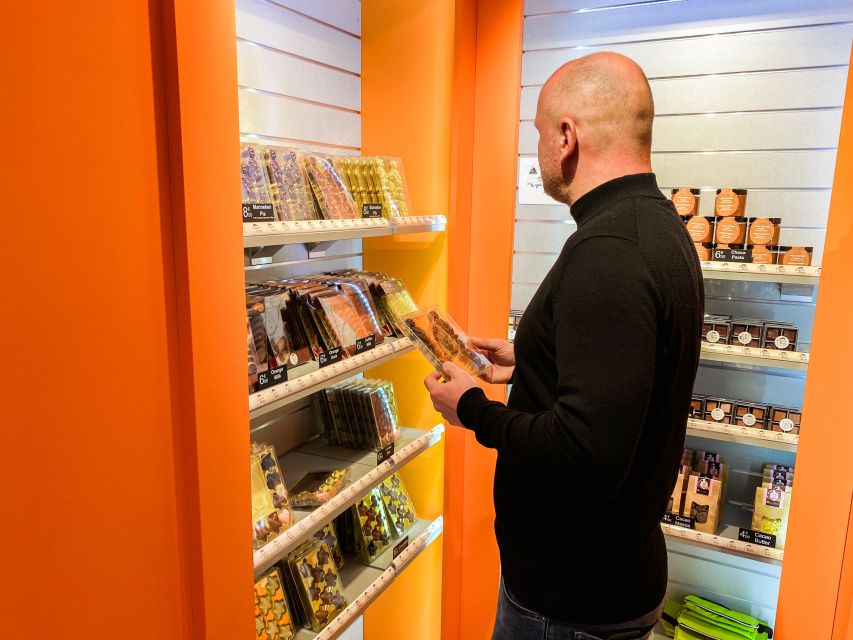
Keep some time for the shop. It sells Belgian chocolate creations that make practical gifts, though you should compare prices and packaging with other chocolate shops in Brussels before buying a large supply. The shop is also a useful final stop because it lets you choose something after learning how the products are made.
Choco-Story Brussels compared with a regular chocolate shop
A chocolate shop gives you the finished product. Choco-Story explains how that product came to exist.
That difference is the main reason to visit. You learn about cocoa cultivation, historic uses, European development, and Belgian praline-making before tasting the result. The experience gives your purchases more meaning, even if you later decide that another shop has the flavor or price you prefer.
The museum also works well as a first introduction. You do not need to know the difference between cocoa and chocolate, or understand how pralines are made, before entering. The audioguide builds the story step by step.
At the same time, do not expect a specialist tasting course. The samples are enjoyable and varied, but the focus is broad education rather than detailed instruction in chocolate origin, aroma, or pairing.
Should you book Choco-Story Brussels?
I would book it if you want an affordable, central Brussels activity with real tastings and a live praline demonstration. The strongest parts are the clear audioguide, the family-friendly interactive displays, and the chance to eat the praline made in front of you.
Go early, listen carefully, and stand near the front for the demonstration. If you dislike crowds or want a personal guide who can answer questions, temper your expectations. For most visitors, though, $18 buys a pleasant hour or two, a useful introduction to cocoa and Belgian chocolate, and enough samples to make the museum feel properly delicious.
FAQ
Where is Choco-Story Brussels located?
Choco-Story Brussels is at Rue de l’étuve 41, 1000 Brussels, in the Brussels Capital Region.
How much does admission cost?
The listed price is $18 per person.
Is the visit guided by a person?
No. The museum visit is self-guided with an audioguide. A master chocolatier gives a live demonstration during the experience.
What languages are available on the audioguide?
The published information says the audioguide is available in 11 languages. Named languages include Dutch, French, English, German, Spanish, Italian, Russian, Chinese, and Arabic is also noted as available. Confirm your preferred option when booking.
Are tastings included?
Yes. Tastings are included, including a welcome sample, additional chocolate samples, and a praline to taste after the demonstration.
Do I get to make chocolate myself?
No. You watch a chocolatier make pralines using traditional techniques. The supplied information does not describe a hands-on chocolate-making class.
Is Choco-Story Brussels wheelchair accessible?
Yes. The activity is listed as wheelchair accessible.
Can I cancel for a refund?
Yes. You can cancel up to 24 hours in advance for a full refund. Reserve-now, pay-later booking is also available.
More Food and Drink Tours in Brussels
- Belgian Beer Tasting in Brussels
★ 5.0 · 1,280 reviews - Brussels: Historical Walking Tour with Chocolate & Waffle Tasting
★ 5.0 · 1,165 reviews - Brussels 2.5-Hour Belgian Beer Tasting Experience
★ 4.7 · 932 reviews - Brussels Walking and Tasting Tour (Beers,Chocolates&Fries/Waffle)
★ 5.0 · 929 reviews
Just added in Brussels
- Transfer from BRU Airport to Brussels city (any hotel or address)★ 5.0 · 1 review
- Standard vehicle from Brussels airport to city of Antwerp★ 5.0 · 4 reviews
- Standard Minivan from Brussels airport to city of Antwerp★ 5.0 · 1 review
- Private transfer from BRU Airport – Brussels GO BACK MB V-CLASS 7 PAX★ 5.0 · 2 reviews
- Private transfer from Brussels Airport to Brussels city Business car★ 5.0 · 1 review
- Transfer Brussels Airport -> Antwerp MB V-CLASS 7 PAX★ 5.0 · 1 review
- Private transfer from BRU Airport to Bruges with Mercedes V class 7 pax★ 5.0 · 1 review
- Private transfer from BRU Airport to Bruges with luxury limousine 3 pax★ 5.0 · 1 review
Belgian Chocolate Tastings, compared.
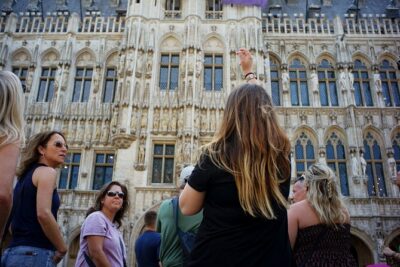
Hungry Mary’s Famous Beer and Chocolate Tour in Brussels
Read our review →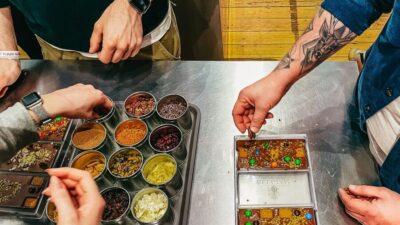
Belgian Chocolate Making Workshop with Tastings
Read our review →
Choco-Story Chocolate Museum Guided Tour w/Tastings
Read our review →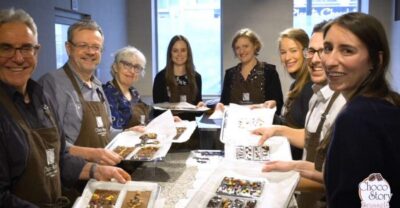
2.5-Hour Chocolate Museum Visit with Workshop
Read our review →
Historical Walking Tour with Chocolate & Waffle Tasting
Read our review →
Browse the lists this tour appears in