
Reviewed · BELGIAN CHOCOLATE TASTINGS
Brussels: Belgian Chocolate Making Workshop with Tastings
Chocolate tastes better when you make it. This 90-minute Brussels workshop takes you from cacao pod to finished treat, with tastings of beans, cacao liquor, and mucilage before you make a bar, mendiants, and truffles. I like the hands-on work and the unusual chance to taste fresh cacao straight from the pod. The main drawback is the $82 price, which may feel high if you mainly want a quick chocolate sample.
I also like the clear bean-to-bar focus. The Belgian Chocolate Makers use their own handcrafted chocolate, not industrial couverture, and explain how cacao from Haiti becomes the chocolate in your hands. Guide Patricia receives especially warm praise for her humor, firm instructions, and ability to keep the class moving. Arrive 15 minutes early, though, because the ticket office closes access once the session begins.
In This Review
- Key things to know before booking
- Starting at Place de la Justice 5
- Inside the 150-square-meter training centre
- Tasting cacao before it becomes chocolate
- Seeing how beans become Belgian chocolate
- Making your own bar, mendiants, and truffles
- What you take home
- Is 90 minutes enough?
- Who will enjoy this workshop most?
- Practical value at $82 per person
- Should you book it?
- FAQ
- Where does the chocolate workshop begin?
- Is the ticket office located inside the workshop?
- How early should I arrive?
- How long does the experience last?
- What languages are available?
- What chocolate will I make?
- Can I take my chocolates home?
- Is an apron provided?
- Can vegans or people who cannot have lactose participate?
- Is the workshop wheelchair accessible?
Key things to know before booking
- You make three types of chocolate: a personalized bar, decorated mendiants, and truffles, and everything you make is yours to take home.
- The tasting goes beyond ordinary chocolate: you may taste a fresh cacao bean, cacao liquor, several origin chocolates, and the juice-like mucilage inside the pod.
- The workshop begins at a ticket office, not the classroom: check in at Place de la Justice 5, then walk about 200 meters to the training centre.
- The chocolate is sourced from Haiti: the company says its cacao comes from small farmers and has a fully traceable supply chain.
- The room is air-conditioned: bring a light layer, as the workspace may feel cold while you are handling chocolate.
- A 20 percent shop discount is included: it applies to the company’s chocolate collection after the class.
Starting at Place de la Justice 5
Your experience begins at The Belgian Chocolate Makers ticket office at Place de la Justice 5, near Brussels Central Station and Mont des Arts. This is an easy spot to add to a day of central Brussels sightseeing, but do not go straight to the workshop expecting to check in there.
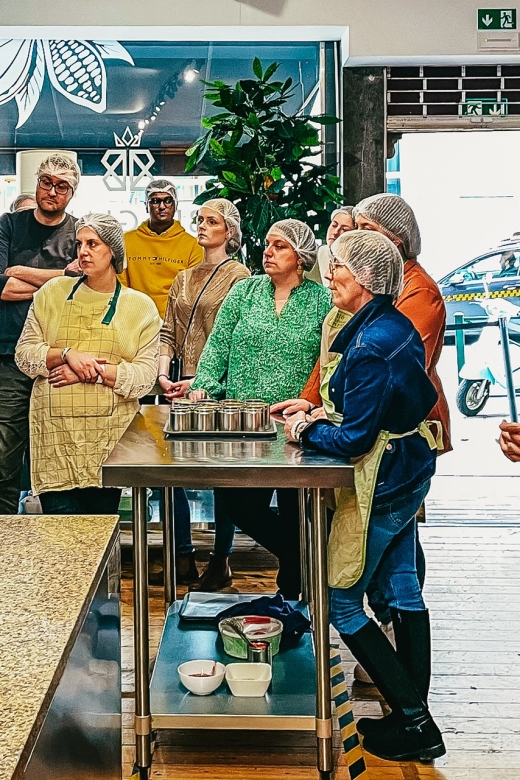
At the desk, staff check your ticket and give you a hairnet and wristband. You then walk with a staff member to the training centre, about 200 meters away. The short transfer is simple, but the arrangement can be confusing if you do not know about it in advance. Allow at least 15 minutes before your scheduled start time, and keep long hair tied back.
The doors close when the activity starts. That rule is strict, so a late arrival can mean missing the workshop entirely. Large bags, luggage, pets, smoking, and outside food or drinks are not allowed, so this works best as a planned stop rather than something squeezed in between train connections.
The activity is offered in English at 11 a.m., 2 p.m., and 5 p.m. The centre can host up to 60 people, although some sessions have been much smaller, with only a few participants or a reported maximum of eight. Your group size may depend on the date and booking level.
More Belgian Chocolate Tastings in Brussels
- Choco-Story Brussels: Chocolate Museum Entrance with Tasting
★ 4.3 · 4,883 reviews - Hungry Mary’s Famous Beer and Chocolate Tour in Brussels
★ 5.0 · 2,258 reviews - Brussels: 2.5-Hour Chocolate Museum Visit with Workshop
★ 4.6 · 1,263 reviews
Inside the 150-square-meter training centre
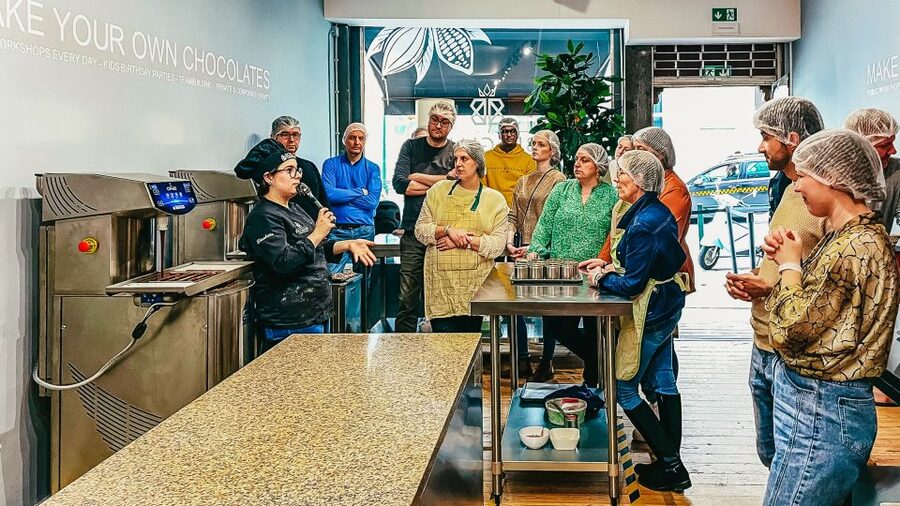
The training centre is a purpose-built, 150-square-meter space with chocolate-making equipment and room for larger groups. It is air-conditioned to keep the chocolate workable, which means you may feel a chill during the class. A sweater is a smart addition, especially in winter.
You wear a hairnet during the activity. Water dispensers and a disabled toilet are available, and the venue is listed as wheelchair accessible. A visitor has noted stairs on the route, so if mobility is a concern, ask the staff at check-in for the clearest information about the exact route and access arrangements.
The room has a practical teaching setup rather than the feel of a grand museum. That is part of the appeal. You are there to work with chocolate, not simply watch a polished demonstration from a distance.
The instructors are working artisan chocolatiers certified by the Federal Belgian government. Patricia is frequently singled out for being funny, direct, patient, and good at explaining the process in clear English. Her style can be a little strict, like a friendly headteacher, but that helps keep several chocolate-making steps organized in a short session.
Tasting cacao before it becomes chocolate
The most unusual part of the workshop comes before the decorating. You handle a fresh cacao pod and taste fresh cacao beans, which are far removed from the sweet chocolate most people associate with Belgium.
A raw cacao bean is very bitter. Around it is the mucilage, a fruity pulp or juice from the cacao pod. Tasting the mucilage gives you a surprising point of comparison: the fresh fruit has a character that is easy to miss once the beans are fermented, roasted, ground, and mixed into chocolate.
You also taste cacao liquor, sometimes called cacao mass. Despite the name, it contains no alcohol. It is ground cacao in a concentrated form and tastes intensely dark and bitter. This tasting helps you understand why chocolate is blended with sugar and other ingredients, and why dark, milk, and white chocolate have such different profiles.
The class includes several premium origin cacaos from different countries, along with chocolate made from Haitian cacao from Grand Anse. The tasting is not just a parade of sweets. It shows how origin and processing affect flavor, and it gives the bean-to-bar explanation a useful purpose.
The company says it works with organic cacao from small farmers, maintains a 100 percent traceable supply chain, and avoids cacao linked to deforestation or child labor. It also says farmers receive a fair level of revenue. Those are important claims for anyone who wants to understand the source of the chocolate, though the workshop presents them as the maker’s own supply-chain standards rather than as a separate farm visit.
Seeing how beans become Belgian chocolate
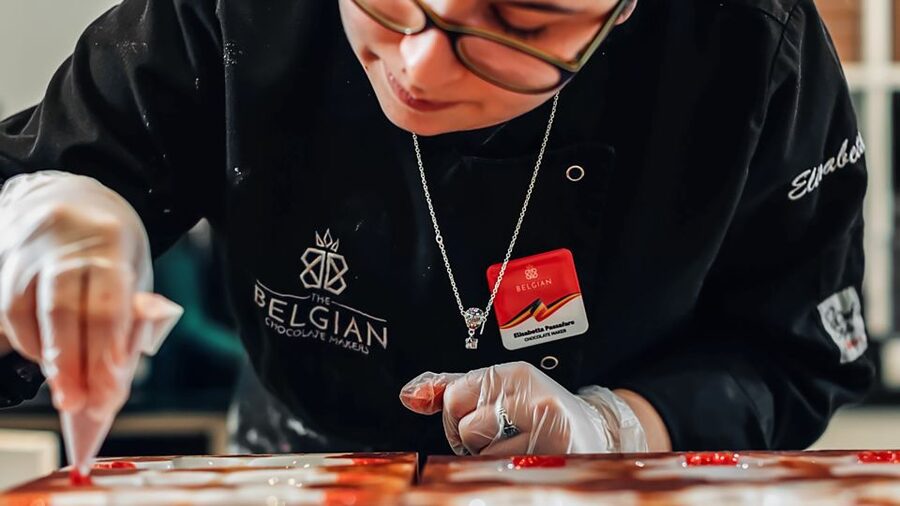
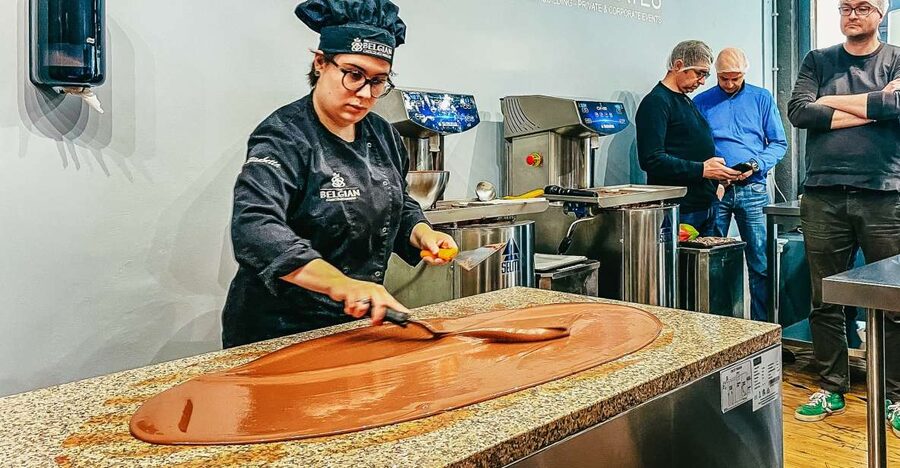
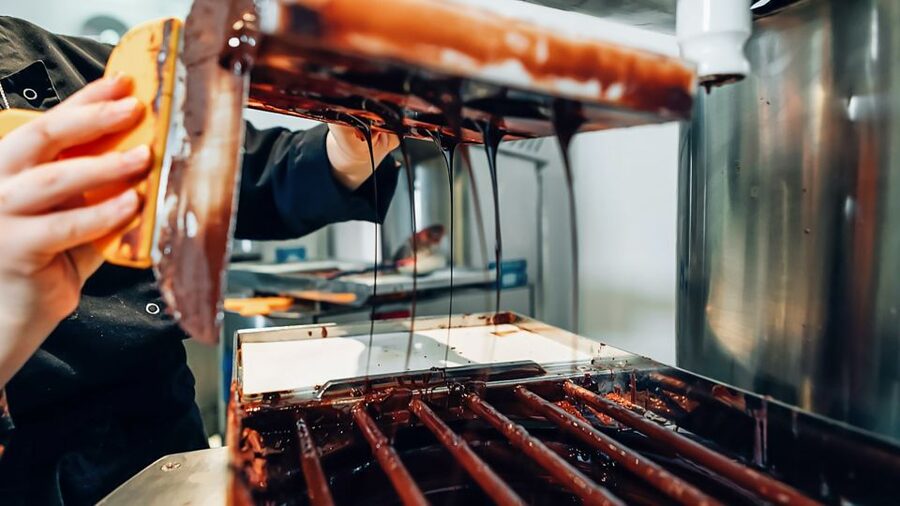
After the tasting, the chocolatier explains the main steps from bean to bar. You learn how cacao moves from fruit to bean, then through the stages that turn it into the smooth chocolate used in the workshop.
The experience includes a visit to the bean-to-bar machinery after the workshop. This gives the process a physical scale. Instead of treating chocolate as a mysterious finished product, you can connect the explanation to the equipment used to process it.
The Belgian Chocolate Makers describe themselves as a true artisan maker rather than part of an industrial group. They also say they are the only certified artisan chocolate maker in Brussels and the only Brussels maker using no industrial chocolate in these workshops. Those distinctions matter if you are choosing between a practical chocolate class and a generic confectionery demonstration.
The workshop uses handcrafted chocolate made from premium cacao. You do not simply decorate pre-made sweets and leave. You work with chocolate produced through the maker’s own stated bean-to-bar approach, then see where that chocolate fits into the larger production chain.
A completely different kind of day:
- Brussels: Atomium Entry Ticket with Design Museum Ticket
★ 4.4 · 9,254 reviews - From Brussels: Guided Day Trip to Bruges and Ghent
★ 4.6 · 8,353 reviews - From Brussels: Bruges & Ghent Day Tour – 2 Fairytale Cities
★ 4.7 · 8,242 reviews - Bruges and Ghent – Belgium’s Fairytale Cities – from Brussels
★ 4.0 · 4,809 reviews
Making your own bar, mendiants, and truffles
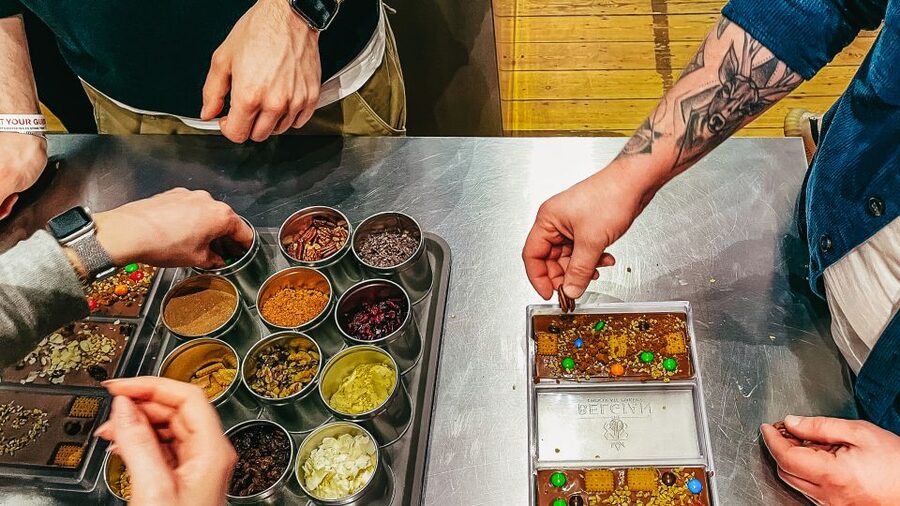
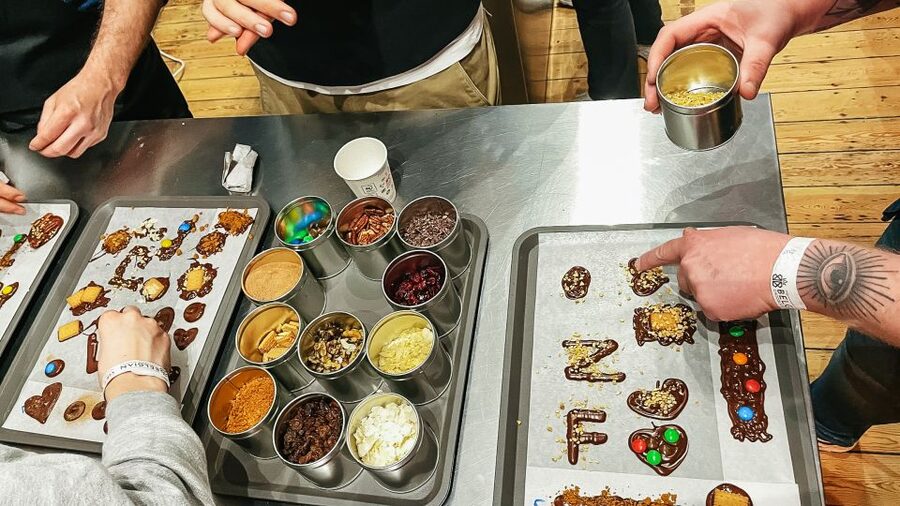
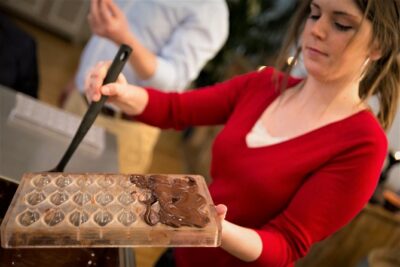
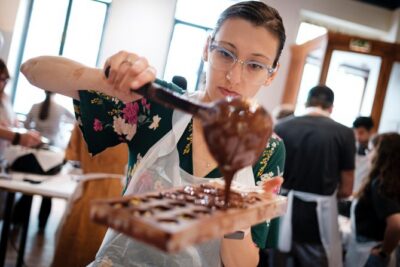
The practical work is the heart of the class. You make a personalized chocolate bar, decorated mendiants, and truffles. Mendiants are small chocolate rounds finished with toppings, while truffles give you a different texture and shape to work with.
Each participant gets a chance to choose toppings for the bar and decorate chocolate pieces. Dark and milk chocolate are available, though anyone who is vegan or lactose intolerant can work only with dark chocolate. Toppings contain nuts, so this is not a suitable activity for people with food allergies.
The class is structured enough to stop your chocolate from becoming a chaotic puddle, but creative enough to let each person produce something personal. Several people have described their finished chocolates as a little ugly but delicious. That is a fair expectation. You are learning and decorating at speed, not competing with the display cases in a Belgian chocolate boutique.
The truffles are another strong point. They give you a separate task from the bar and mendiants, and the session may include coatings such as cocoa powder or coconut. You can expect a good amount of chocolate to take home, not just one small sample.
The instructor demonstrates each stage and then guides you through the work. Patricia’s humor is often as memorable as the recipes, but the jokes do not replace instruction. The best sessions balance explanation, tasting, and making without leaving you standing around.
What you take home
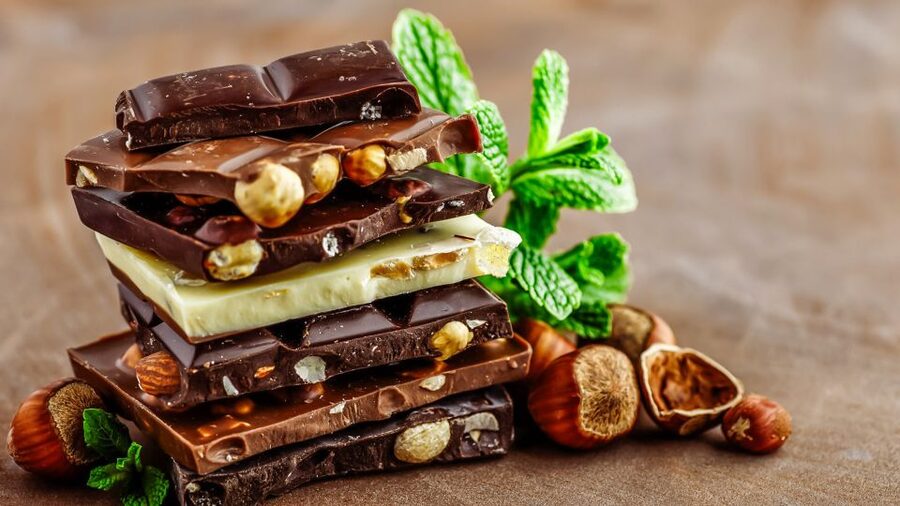
Everything you make during the workshop belongs to you. That usually means a personalized bar, decorated mendiants, and several truffles, packed in a box for the journey back to your hotel or home.
The take-home portion is a major part of the value. At $82 per person, this is not a cheap tasting. You are paying for instruction, premium chocolate, tastings, the use of a professional training space, and a substantial edible souvenir. If you compare it with buying a few bars in a shop, the price looks steep. If you want a guided activity plus chocolate to take away, it makes more sense.
The chocolate may need careful handling after class. The centre is air-conditioned, but Brussels sightseeing can involve time outdoors, and chocolate does not enjoy sitting in a hot bag. Keep the box level and avoid leaving it in direct sun.
You also receive 20 percent off the maker’s chocolate collection in its stores. This improves the value if you planned to buy Belgian chocolate anyway. It is less useful if you are travelling light or have already filled your suitcase with pralines.
A VIP upgrade adds a glass of Champagne, an embroidered apron, and a laboratory visit. The standard experience does not include an apron, so wear clothes you do not mind getting a little messy. The VIP option makes more sense for a special occasion or a gift experience than for someone watching every euro.
Is 90 minutes enough?
The advertised duration is 90 minutes, and the session is tightly organized. You taste, listen, decorate, shape truffles, and pack your chocolates within a compact timetable.
That pace is part of the fun, but it also means this is not a long technical course. You will understand the basic bean-to-bar process and get meaningful practical time, but you will not become a professional chocolatier in one afternoon.
Some descriptions of the experience refer to spending a couple of hours at the venue. The official duration remains 90 minutes, so plan around that figure and allow extra time for the early check-in and short walk from the ticket office.
The timing works well as a break from museums or city sightseeing. A 2 p.m. session is particularly useful in winter, when a warm chocolate activity can replace a cold outdoor stretch. In summer, the included seasonal drink changes from hot chocolate to chocolate granita.
Who will enjoy this workshop most?
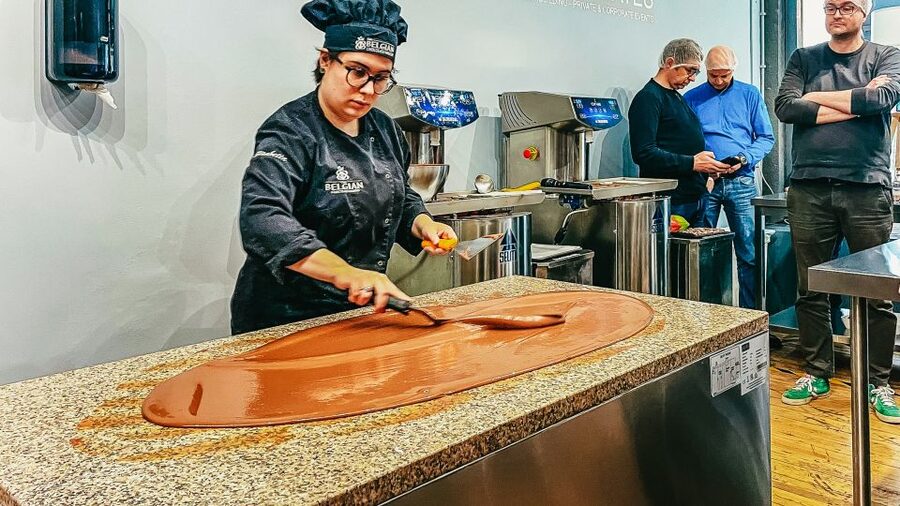
This is a strong choice for chocolate lovers who want to do more than shop. It also suits families with children old enough to follow instructions, couples, solo participants, and groups of friends. Children under six are not admitted, and unaccompanied minors cannot attend.
You do not need prior cooking or chocolate experience. The instructor demonstrates the tasks, and the work is designed for beginners. The class can also work for someone who is not obsessed with chocolate, since the origin tasting and bean-to-bar explanation add an educational side.
Families should note the allergy rules carefully. The experience is listed as unsuitable for people with food allergies, gluten intolerance, and lactose intolerance. The provider says dark chocolate is available for vegan participants and people who cannot have lactose, but toppings contain nuts and the general suitability warning is strict. Tell staff about food intolerances or allergies at check-in.
English is the listed teaching language. Patricia and the other chocolatiers are praised for explaining the process clearly and keeping the mood light. If you prefer a silent, self-guided museum, this is not your activity. You will be listening, working, and following directions throughout.
Practical value at $82 per person
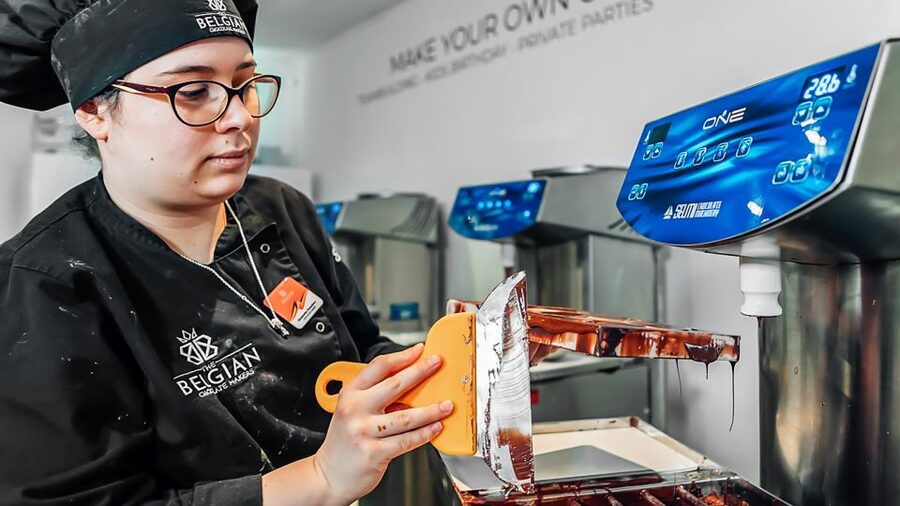
The price is the main point to consider. At $82, this costs more than a simple chocolate tasting or a visit to a shop. It becomes easier to justify because you get several tastings, unusual cacao samples, a guided production explanation, hands-on work, and a box of your own chocolate.
The ethical sourcing message adds value for people who care where cacao comes from. The company says its cacao is organic, traceable, sourced from small farmers, and not connected to deforestation or child labor. You also get to see the company’s machinery and learn how a Brussels artisan maker works.
The value is weaker if you dislike dark chocolate, have food restrictions, or mainly want to watch rather than make. It is also worth checking the final booking price, since some people have found the activity better value when booked at a discount.
For a special birthday, rainy-day plan, family activity, or winter stop, I think the price can work. The combination of education and edible souvenirs gives you more than a standard tasting, but it remains a premium-priced experience.
Should you book it?
Book this workshop if you want an active Brussels experience with plenty of chocolate to carry home. The fresh cacao pod, mucilage, bitter bean, and cacao liquor make it more interesting than a basic praline lesson, while the bar, mendiants, and truffles give you something tangible to do.
I would skip it if you have serious food allergies, need a fully quiet activity, or are looking for the cheapest way to sample Belgian chocolate. For everyone else, arrive early, bring a sweater, tie back long hair, and leave room in your day for a box of handmade sweets.
FAQ
Where does the chocolate workshop begin?
Check in at The Belgian Chocolate Makers ticket office at Place de la Justice 5, near Gare Centrale and Mont des Arts.
Is the ticket office located inside the workshop?
No. After ticket checking, a staff member walks you about 200 meters to the training centre.
How early should I arrive?
Arrive at least 15 minutes before the scheduled start. Check-in closes once the workshop begins, and late arrivals are not accepted.
How long does the experience last?
The workshop lasts 90 minutes.
What languages are available?
The activity is conducted in English.
What chocolate will I make?
You will make a personalized chocolate bar, mendiants, and truffles.
Can I take my chocolates home?
Yes. Everything you make during the workshop is yours, and a box is provided for taking it home.
Is an apron provided?
An apron is included only with the VIP upgrade. The standard experience does not include one.
Can vegans or people who cannot have lactose participate?
Dark chocolate is available for vegan participants and people with lactose intolerance. However, the activity is listed as unsuitable for people with food allergies, gluten intolerance, and lactose intolerance, and toppings contain nuts.
Is the workshop wheelchair accessible?
The activity is listed as wheelchair accessible. The route includes a short walk from the ticket office, and some visitors have noted stairs, so check the access details with staff before starting.
Just added in Brussels
- Transfer from BRU Airport to Brussels city (any hotel or address)★ 5.0 · 1 review
- Standard vehicle from Brussels airport to city of Antwerp★ 5.0 · 4 reviews
- Standard Minivan from Brussels airport to city of Antwerp★ 5.0 · 1 review
- Private transfer from BRU Airport – Brussels GO BACK MB V-CLASS 7 PAX★ 5.0 · 2 reviews
- Private transfer from Brussels Airport to Brussels city Business car★ 5.0 · 1 review
- Transfer Brussels Airport -> Antwerp MB V-CLASS 7 PAX★ 5.0 · 1 review
- Private transfer from BRU Airport to Bruges with Mercedes V class 7 pax★ 5.0 · 1 review
- Private transfer from BRU Airport to Bruges with luxury limousine 3 pax★ 5.0 · 1 review
Belgian Chocolate Tastings, compared.
Choco-Story Brussels: Chocolate Museum Entrance with Tasting
Read our review →
Hungry Mary’s Famous Beer and Chocolate Tour in Brussels
Read our review →
Choco-Story Chocolate Museum Guided Tour w/Tastings
Read our review →
2.5-Hour Chocolate Museum Visit with Workshop
Read our review →
Historical Walking Tour with Chocolate & Waffle Tasting
Read our review →
Browse the lists this tour appears in