
Reviewed · BELGIAN CHOCOLATE TASTINGS
Bruges: Choco-Story Chocolate Museum Guided Tour w/Tastings
Chocolate has a 4,000-year story. At Choco-Story Bruges, you follow that story from the spicy cocoa drink of the Maya and Aztec civilizations to the sweet bars and pralines loved today. I like the clear historical journey and the mix of displays, audio, games, and tasting. I also like that the final demonstration gives the visit a practical payoff.
One point needs explaining: this is not a traditional guided walk with a guide talking beside you throughout. It is mainly an audio-guided museum visit, with a host or greeter at the start and a live chocolate demonstration near the end. Some exhibit numbers are not perfectly ordered, and the route can take a little effort to follow.
In This Review
- Key points to know before you go
- Finding Choco-Story on Wijnzakstraat
- The opening chapters: cocoa before modern chocolate
- From cocoa pod to finished chocolate
- Audio guidance and the museum route
- Interactive displays that work for children
- The chocolate-making demonstration at the end
- Tastings: the sweetest part of the visit
- The gift shop and the temptation to buy more
- Is $16 a fair price for 90 minutes?
- Who should book Choco-Story Bruges?
- My practical verdict
- FAQ
- Where does the Choco-Story Bruges experience start?
- How long does the visit last?
- Is the tour led by a live guide?
- Is an audio guide included?
- Are chocolate tastings included?
- Is the experience suitable for children?
- Is Choco-Story Bruges wheelchair accessible?
- Can I cancel the booking?
Key points to know before you go
- Four thousand years of chocolate: See how cocoa changed from an ancient bitter drink into the chocolate products you know today.
- More than 500 chocolate-related objects: The collection covers tools, packaging, decorations, and objects connected with making and enjoying chocolate.
- Audio guide with a children’s version: You can move at your own pace, and the kid-friendly commentary helps keep younger children involved.
- Live praline demonstration: The final presentation shows how smooth chocolate is handled and finished, followed by a tasting.
- Several tasting moments: Samples may include different types of chocolate, though individual products can occasionally run out.
- Good rainy-day value: At $16 per person for about 90 minutes, this is an easy indoor addition to a day in Bruges.
Finding Choco-Story on Wijnzakstraat
Choco-Story Bruges is at Wijnzakstraat 2, 8000 Bruges, just off the city’s central square area. The activity begins and ends at the museum, so you do not need to arrange transport between different parts of the city.
That central location makes it easy to fit into a walking day. You can visit before or after the Markt and nearby historic streets, or use it as a useful break if the weather turns wet. The experience has a scheduled booking time, but the actual museum visit is self-guided, so you are not tied to a fast-moving group.
Allow about 1.5 hours if you listen to the commentary and take time with the displays. You could move through more quickly, but doing so would mean skipping much of the explanation and the interactive material.
At the entrance, a host or greeter helps you get started. The audio guide is included, with Dutch, English, French, and Spanish specifically listed among the available options. The museum also offers a children’s version, which is a real help for families who want more than a quick look at chocolate cases.
More Belgian Chocolate Tastings in Bruges
- Belgian Chocolate Workshop in Bruges
★ 5.0 · 660 reviews - Bruges: Belgian Praline and Mendiants Chocolate Workshop
★ 4.7 · 620 reviews - Choco-Story: The Chocolate Museum in Bruges
★ 4.0 · 544 reviews
The opening chapters: cocoa before modern chocolate
The museum begins with chocolate’s earliest uses. Cocoa was not always a sweet treat. In Maya and Aztec cultures, it was prepared as a spicy drink, a very different experience from the milk chocolate sold in Belgian shops today.
This opening section gives you a useful correction to the usual chocolate story. Cocoa had cultural and ceremonial importance long before European confectioners began mixing it with sugar. The displays and audio explain how ingredients and preparation methods changed over time.
I like this part because it gives the tasting at the end more meaning. You are not simply eating free samples. You are comparing the modern product with a long chain of changes involving cocoa, sugar, processing, and European taste.
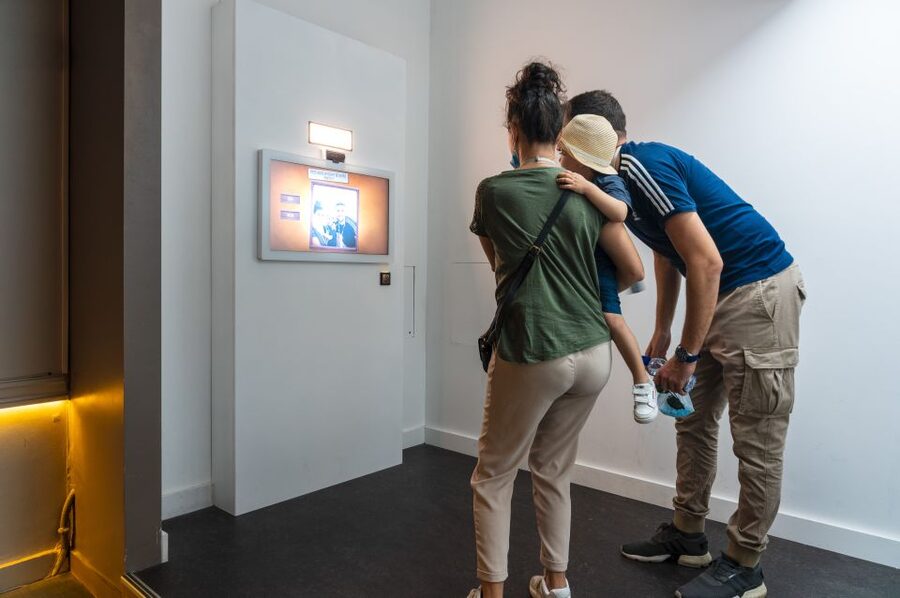
The museum uses words, pictures, objects, and interactive material rather than relying on one long block of text. You can listen to the audio, study the displays, and use small games or activities to check what you have learned. That mix works well for families, but adults who enjoy food history will find plenty of interest too.
The audio format also lets you choose your own pace. If one section catches your attention, you can stay longer. If a display feels less important to you, you can move on without holding up a group.
From cocoa pod to finished chocolate
The next part explains how chocolate is made. You learn about the raw ingredients, the cocoa plant, and the steps that turn cocoa into the smooth chocolate used in bars, pralines, and other sweets.
The museum includes old-fashioned methods alongside newer production techniques. This comparison helps you understand why the final product became smoother and easier to produce. It also shows that chocolate is not simply melted cocoa with sugar added. The texture and flavor depend on several stages of preparation.
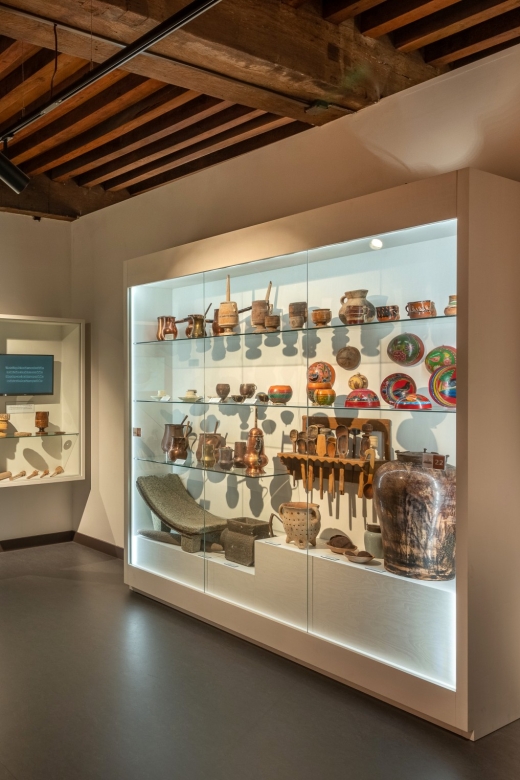
The collection contains more than 500 objects, with the broader museum description referring to almost 1,000 items connected with chocolate. You might see tools, containers, molds, packaging, and other pieces that show how chocolate was made, sold, presented, and consumed over time.
This is one of the stronger parts of the visit because it gives physical form to the story. A picture of a cocoa pod is useful, but old equipment and chocolate-making objects make the production process easier to understand.
The museum also touches on the less comfortable side of chocolate production, including the exploitation of people in cocoa-growing regions. That note matters. A visit focused only on Belgian pralines would leave out an important part of the product’s story. The museum does not treat chocolate as pure sweetness without a human cost.
Audio guidance and the museum route
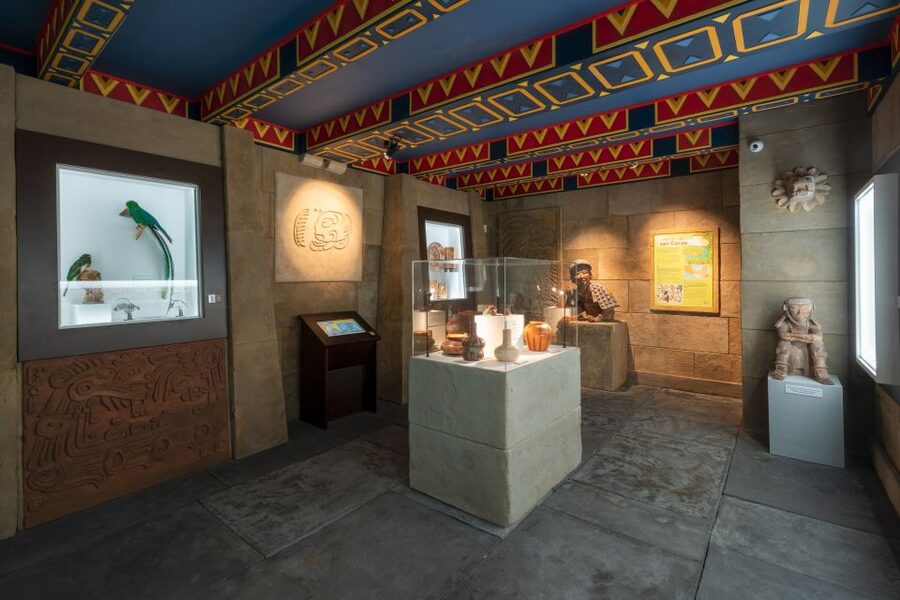
The audio guide is one of the most useful features, especially if your group has different interests. You can listen carefully to the history, move through the displays at your own speed, and use the children’s version for younger family members.
The main weakness is the route signage. Audio points are triggered by numbered squares, but the numbering is not always logical. Some numbers can appear out of sequence, and it may not be obvious at first which direction you should take.
I suggest spending a moment at the start to understand how the route works. Do not rush straight into the first display. If the numbers seem confusing, ask the staff for basic directions before you get too far inside.
This is also why the experience feels different from the phrase guided tour might suggest. You are not following a live guide through every room. The museum supplies the audio device, while the demonstration at the end provides the live element.
That arrangement has advantages. You can pause for photographs, let children try the interactive games, and avoid the pressure of keeping up with a group. The downside is that anyone expecting a personal guide may feel disappointed. If you prefer direct questions and conversation throughout, this format may not be your ideal museum visit.
More Museum Tours in Bruges
- Bruges: Chocolate Making Workshop and Chocolate Museum Entry
★ 4.6 · 395 reviews - Bruges: Musea Brugge Card with Entry to 11 Museums
★ 4.6 · 328 reviews - Bruges: The Beer Experience Museum Entry with Audio Guide
★ 4.4 · 201 reviews - Salvador Dalí Exhibition in Bruges Admission Ticket
★ 3.5 · 118 reviews
Interactive displays that work for children
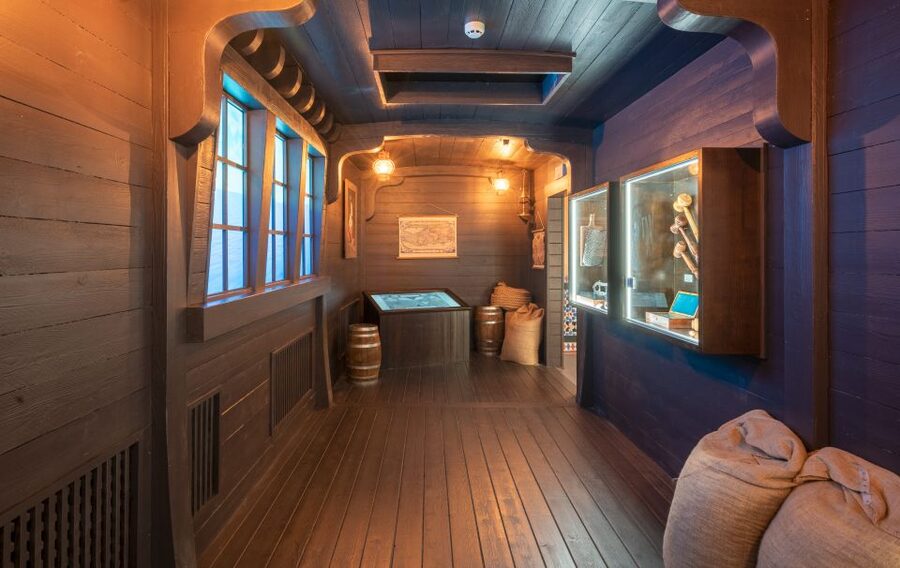
Choco-Story is best suited to families who want an educational stop with a clear reward at the end. Children can use the games and interactive elements while adults listen to the historical commentary.
The children’s audio version is especially helpful for ages around eight to thirteen. Younger children may not listen to every explanation, but the objects, pictures, activities, and chocolate samples give them several ways to stay involved.
The museum is not built as a nonstop amusement attraction. Much of the visit still involves listening and looking at displays. That means the experience may be less exciting for a child who wants constant hands-on action.
For many families, though, the balance is right. You can learn how cocoa grows, see how chocolate production developed, and then watch a real demonstration. The chocolate tasting gives children a reason to stay with the historical sections instead of treating the museum as a quick stop at the gift shop.
Adults without children should not avoid it. The audio guide covers the subject in enough detail to make the visit worthwhile, and the museum addresses both the pleasures and problems connected with chocolate.
The chocolate-making demonstration at the end
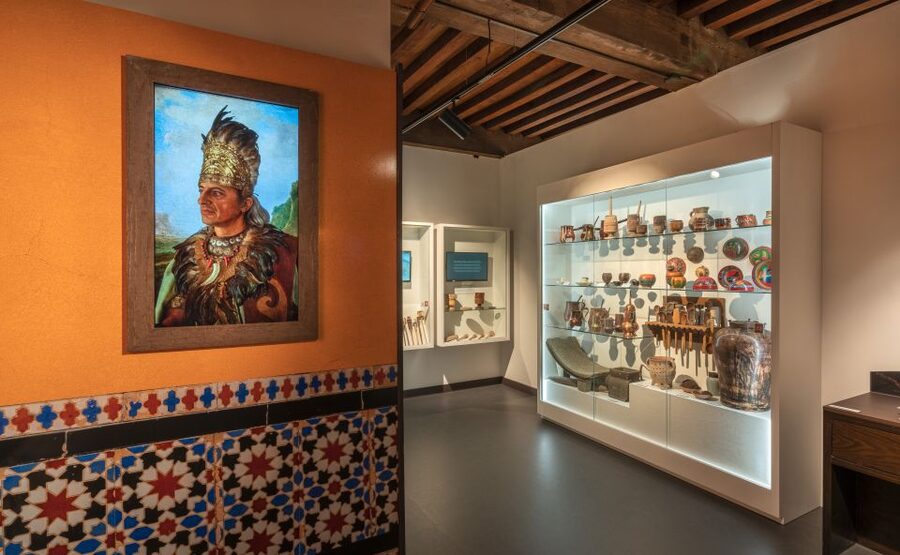
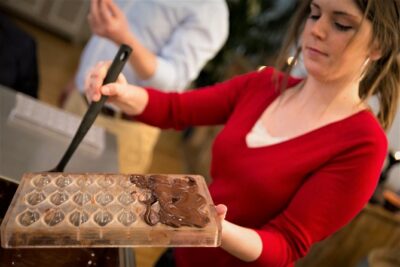
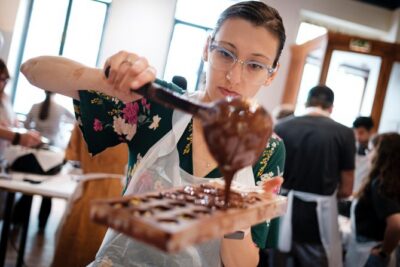
The live demonstration is the payoff. Near the end of the museum route, a chocolatier prepares chocolate, with special attention to making a smooth, attractive praline.
This section is shorter than the full museum visit, but it gives you something the displays cannot: a direct look at the handling of finished chocolate. Seeing the preparation helps explain why temperature, texture, and technique matter.
The presentation is designed to be light and entertaining as well as informative. A demonstrator named Lisa has been praised for a warm and funny presentation, and another highly regarded presentation was described as a lovely finish to the visit.
Do not expect a full professional chocolate-making class. You watch the process rather than making your own batch from start to finish. The demonstration is also focused on the praline, so it does not show every stage of industrial chocolate production in detail.
Still, it is an effective ending. After learning about cocoa pods, ancient drinks, ingredients, and production methods, you see a finished Belgian-style chocolate being prepared in front of you.
Tastings: the sweetest part of the visit
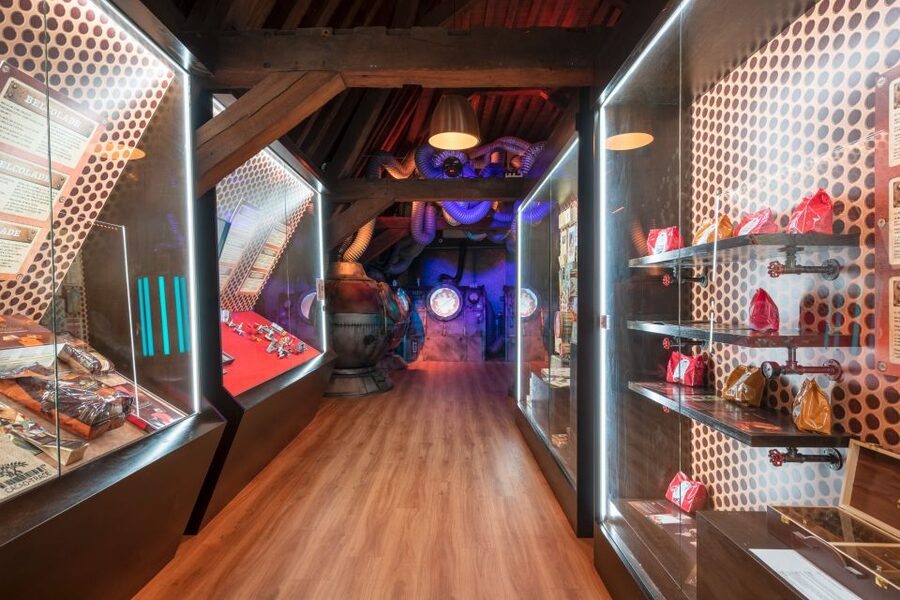
Free tastings are included, and the samples are one of the main reasons the experience feels like good value. Depending on availability, you may try several types of chocolate, with some visits offering four different varieties.
The final praline tasting is the highlight. You taste the product immediately after seeing how it is prepared, which makes the demonstration feel connected to the rest of the museum rather than tacked on at the end.
There is one practical caution: individual tasting items can run out during busy periods. One of the less favorable experiences involved missing a particular variety, including Amber Chocolate. If you have your heart set on one flavor, keep your expectations flexible.
The tasting is not a full meal, of course. Think of it as a series of samples that helps you compare styles and ingredients. Chocolate lovers may wish to leave room for the shop afterward.
The gift shop and the temptation to buy more
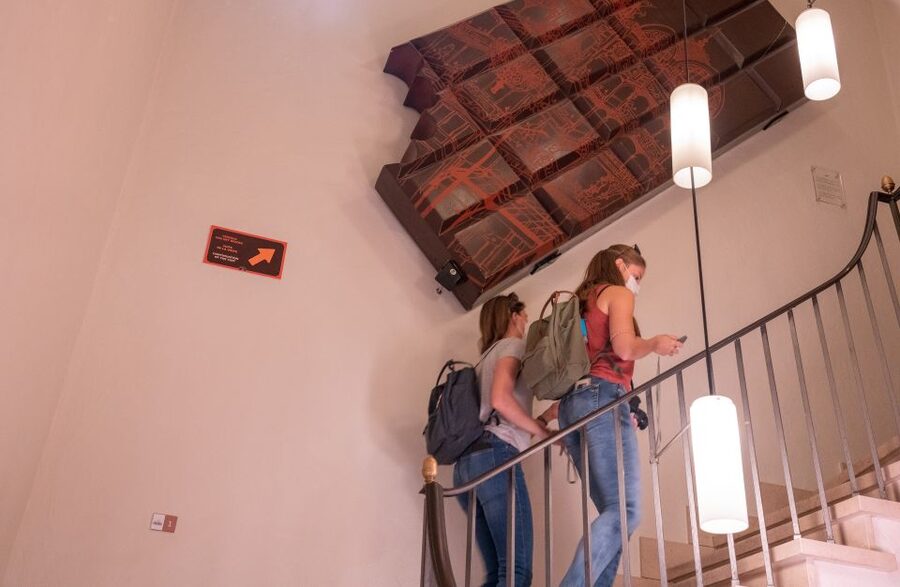
The museum shop carries a broad selection of chocolate products and chocolate-related gifts. You might find assorted sweets, bars, toys, and novelty items such as chocolate-themed soap or candles.
Prices have been described as reasonable, which adds to the value for visitors who want to take something home. The shop is also a practical place to buy Belgian chocolate without spending time comparing every shop in the center.
I would save a few minutes for it, especially if you are visiting with children. The shop gives them a final chance to choose a small souvenir, though it also makes it harder to leave with only the free samples.
The museum itself ends back at the meeting point. Restrooms are available near the exit, but cleanliness may vary, so I would not rely on them for a pleasant final stop.
Is $16 a fair price for 90 minutes?
At $16 per person, the experience offers solid value if you use the full museum route, listen to the audio, enjoy the interactive displays, watch the demonstration, and take the samples.
The price is less compelling if you plan to rush through in under an hour. One advantage of booking through a museum pass is that Choco-Story may be included with other Bruges museums, so compare the individual ticket with the pass if you plan to visit several museums during your stay.
The cost also includes the audio guide and chocolate tastings, not just entrance to the collection. For a rainy afternoon or a family activity, that combination makes the ticket easy to justify.
You can cancel up to 24 hours before the activity for a full refund, and the reserve-now, pay-later option keeps your plans flexible. These policies are useful in a city where weather and sightseeing plans can change quickly.
The museum is not suitable for wheelchair users, and pets are not allowed. Those restrictions matter when planning for a larger group.
Who should book Choco-Story Bruges?
I would recommend this experience to:
- Families with children who enjoy short activities, games, and food samples
- Chocolate lovers who want more context behind Belgian sweets
- Visitors looking for an indoor stop on a wet day
- First-time Bruges visitors who want a central attraction lasting about 90 minutes
- Anyone who prefers exploring at a personal pace rather than staying with a live group
I would be more cautious if you want a traditional guided tour with a guide beside you at every stage. The audio system is good, but the experience depends on you following the numbered route and choosing which displays to hear.
It may also feel light if you are seeking an advanced workshop. You watch a praline demonstration, but you do not spend the visit making chocolates yourself.
My practical verdict
Choco-Story Bruges makes chocolate feel like more than a souvenir. The museum connects ancient cocoa drinks, European sweetness, changing production methods, modern farming concerns, and Belgian pralines in a compact visit.
I especially like the children’s audio option, the self-paced route, and the final tasting after the demonstration. The main drawbacks are the slightly confusing exhibit numbering, the fact that this is largely self-guided, and the possibility that some tasting varieties may be unavailable.
Book it if you want an easy, central, family-friendly museum with real samples and enough history to satisfy curious adults. Skip it if you dislike audio guides or want a hands-on chocolate workshop. For $16 and roughly 1.5 hours, it is a sensible Bruges stop, particularly when the weather is poor or you want a break from churches, canals, and cobbled streets.
FAQ
Where does the Choco-Story Bruges experience start?
It starts at Wijnzakstraat 2, 8000 Bruges, and ends back at the same meeting point.
How long does the visit last?
The stated duration is 1.5 hours. You can move through the self-guided displays more quickly, but listening to the commentary and trying the interactive features takes longer.
Is the tour led by a live guide?
The museum visit is mainly audio-guided, with a host or greeter at the start. A live chocolate-making demonstration takes place near the end.
Is an audio guide included?
Yes. An audio guide is included, and a children’s version is available. The listed languages include Dutch, English, French, and Spanish, with the museum information noting availability in 11 languages.
Are chocolate tastings included?
Yes. Free chocolate tastings are included, along with a chocolate demonstration. Several types may be available, but individual products can occasionally run out.
Is the experience suitable for children?
Yes. Interactive games, displays, chocolate samples, and a children’s audio version make it suitable for families. Children around eight to thirteen may get the most from the mix of activities and history.
Is Choco-Story Bruges wheelchair accessible?
The activity is listed as not suitable for wheelchair users.
Can I cancel the booking?
You can cancel up to 24 hours in advance for a full refund. A reserve-now, pay-later option is also available.
Just added in Bruges
- Unknown Bruges: A Self-Guided Audio Tour to the Heart of the Medieval Metropole★ 5.0 · 1 review
- 2-Hour Private Walking Tour of Bruges★ 5.0 · 13 reviews
- Tour of Historical Bruges knowing The Jerusalem Chapel★ 5.0 · 2 reviews
- Ticket Expo Body Worlds in Bruges, Belgium★ 4.5 · 11 reviews
- 6 Hour Bruges Shore Excursion from Zeebrugge Cruise Port★ 4.5 · 23 reviews
- The Waffles ‘n Coffee Breakfast in Bruges Centre★ 4.5 · 9 reviews
- Explore the Instaworthy Spots of Bruges with a Local★ 5.0 · 3 reviews
- Surprise Walk of Bruges with a Local★ 5.0 · 1 review
Belgian Chocolate Tastings, compared.
Choco-Story Brussels: Chocolate Museum Entrance with Tasting
Read our review →
Hungry Mary’s Famous Beer and Chocolate Tour in Brussels
Read our review →
Belgian Chocolate Making Workshop with Tastings
Read our review →
2.5-Hour Chocolate Museum Visit with Workshop
Read our review →
Historical Walking Tour with Chocolate & Waffle Tasting
Read our review →
Browse the lists this tour appears in