
Reviewed · SELF-GUIDED TOURS
Unknown Bruges: A Self-Guided Audio Tour to the Heart of the Medieval Metropole
Bruges has secrets beyond the postcard center. This affordable self-guided walk leads you from Market Square through old alleys, forgotten squares, medieval bridges, and the less polished Sint Anna Quarter. I like the quirky local stories, including the tale of the swans and the Golden-Hand Canal, and I like that the VoiceMap app works offline with automatic GPS directions. The main drawback is simple: you walk without a live guide, and the tour does not include museum entry or food.
You can finish in about 90 minutes, but I would allow closer to two hours if you pause for photographs or look around the stops. The route ends at the Bonne-Chière windmill, not back in the center, and the walk is non-refundable, so check your plans before booking.
In This Review
- Five reasons this Bruges walk is worth a look
- Why this route changes your view of Bruges
- Starting at Market Square and leaving the crowds
- The Old Beurze and Bruges as a medieval trading city
- Following the 12th-century wall and old ramparts
- Bridges, alleys, squares, and gardens
- Jan Van Eyckplein and Bruges’ foreign quarters
- The Golden-Hand Canal and Bruges’ stranger legends
- Café Vlissinghe and the Sint Anna Quarter
- Folk life, Jerusalem Church, and the road north
- Finishing at the Bonne-Chière windmill
- What $11.99 really buys you
- Who should choose this audio tour?
- Should you book Unknown Bruges?
- FAQ
- Where does the Unknown Bruges audio tour start?
- Where does the tour finish?
- How long does the walking tour take?
- What app does the tour use?
- Does the tour work offline?
- Do I need to bring my own phone and headphones?
- Are museum tickets included?
- Is this a group tour?
- Can I cancel the booking for a refund?
Five reasons this Bruges walk is worth a look
- It leaves Market Square behind: The route begins at Bruges’ most famous square but quickly turns toward quieter corners.
- It follows medieval traces: Look for remnants of the 12th-century wall, old ramparts, and bridges more than 700 years old.
- It tells odd, memorable stories: You’ll hear why Bruges keeps swans in its canals and how the Golden-Hand Canal got its name.
- It reveals old trading quarters: Jan Van Eyckplein introduces the former Italian, Spanish, Easterling, English, and Scottish quarters.
- It ends with a city view: The Bonne-Chière windmill provides a fitting final scene above the medieval city.
- It costs less than a guided outing: At $11.99, you pay for the route, narration, maps, and lifetime access, not a group or a museum ticket.
Why this route changes your view of Bruges
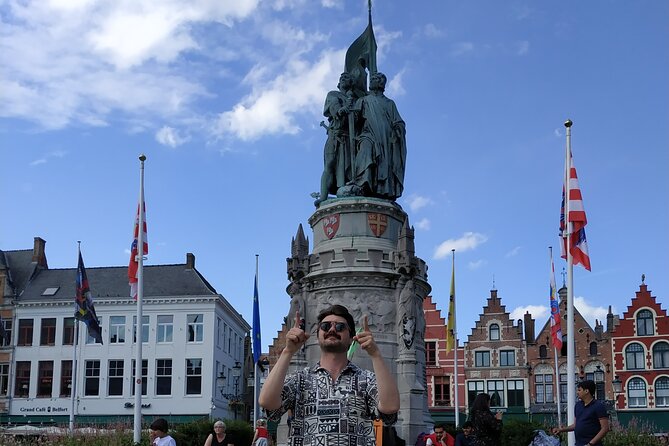
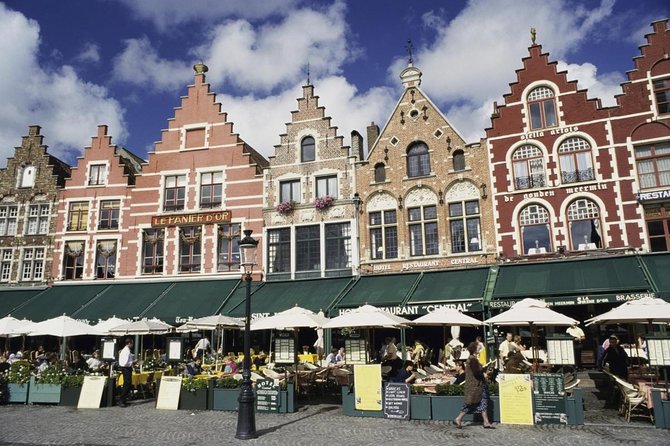
Most first visits to Bruges begin in Market Square, where the Belfry, historic façades, horse carriages, and thick crowds compete for your attention. This walk uses that famous setting as a starting point, then takes you toward parts of the city that are easier to miss when you follow the usual canal circuit.
That shift matters. Bruges can feel almost too polished in its center. The appeal of this route is that it adds working neighborhoods, old trade links, religious oddities, forgotten corners, and signs of decline to the picture. You still get medieval streets, but you also get a city with less decorative and more human edges.
The narration comes from Nicolas Vanlanduyt, whose interest in unusual historical stories led him to create the tour and guide walks in Bruges. That background suits the route. This is not designed as a list of dates and rulers. It focuses on the strange details that help you remember a place after the trip is over.
You’ll hear about swans, foreign merchants, old taverns, unemployment, legends, and a church with an unusual connection to Jerusalem. Those details give the walk a clear personality.
More Self-Guided Tours in Bruges
- Bruges: The Beer Experience Museum Entry with Audio Guide
★ 4.4 · 201 reviews - Bruges Scavenger Hunt and Highlights Self Guided Audio Tour
★ 4.0 · 54 reviews - Romantic Bruges: Love Between the Canals Exploration Game
★ 4.5 · 32 reviews
Starting at Market Square and leaving the crowds
The tour begins at Markt, Bruges’ Market Square. This is a practical starting point because it is easy to find, central, and surrounded by major sights. If you arrive early, take a few minutes to look around before starting the audio. The route assumes that you can reach the meeting point on your own.
Market Square itself is only a small part of the experience. You’ll see some of the city’s main sights here, but the narration soon directs you away from the most familiar views. That makes this a useful second-day activity, especially if you have already spent your first day around the Belfry, the canals, and the central squares.
One useful tip: download the VoiceMap app and enter the unique code before you begin. The app provides the directions to the starting point, then uses GPS to trigger the audio as you walk. Since maps, audio, and location data work offline, you do not need to rely on a steady mobile connection during the route.
You do need your own smartphone and headphones. They are not provided, and the tour has no transportation, refreshments, or admission fees included.
The Old Beurze and Bruges as a medieval trading city
One early stop passes the Old Beurze, a place tied to Bruges’ medieval commercial life. The name helps explain how the city became linked with the development of the word bourse, meaning a place for trading and finance.
The value here is context. Rather than treating Bruges as a collection of pretty buildings, the narration shows you how commerce shaped its streets and neighborhoods. You begin to see the city as a meeting point for merchants, goods, money, languages, and customs.
That idea returns later at Jan Van Eyckplein, where the route explains the former foreign quarters. Bruges once had Italian, Spanish, Easterling, English, and Scottish areas. These names point to a city that was tied to international trade long before modern transport made foreign connections easy.
I like this part because it adds scale to the old streets. A narrow lane can look purely picturesque today, but the route asks you to picture it as part of a busy commercial network.
Following the 12th-century wall and old ramparts
The walk passes remnants of Bruges’ 12th-century defensive wall, including a surviving tower and sections of ramparts. These remains are easy to overlook if you are focused only on the city center’s grand façades.
Here, the audio format helps. A live guide would point out the remains as you pass, while the GPS narration gives you the same kind of prompt without requiring a fixed group pace. You can stop, look closely, and replay the information if needed.
The route does not turn the wall into a formal museum visit. You are seeing fragments along a public walking route, so do not expect a large exhibition or a fully preserved fortification. The reward is the sense of finding old defenses in places that now feel far removed from war.
A completely different kind of day:
- Bruges: Small Group Boat Cruise and Guided Walking Tour
★ 4.8 · 4,102 reviews - Bruges: Walking Tour, Canal Boat Trip w/Beer Tasting Option
★ 4.4 · 2,759 reviews - Historical Walking Tour: Legends of Bruges
★ 5.0 · 2,541 reviews - Bruges: Choco-Story Chocolate Museum Guided Tour w/Tastings
★ 4.2 · 1,379 reviews
Bridges, alleys, squares, and gardens
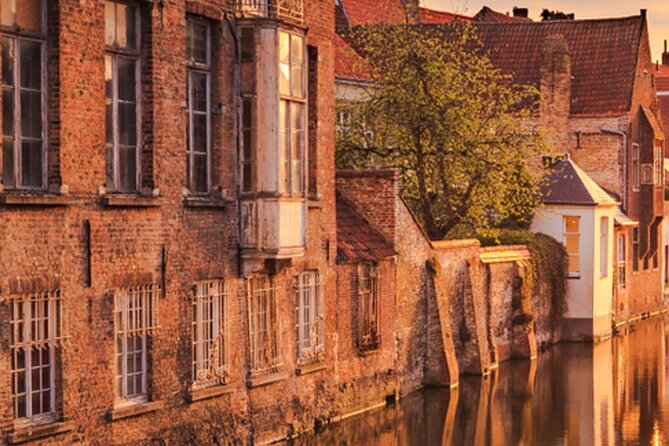
A central strength of the walk is its mix of spaces. You cross bridges more than 700 years old, enter small alleys, pass squares that many visitors miss, and see monuments that time has left partly overgrown.
That variety keeps the route from feeling like a long march between landmarks. You get changes in scale and mood. One moment you may be crossing an old bridge, and the next you may be moving through a quiet passage or looking into a private-looking inner garden.
The route description does not promise entry into every garden or building, so treat these as things to see from the public path. The audio gives them meaning, but the experience remains an outdoor walk.
This is also where your pace matters. The advertised duration is 90 minutes to two hours. If you stop often, take photos, or linger at an atmospheric corner, you will use the longer estimate. The app gives you control over when you start and finish, so you are not trying to keep up with a group.
Jan Van Eyckplein and Bruges’ foreign quarters
Jan Van Eyckplein is one of the route’s most useful stops for understanding the city’s international past. The narration explains why Bruges had separate Italian, Spanish, Easterling, English, and Scottish quarters.
That detail gives you a sharper way to read the city. You are not just walking through an old Belgian town. You are walking through a former trading center where different merchant communities needed places to live, work, worship, and conduct business.
The square also helps connect Bruges’ architecture with its economic past. Even if you do not remember every name, the broad idea is clear: the city’s medieval identity depended on visitors from beyond Flanders.
I would pay close attention here if you enjoy social history more than royal stories. This stop is less about famous individuals and more about how trade shaped daily life.
The Golden-Hand Canal and Bruges’ stranger legends
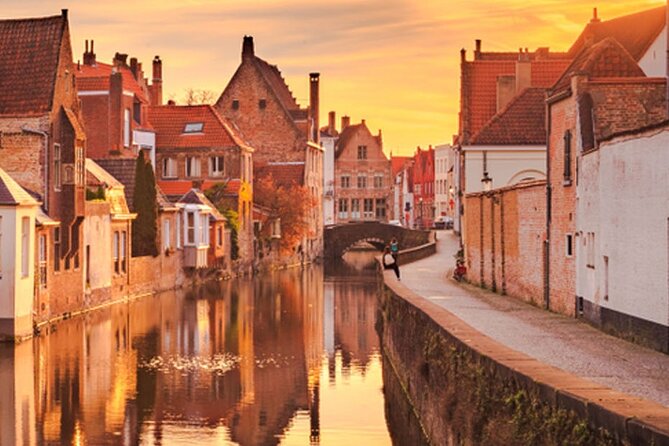
The Golden-Hand Canal comes with a local legend explaining its name. This is one of the tour’s lighter moments, and it shows why the route works best for people who enjoy stories with a touch of mystery.
You should not expect every tale to read like a verified historical document. The appeal is in hearing how Bruges has explained its own streets and waterways over time. Legends give old places an emotional charge, even when the facts are less certain.
The story also helps you notice the canal differently. Instead of passing water as background scenery, you connect it with a name, a tale, and the people who lived beside it.
Another memorable story concerns Bruges’ swans. The tour explains why the city is required to keep swans in its canals for a period of forever and three days. It is an unusual detail, exactly the sort of small fact that can make a walking tour stick in your mind.
Café Vlissinghe and the Sint Anna Quarter
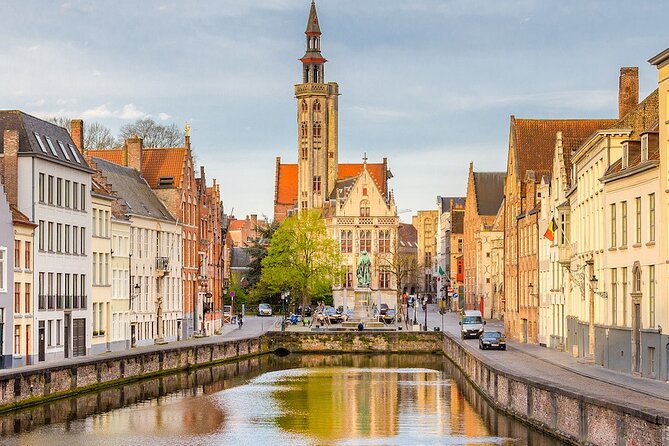
The route passes Café Vlissinghe, described as the oldest continuously operating bar in Bruges. You do not receive food or drink as part of the tour, and the route does not include a promised stop inside, but the building gives you a chance to connect the walk with everyday social life.
A historic bar tells a different story from a church or fortified wall. It points to ordinary gatherings, local conversation, and the long habit of meeting over a drink. If you want to visit, check the café’s own opening arrangements rather than assuming the audio tour guarantees entry.
The walk then reaches the Sint Anna Quarter, one of Bruges’ more authentic neighborhoods. The route discusses the area’s high unemployment rate in the 1800s and its connection to Bruges La Morte, the famous image of Bruges as a beautiful but dying city.
This is one of the more thoughtful parts of the experience. Bruges is often presented as perfectly preserved, but preservation can hide the hardship that once shaped a neighborhood. Sint Anna adds social and economic context to the romantic picture.
You may find this section quieter and less polished than the central tourist streets. That is not a weakness if you want a broader view of Bruges. It is a consideration if you are looking only for grand monuments and postcard scenes.
Folk life, Jerusalem Church, and the road north
The walk passes the Museum of Folk Life, where the narration gives you a brief introduction as you continue. Since museum tickets are not included, you can decide later if you want to return for a separate visit.
This is a useful arrangement for an audio walk. You get enough context to recognize the museum’s importance, but you are not forced to spend part of a short route inside. If your schedule is tight, continue. If traditional daily life interests you, note the location for another time.
The route also passes Jerusalem Church. You hear about the church while walking rather than entering it as part of the tour. That distinction matters because the $11.99 price covers the audio experience, not attraction admission.
These stops are best understood as pieces of a larger story. The route moves from trade and defense to neighborhood life, folk culture, and religion. You do not need to visit every interior to get value from the walk, but you should plan extra time if you want to explore any of them separately.
Finishing at the Bonne-Chière windmill
The tour ends in front of the Bonne-Chière mill on Kruisvest 5. This gives the route a clear finish rather than leaving you in another central lane with no sense of completion.
The windmill is also a good final reward. From here, you get a broad view over Bruges and the medieval city. After spending the walk in alleys, squares, and old quarters, the higher viewpoint lets you pull the pieces together.
Remember that the endpoint is different from the starting point. The walk does not return you to Market Square, so consider your plans for the rest of the day before beginning. The information provided does not promise transportation back to the center.
The mill’s listed opening hours show it available every day around the clock, but the tour itself ends outside the mill and does not include entry. The reliable part of the plan is the exterior viewpoint and the final audio stop.
What $11.99 really buys you
At $11.99 per person, this is priced as a low-cost independent activity. You are paying for the route design, Nicolas Vanlanduyt’s narration, GPS directions, offline maps, and unlimited access rather than for a live guide or admissions.
That makes the value strongest for two kinds of visitors. First, it suits people who want more structure than wandering alone but do not want to join a scheduled group. Second, it works well for repeat visitors who have already seen the main sights and want a different side of Bruges.
The lifetime access is useful. You can use the tour before your booking date, after it, and through the virtual tour option at home. That matters if the weather changes or your schedule shifts, although the non-refundable booking policy means you should not purchase casually.
A private experience can also mean flexibility. Only your group participates, but there is no live guide to answer questions or adjust the route. If personal conversation is important to you, a guided walk may offer more. If independence matters more, this format is a sensible bargain.
Who should choose this audio tour?
I would recommend it to independent walkers, history fans, couples, families with older children, and anyone who finds the center of Bruges too crowded. It is also a strong choice if you have only two days and want to save one outing for quieter streets after seeing the main square.
The route should suit most people because most travelers can participate, according to the supplied details. Still, you should be comfortable walking for up to two hours and managing your own smartphone and headphones.
I would hesitate to recommend it to someone who wants a fully guided experience, hotel pickup, a restaurant stop, or guaranteed access inside the museum and church. Those are not part of the purchase.
The audio format rewards attention. Keep your headphones in, watch for GPS prompts, and allow time to pause. If you rush from start to finish, you may miss the small lanes and overlooked details that make this route worthwhile.
Should you book Unknown Bruges?
Book it if you have already seen Bruges’ famous center, enjoy odd historical stories, and want to explore at your own pace. The combination of old walls, foreign merchant quarters, local legends, the Sint Anna neighborhood, and the Bonne-Chière viewpoint gives you a fuller picture of the city for a modest price.
Skip it if you need a live guide, included entrance tickets, or a route that returns to Market Square. For the right visitor, this is a practical way to spend 90 minutes to two hours seeing Bruges beyond its best-known postcard views.
FAQ
Where does the Unknown Bruges audio tour start?
The tour starts at Market Square, also called Markt, in Bruges, Belgium.
Where does the tour finish?
The tour ends in front of the Bonne-Chière windmill at Kruisvest 5 in Bruges.
How long does the walking tour take?
The tour takes about 90 minutes to two hours, depending on how long you spend at each stop.
What app does the tour use?
The tour uses the VoiceMap app, available for Android and iOS devices.
Does the tour work offline?
Yes. The audio, maps, and geodata can be used offline.
Do I need to bring my own phone and headphones?
Yes. A smartphone and headphones are not included, so you need to bring your own.
Are museum tickets included?
No. Entrance fees for museums and other attractions along the route are not included.
Is this a group tour?
No. It is a private activity for your own group, without other participants joining.
Can I cancel the booking for a refund?
No. The experience is non-refundable and cannot be changed after booking.
Just added in Bruges
- Tour of Historical Bruges knowing The Jerusalem Chapel★ 5.0 · 2 reviews
- Ticket Expo Body Worlds in Bruges, Belgium★ 4.5 · 11 reviews
- 2-Hour Private Walking Tour of Bruges★ 5.0 · 13 reviews
- Explore the Instaworthy Spots of Bruges with a Local★ 5.0 · 3 reviews
- 6 Hour Bruges Shore Excursion from Zeebrugge Cruise Port★ 4.5 · 23 reviews
- The Waffles ‘n Coffee Breakfast in Bruges Centre★ 4.5 · 9 reviews
- Surprise Walk of Bruges with a Local★ 5.0 · 1 review
- Discover Bruges with a self-guided Outside Escape city game tour!★ 5.0 · 4 reviews
Self-Guided Tours, compared.
The Beer Experience Museum Entry with Audio Guide
Read our review →
Chocolate Workshop and Self-Guided Museum Visit at Choco-Story in Brussels
Read our review →
Bruges Scavenger Hunt and Highlights Self Guided Audio Tour
Read our review →
Romantic Bruges: Love Between the Canals Exploration Game
Read our review →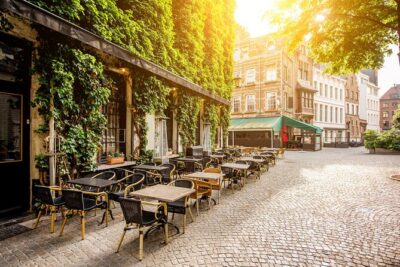
City Walk with Audio Guide in 7 Languages on your Phone
Read our review →
Antwerp Scavenger Hunt and Best Landmarks Self Guided Audio Tour
Read our review →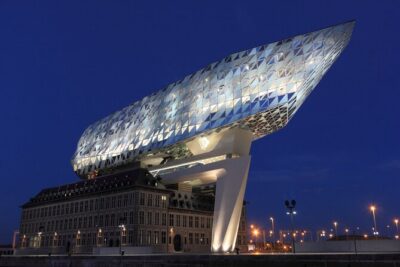
Antwerp Scavenger Hunt and Highlights Self Guided Audio Tour
Read our review →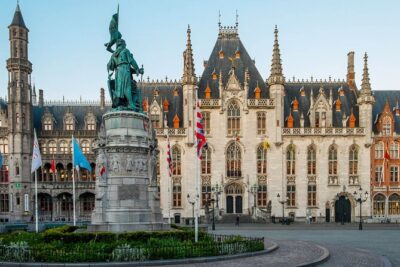
Bruges Walking Tour with Audioguide on Your Smartphone
Read our review →Browse the lists this tour appears in