
Reviewed · WALKING TOURS
Historical Walking Tour: Legends of Bruges
Bruges reveals its secrets on foot. This roughly two-hour-fifteen-minute walk links the city’s grandest sights with lively stories about trade, kings, beer, swans, and local rivalries. I especially like that you see the main historic center in one outing, and that the $3.62 price makes it an easy choice for a first look at Bruges. The main consideration is that this is an outdoor walk, so cold, rain, or a missed guide can affect the experience.
I also like the human touch. Guides such as Louis, Victoria, Martin, Sander, Wouter, and Celine have been praised for clear English, humor, and personal knowledge of Bruges. You should think of the price as a budget entry point rather than the full cost of the experience, since tips are recommended for the guide.
The tour is offered in English with a mobile ticket and a maximum group size of 24. It begins at Pieter de Coninck en Jan Breydelmarkt and ends at Burg Square, putting you in a useful position for further sightseeing, lunch, or a return walk through the center.
In This Review
- Key points at a glance
- Why this Bruges walk is useful on a first visit
- Markt: Bruges begins with trade and politics
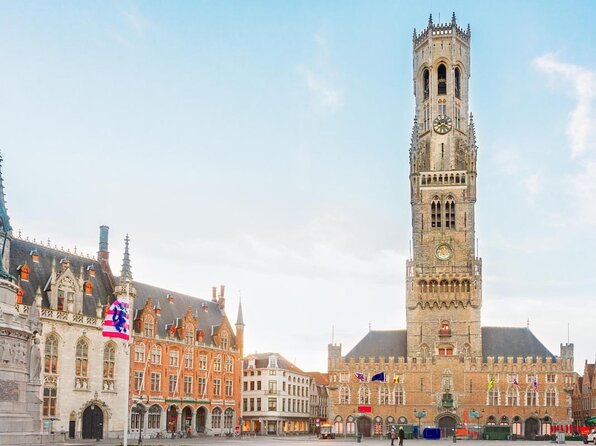
- Belfort: a tower with a civic job
- Gruuthusemuseum: wealth built on beer
- Sint-Janshospitaal: medieval care and daily life
- The Beguinage: eight centuries of shared life
- De Halve Maan: beer, plumbing, and a strange nickname
- Minnewater Lake: swans and a feud with an emperor
- Onze-Lieve-Vrouwekerk: brickwork and Burgundy
- Groeningemuseum garden: Flemish art in context
- Huidenvettersplein: the smell of working Bruges
- Burg Square: ending at Bruges’ political heart
- The guides make the difference
- Price, pace, and practical value
- Who should book Legends of Bruges
- FAQ
- How long does the Historical Walking Tour: Legends of Bruges last?
- Where does the tour start?
- Where does the tour end?
- Is the tour offered in English?
- How much does the tour cost?
- How many people can join the tour?
- Can I cancel for a full refund?
- Should you book it?
Key points at a glance
- Eleven central stops: You cover the Markt, Belfort, Burg Square, Minnewater Lake, the Beguinage, major churches, museums, and old trade districts.
- Stories behind the scenery: The guide explains Bruges’ medieval trading power, its difficult dealings with French royalty, the swans, the beer pipeline, and the nickname Fools of Bruges.
- Excellent first-day orientation: The route gives you a clear mental map before you return to the places you want to explore inside.
- Very low upfront cost: At $3.62, the tour is unusually accessible, though you should budget a tip.
- Personal guide quality matters: Strong guides use humor, visual aids, local advice, and stories tied to their own connection with Bruges.
- Outdoor pacing: The walk includes many short stops, but you still need comfortable shoes and clothing suited to the weather.
Why this Bruges walk is useful on a first visit
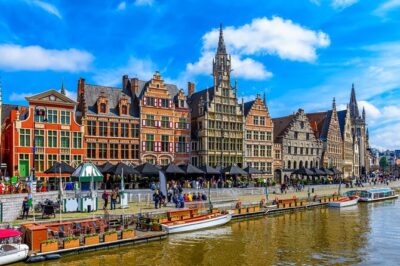
Bruges can feel almost too pretty at first. Medieval brick houses, canals, narrow lanes, and grand squares arrive one after another, but without context, the city can become a parade of attractive façades. This tour gives those façades a purpose.
You learn why Bruges became a major trading center, how its political power developed, and how ordinary work shaped the city. The route does not focus only on dukes and churches. It also touches beer merchants, tanners, hospital workers, beguines, and townspeople who challenged powerful rulers.
That mix is one of the tour’s strongest features. I prefer a walk that explains how a city functioned, not just who built its grandest building. The stories about the beer trade and the tanning district help Bruges feel like a working city, not an open-air museum.
The route is also practical. It reaches the principal sights in a single circuit, so you can later decide where to spend more time. I would take it near the beginning of a Bruges stay, just as one guide advised, because the orientation can help you plan the rest of your day.
More History Tours in Bruges
- THE Storytelling Tour of Bruges | First Day Must | History & Tips
★ 5.0 · 925 reviews - Historical Walking Tour: The Story of Bruges – by Legends
★ 4.7 · 483 reviews - Private Historical Tour: The Highlights of Bruges
★ 5.0 · 315 reviews
Markt: Bruges begins with trade and politics
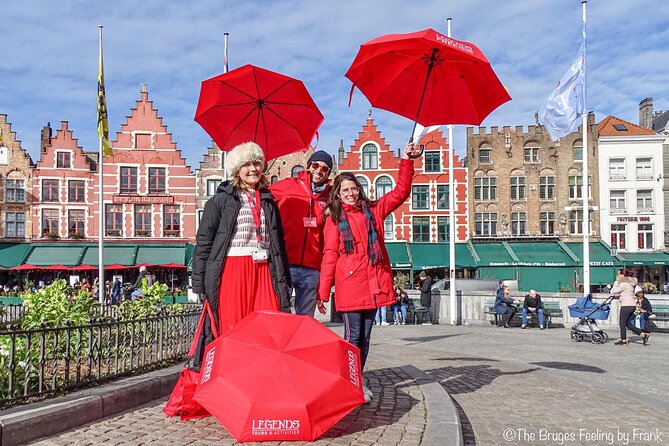
The tour starts at the Markt, the broad central square where Bruges’ public life still gathers. The opening fifteen minutes set up the city’s medieval importance as a trading hub.
You hear about the goods and commercial links that helped Bruges grow, along with the tense relationship between the city and the French king. That political story matters because Bruges was not simply a wealthy town waiting for royal approval. Its money and civic strength could create friction with rulers who wanted control.
This is a good place for the guide to establish the basic theme of the walk: Bruges prospered through trade, but wealth brought political pressure. Look around while the guide speaks. The square is large enough to show how commerce, civic pride, and public ceremony came together.
Because the Markt can be busy, stay close enough to hear. The tour is designed for a group of up to 24, and the square has plenty to look at while you listen, but distractions are easy here.
Belfort: a tower with a civic job
The next stop is the Belfort, Bruges’ famous bell tower. The tour visits the halls behind the belfry and explains the tower’s role during the Middle Ages.
This is more useful than simply hearing that the tower is old or impressive. Medieval bell towers helped organize civic life. Bells could signal danger, public announcements, work hours, or political events. The Belfort represents the power of the city itself, not only the wealth of a church or noble family.
The walk does not include a climb to the top. One useful practical tip from the tour experience is to buy tower-climb tickets in the morning if you want to go up later, since access can become harder as the day moves on. Treat the walking tour and the Belfort climb as separate plans.
At about ten minutes, this is a short stop. That is helpful if you want a broad introduction, though anyone hoping for a full architectural study of the tower will need to return independently.
Gruuthusemuseum: wealth built on beer

The Gruuthusemuseum occupies a renovated city palace that once belonged to a wealthy Bruges family. The guide connects the building to the family’s monopoly on a particular part of the beer trade.
That detail gives the palace more meaning. Grand homes did not appear by magic. They were paid for by control of valuable goods, trade rights, and local business. Beer was not merely a pleasant drink in medieval Bruges. It was part of the city’s economy and daily life.
You may want to return to the museum itself later, but the tour’s ten-minute stop is mainly about the family, the building, and the commercial power behind it. I like this kind of explanation because it makes the architecture easier to read.
More Walking Tours in Bruges
- Bruges: Small Group Boat Cruise and Guided Walking Tour
★ 4.8 · 4,102 reviews - Bruges: Walking Tour, Canal Boat Trip w/Beer Tasting Option
★ 4.4 · 2,759 reviews - Guided boat trip and walk
★ 4.5 · 703 reviews - Bruges: Guided Walking Tour
★ 4.5 · 682 reviews
Sint-Janshospitaal: medieval care and daily life
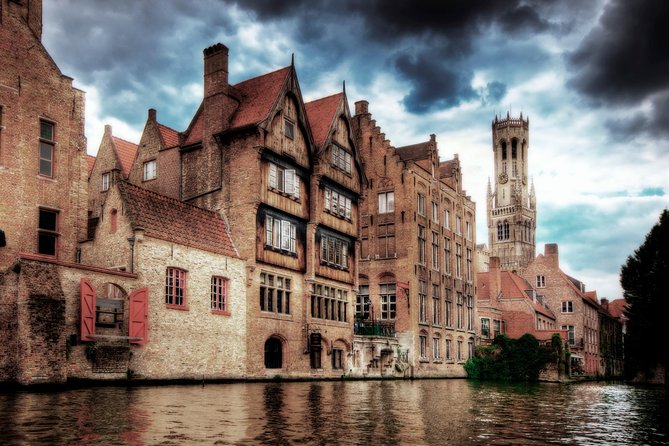
At Sint-Janshospitaal, the tour pauses beside one of the oldest surviving hospitals in the world. The guide explains its place in medieval society.
Hospitals in this period were not identical to modern medical centers. They offered care, shelter, charity, and religious service, making them important civic institutions. This stop broadens the story beyond merchants and rulers.
The hospital is also one of Bruges’ most striking historic buildings. You get ten minutes here, enough to understand why it matters and to note it as a place to revisit. If art and medical history interest you, you may want to allow extra time on your own after the walk.
The Beguinage: eight centuries of shared life
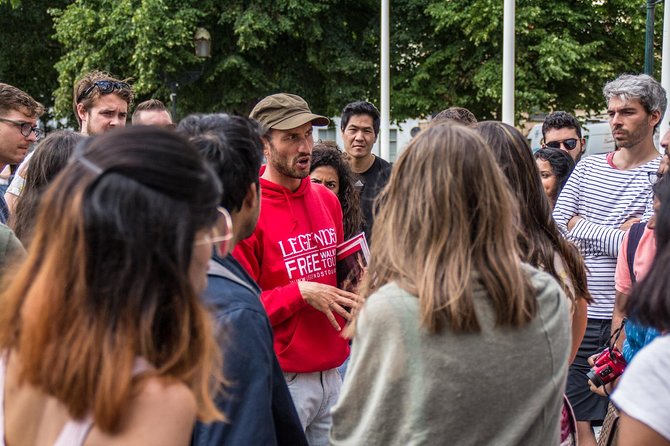
The Princely Beguinage Ten Wijngaarde offers a quieter change of pace. You walk into a picturesque community where women have lived together for more than 800 years.
The guide’s explanation helps you see the Beguinage as more than a calm courtyard with whitewashed buildings. It was a community shaped around shared religious and social life, offering women a way to live together without entering a conventional convent.
This is one of the stops where silence and atmosphere matter as much as facts. Keep your voice low and follow local rules. The ten-minute visit is enough to introduce the place, but you may want to linger if the setting appeals to you.
The route’s variety works well here. After busy squares and stories of royal conflict, the Beguinage gives you a more reflective corner of Bruges.
De Halve Maan: beer, plumbing, and a strange nickname
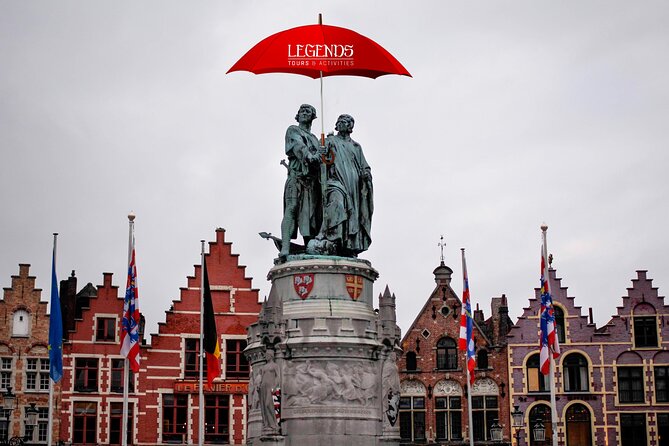
Outside De Halve Maan Brewery, the guide explains how Bruges acquired the nickname Fools of Bruges. You also see a section of the beer pipeline running beneath the city.
This is a memorable stop because it joins local humor with modern city infrastructure. The brewery story shows how beer remains tied to Bruges’ identity, while the pipeline adds a practical detail you might otherwise miss.
The guide does not present this as a brewery tasting stop, so do not book the walk expecting a full brewing visit. It is a ten-minute explanation outside the brewery. You can use the information to decide if you want to return for a separate brewery experience.
Minnewater Lake: swans and a feud with an emperor
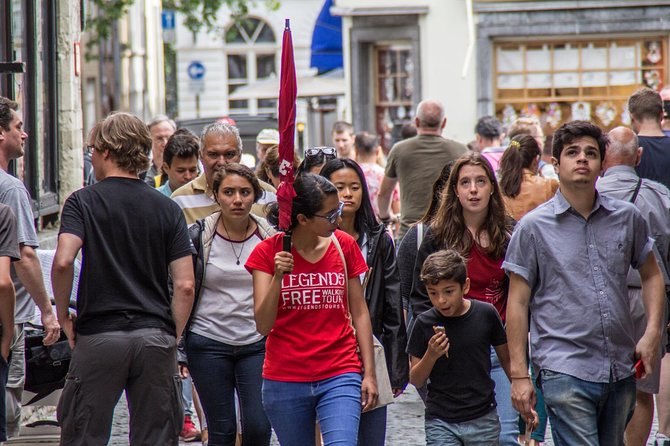
At Minnewater Lake, also called the Lake of Love, the guide tells the story behind Bruges’ swans and the city’s conflict with Emperor Maximilian of Austria.
This fifteen-minute pause adds a touch of legend to the political story. Swans are now one of Bruges’ familiar symbols, but the tour explains why they appear on the canals and how their presence connects with the city’s past.
Minnewater also gives the walk a little breathing room. The scenery changes from dense streets and major buildings to water and open views. If the weather is poor, this can be one of the more exposed parts of the route, so dress sensibly.
Onze-Lieve-Vrouwekerk: brickwork and Burgundy
The Church of Our Lady, Onze-Lieve-Vrouwekerk, is one of the architectural high points. Its brick tower is described as the second tallest brick tower in the world, and the church houses a statue by Michelangelo.
The church also contains the tombs of the last Dukes of Burgundy. That combination makes the stop especially useful: architecture, art, and political history meet in one place.
The guide’s ten-minute explanation gives you the essentials, but this is another sight worth revisiting if you want more time. A short outdoor tour stop cannot replace a careful look at the interior, the Michelangelo sculpture, or the tombs.
I find this kind of introduction valuable because it tells you what to look for before you enter. Instead of wandering through a large church without a plan, you have a few clear details to notice.
Groeningemuseum garden: Flemish art in context
The route enters the garden of the Groeningemuseum, where works by major Flemish masters are on display. The stop lasts only about five minutes, so it is an introduction rather than a museum visit.
That short pause suits the overall design of the tour. You get a sense of the museum’s place in Bruges, then choose later if you want to return for the art. The guide can help connect the city’s wealth and religious life with the paintings associated with Flemish art.
If art is a main reason for your visit, note the limited time here. The tour points you in the right direction, but you will need a separate visit for the full collection.
Huidenvettersplein: the smell of working Bruges
At Huidenvettersplein, the old Tanner’s Square, the guide explains how skins were greased and turned into leather.
This stop is valuable because it is not polished history. Tanning was smelly, physical work, and it shaped the location and character of the district. You see how trades that supported medieval life could be unpleasant and highly skilled at the same time.
I like this small square as a reminder that Bruges was not built only by wealthy merchants. Its streets also depended on workers handling materials, making goods, and dealing with the less pleasant side of urban life.
Burg Square: ending at Bruges’ political heart
The walk passes the old Fishmarket before ending at Burg Square. The guide describes Burg as the political heart and birthplace of Bruges.
Ending here gives the route a clear sense of direction. You begin with trade at the Markt and finish with civic power at Burg, linking the city’s commercial strength to its government and public institutions.
This is also a convenient place to continue exploring. You can remain in the historic center, return to a favorite stop, or use the square as a reference point for the rest of your visit.
The guides make the difference
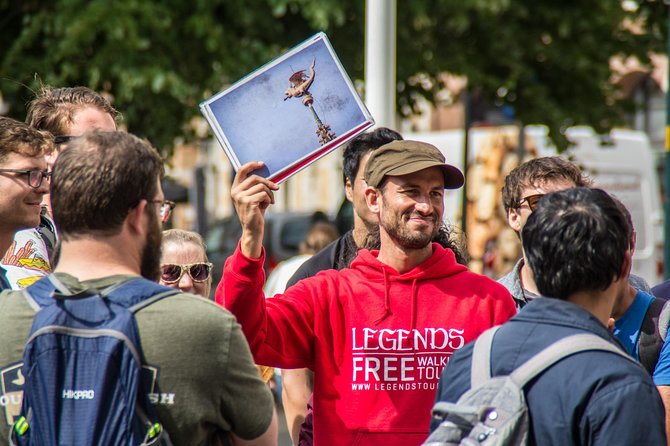
The strongest part of this experience is the guide’s delivery. The best examples include Louis, who brought Bruges’ past to life with stories and a clear love for his home city, and Victoria, whose humor, charisma, and local tips made the walk especially engaging.
Martin was praised for combining strong storytelling with detailed explanations. Sander used visual aids to support his stories, while Wouter and Willem added personal energy and useful observations. Celine’s connection to Bruges also made her advice about getting around the city particularly helpful.
You should keep expectations realistic. Guide quality can vary, and one group waited from 10:20 to 10:50 without its guide appearing. That was an isolated but serious problem, so confirm your meeting point carefully and arrive early.
The tour is capped at 24 people, though smaller groups can happen. A small group allows more questions. Larger groups may feel less personal, especially in busy squares, but the route’s frequent stops help keep the walk manageable.
Price, pace, and practical value
At $3.62 per person, this is not a conventional high-priced guided tour. It is a low-cost way to get a structured introduction to Bruges, with all fees and taxes included in the listed price.
I would still treat the tip as part of the budget. The experience depends heavily on the guide, and the low booking price does not mean the guide’s time has no value. If you receive the kind of lively, informed walk described by the strongest accounts, a generous tip is appropriate.
The tour lasts about two hours and fifteen minutes, though the listed stop times add up differently from the full duration. Expect a steady walk with frequent pauses rather than eleven long visits. The route is mostly about seeing places, hearing stories, and noting where to return.
Comfortable shoes matter. One guide gave the walk a good rhythm, and several stops offer natural breaks, but this remains a city walk. A toddler may find a freezing day difficult, as one family discovered. Bad weather can also lead to a cancellation, with a new date or full refund offered.
The experience is available in English, uses a mobile ticket, allows service animals, is near public transportation, and is suitable for most participants. It requires a minimum number of people, so a cancellation is possible if that number is not met.
Who should book Legends of Bruges
I would recommend it most strongly to first-time visitors, day visitors, and anyone who wants the main sights explained without spending much. It also works well for families who can manage a couple of hours on foot, and for history fans who enjoy political stories, trade, architecture, and local legends.
It is less suited to you if you want long interior visits, a brewery tasting, or a slow photography walk. The tour gives you a broad introduction, not extended time inside the Belfort, museums, or church.
Book it early in your Bruges visit if you can. You will learn which places deserve a second look and pick up practical suggestions about food, chocolate, shopping, and further sightseeing. Some guides add small extras, such as a chocolate truffle or complimentary chocolates, but those touches should be viewed as pleasant surprises rather than guaranteed inclusions.
FAQ
How long does the Historical Walking Tour: Legends of Bruges last?
The tour lasts approximately 2 hours and 15 minutes.
Where does the tour start?
It starts at Pieter de Coninck en Jan Breydelmarkt, 8000 Brugge, Belgium.
Where does the tour end?
The tour ends at Burg Square, Burg 15, 8000 Brugge, Belgium.
Is the tour offered in English?
Yes. The experience is offered in English.
How much does the tour cost?
The listed price is $3.62 per person. Tips are recommended.
How many people can join the tour?
The maximum group size is 24 people.
Can I cancel for a full refund?
Yes, if you cancel at least 24 hours before the start time. Cancellations or changes made within 24 hours are not refunded. If poor weather or an insufficient number of participants causes the tour to be canceled, you will be offered another date or experience, or a full refund.
Should you book it?
Yes, if you want a low-cost, story-led introduction to Bruges. The route covers an impressive range of sights, from the Markt and Belfort to Minnewater Lake and Burg Square, while adding details about beer, tanning, swans, hospitals, and royal disputes.
I would book it near the start of your visit, arrive early at the meeting point, dress for the forecast, and plan to tip the guide. Just remember that the walk is an overview. Use it to get your bearings, enjoy the stories, and decide which churches, museums, towers, and brewery experiences deserve your own extra time.
Just added in Bruges
- Unknown Bruges: A Self-Guided Audio Tour to the Heart of the Medieval Metropole★ 5.0 · 1 review
- 2-Hour Private Walking Tour of Bruges★ 5.0 · 13 reviews
- Tour of Historical Bruges knowing The Jerusalem Chapel★ 5.0 · 2 reviews
- Ticket Expo Body Worlds in Bruges, Belgium★ 4.5 · 11 reviews
- 6 Hour Bruges Shore Excursion from Zeebrugge Cruise Port★ 4.5 · 23 reviews
- The Waffles ‘n Coffee Breakfast in Bruges Centre★ 4.5 · 9 reviews
- Explore the Instaworthy Spots of Bruges with a Local★ 5.0 · 3 reviews
- Surprise Walk of Bruges with a Local★ 5.0 · 1 review
Walking Tours, compared.

Small Group Boat Cruise and Guided Walking Tour
Read our review →
Walking Tour, Canal Boat Trip w/Beer Tasting Option
Read our review →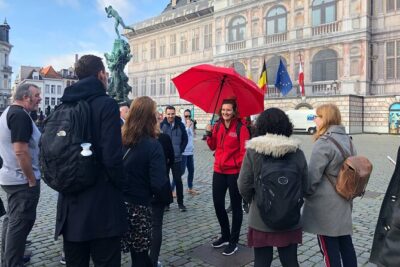
Historical Walking Tour with Chocolate & Waffle Tasting
Read our review →
Brussels Walking and Tasting Tour (Beers,Chocolates&Fries/Waffle)
Read our review →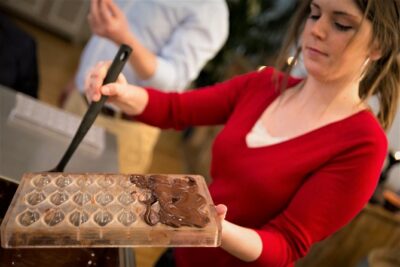
Browse the lists this tour appears in