
Reviewed · MUSEUMS
Bruges: Musea Brugge Card with Entry to 11 Museums
Bruges rewards curious wanderers. The 72-hour Musea Brugge Card gives you time to move beyond canals and chocolate shops, with entry to 11 museums and monuments that explain the city’s art, faith, craft, and daily life. I especially like the Belfry access and the chance to see Flemish masterpieces at the Groeninge Museum. I also like the simple QR code entry, though the card is only a good deal if you plan to visit at least three included sites.
This is not a guided tour with a fixed route. You choose the order, pace, and number of stops over three days. Most attractions sit within easy walking distance in central Bruges, so you do not need public transportation for the main circuit. The main catches are shorter winter hours, some Monday closures, and the need to reserve a Belfry time slot in advance.
In This Review
- Key points to know before buying
- What the Musea Brugge Card actually covers
- Start at the Belfry, but reserve first
- Groeninge Museum and the Flemish Primitives
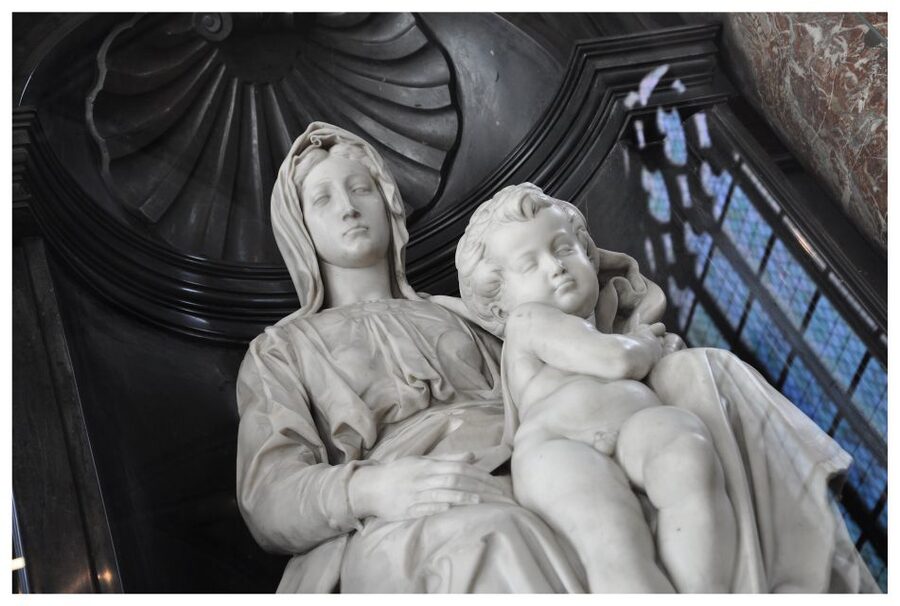
- Michelangelo’s Madonna and Child at Our Lady’s Church
- St John’s Hospital, a highlight for many itineraries
- Gruuthuse Museum and Bruges’ upper-class past
- City Hall and the Liberty of Bruges
- Folk Life and the House of Guido Gezelle
- The Sint-Janshuis Mill and Our Lady of the Pottery
- How to plan the 72 hours
- Is $38 good value?
- Small practical details that affect your visit
- Who should buy the Musea Brugge Card?
- FAQ
- How long is the Musea Brugge Card valid?
- How many attractions are included?
- Can I use the card at the Belfry?
- Do I need to collect a physical card?
- Can I activate the card later?
- Is public transportation included?
- Is the Sint-Janshuis Mill open all year?
- Are all the included museums wheelchair accessible?
- Can I cancel the booking?
- Should you book the Musea Brugge Card?
Key points to know before buying
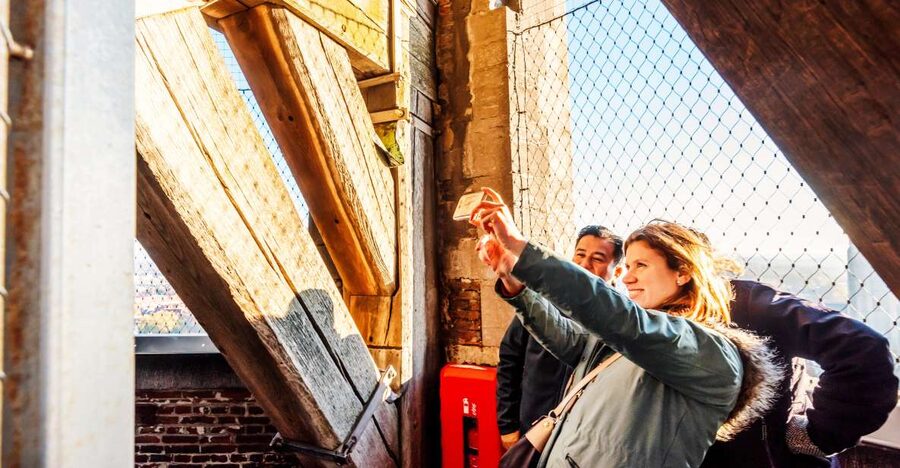
- Climb 366 steps at the Belfry: Reserve a free time slot online, then scan your card for access to Bruges’ famous tower and panoramic city view.
- See Michelangelo in the Church of Our Lady: The Museum of the Church of Our Lady includes the celebrated Madonna and Child.
- Use the card across 72 hours: You can spread visits over three days instead of rushing through everything in one afternoon.
- Walk between most attractions: The included museums and monuments are concentrated around Bruges’ historic center.
- Scan a digital QR code: You can activate the card at any included site without collecting a physical pass.
- Check seasonal closures: The Sint-Janshuis Mill closes in winter and reopens on April 1, while opening hours are generally shorter during the colder months.
What the Musea Brugge Card actually covers
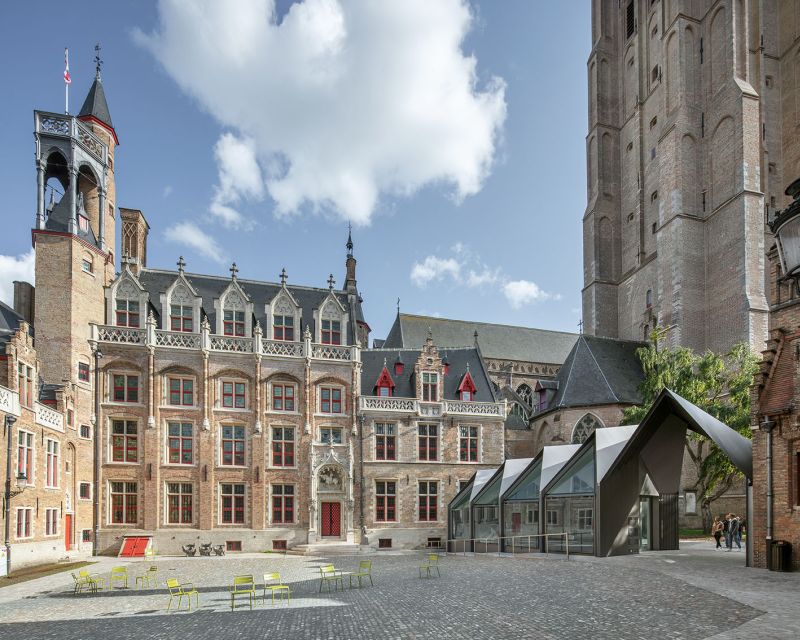
The card gives you one-time entry to 11 Musea Brugge attractions. These are not all traditional museums. Some are working monuments, historic rooms, churches, or small cultural sites. That variety is part of the appeal, but it also explains why one person may find the card outstanding value while another may feel it covers fewer museums than expected.
The included sites are:
- Belfort, the Belfry and Carillon
- Brugse Vrije, also called the Liberty of Bruges
- Gezellehuis, the House of Guido Gezelle
- Groeningemuseum
- Gruuthusemuseum
- O.L.V.-kerk Museum, the Museum of the Church of Our Lady
- O.L.V.-ter-Potterie, the Church of Our Lady of the Pottery
- Museum Sint-Janshospitaal, or St John’s Hospital
- Sint-Janshuismolen, the Sint-Janshuis Mill
- Stadhuis, or City Hall
- Volkskundemuseum, the Museum of Folk Life
The card lasts 72 hours from activation. You may activate it at the Museum Pavilion, the main ticketing center, or directly at your first attraction by scanning the voucher at the entrance. You can also activate it up to one year after purchase, useful if your plans change.
More Museum Tours in Bruges
- Bruges: Choco-Story Chocolate Museum Guided Tour w/Tastings
★ 4.2 · 1,379 reviews - Choco-Story: The Chocolate Museum in Bruges
★ 4.0 · 544 reviews - Bruges: Chocolate Making Workshop and Chocolate Museum Entry
★ 4.6 · 395 reviews
Start at the Belfry, but reserve first
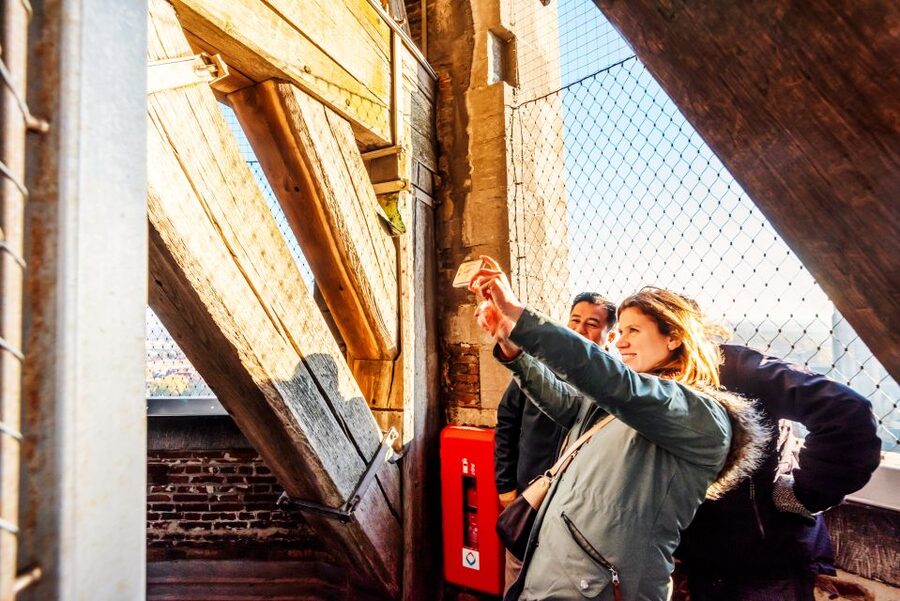
The Belfry is the headline attraction, and it deserves a prime place in your schedule. The climb takes you up 366 steps, with narrow sections and a physical effort that should not be underestimated. At the top, you get the reward: a broad view over Bruges and its medieval rooflines.
You should reserve a free time slot online through the Musea Brugge website before arriving at the tower. The card lets you skip the regular ticket line, but it does not remove the need to manage the Belfry’s timed entry system. Booking ahead is especially sensible when you have only one day in town.
The Belfry is also a good example of how the card works best. You scan your digital pass at the door, rather than buying another ticket. The process is quick, and you can save your energy for the stairs.
The tower is not suitable for everyone. The climb is steep, and the narrow stairway can feel uncomfortable. If you have limited mobility, plan around the fact that some included sites are not wheelchair accessible.
Groeninge Museum and the Flemish Primitives
The Groeninge Museum is the card’s major art stop. Its collection includes paintings by the Flemish Primitives, giving you a direct look at the polished religious and civic art associated with Bruges and Flanders.
You do not need to be an art expert to appreciate the visit. Look closely at the detail, faces, fabrics, and small symbols in the paintings. The museum offers a useful contrast to Bruges’ churches and historic buildings, where art remains in its original religious setting.
The collection also reaches beyond medieval painting into later and contemporary art. That wider range helps prevent the museum from becoming a single-period stop. If you have limited time, this is one of the strongest choices on the card, along with the Belfry and St John’s Hospital.
Michelangelo’s Madonna and Child at Our Lady’s Church
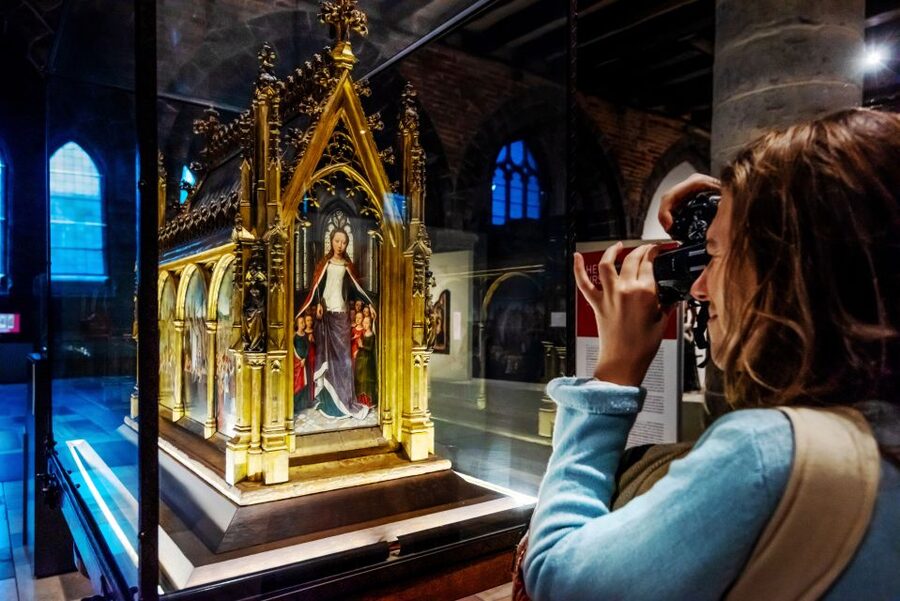
The Museum of the Church of Our Lady gives the card one of its most famous individual works: Michelangelo’s Madonna and Child. Seeing the sculpture in a church setting feels different from seeing an isolated object in a gallery. The building, devotional purpose, and surrounding works all shape the experience.
The church also helps you understand Bruges as more than a pretty collection of streets. Religious institutions played a central role in the city’s culture and public life, and this stop connects art with that older setting.
Allow enough time to look beyond the famous sculpture. The value here comes from the combination of architecture, artwork, and atmosphere. You may find this a shorter visit than the Groeninge Museum or St John’s Hospital, but it is one of the essential stops.
A completely different kind of day:
- Bruges: Small Group Boat Cruise and Guided Walking Tour
★ 4.8 · 4,102 reviews - Bruges: Walking Tour, Canal Boat Trip w/Beer Tasting Option
★ 4.4 · 2,759 reviews - Historical Walking Tour: Legends of Bruges
★ 5.0 · 2,541 reviews - From Bruges: Great War Flanders Fields Minibus Tour w/ Lunch
★ 4.9 · 1,257 reviews
St John’s Hospital, a highlight for many itineraries
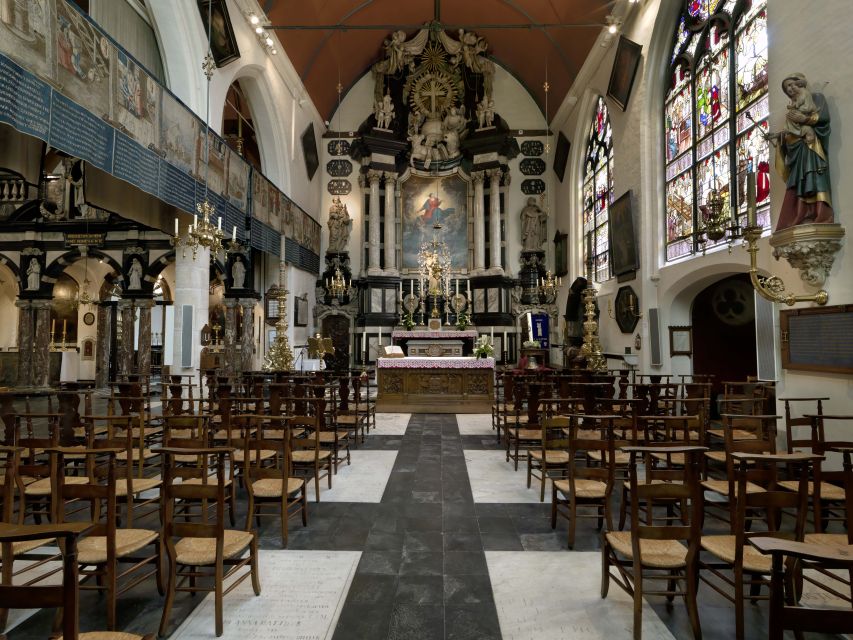
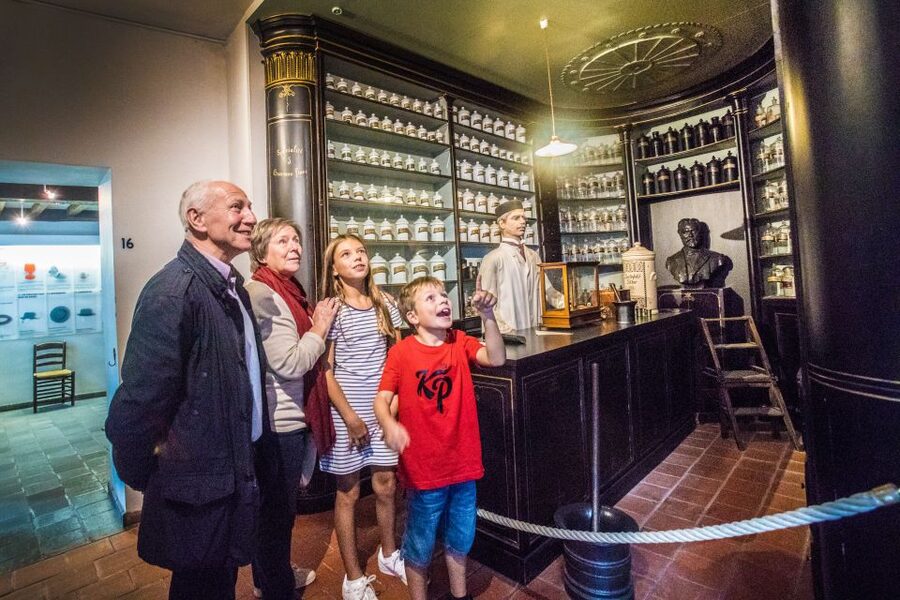
St John’s Hospital is one of the most rewarding sites on the card. The former hospital setting gives the museum a strong sense of place, while its art and medical story broaden your view of Bruges.
I would put this high on your list, especially if you want something beyond standard fine art. The building connects care, religion, work, and city life. It is also a good indoor choice when Bruges weather turns wet, which can happen even when the streets look picture-perfect in photographs.
The museum works well alongside the Church of Our Lady. The two sites are close together, but they offer different experiences. One centers on a church and a celebrated sculpture, while the other gives you a fuller look at institutional life and historic art.
Gruuthuse Museum and Bruges’ upper-class past
The Gruuthuse Museum occupies a historic setting and focuses on the city’s material culture. Its displays include art, objects, furniture, and evidence of how people lived.
This is the place to visit when you want context for the grand buildings outside. Bruges can sometimes feel like a preserved stage set if you only admire the facades. The Gruuthuse collection helps put rooms, possessions, status, and household life behind those facades.
One practical warning matters here: the Gruuthusemuseum is not fully wheelchair accessible. Check your route before planning it as a central part of your day.
City Hall and the Liberty of Bruges
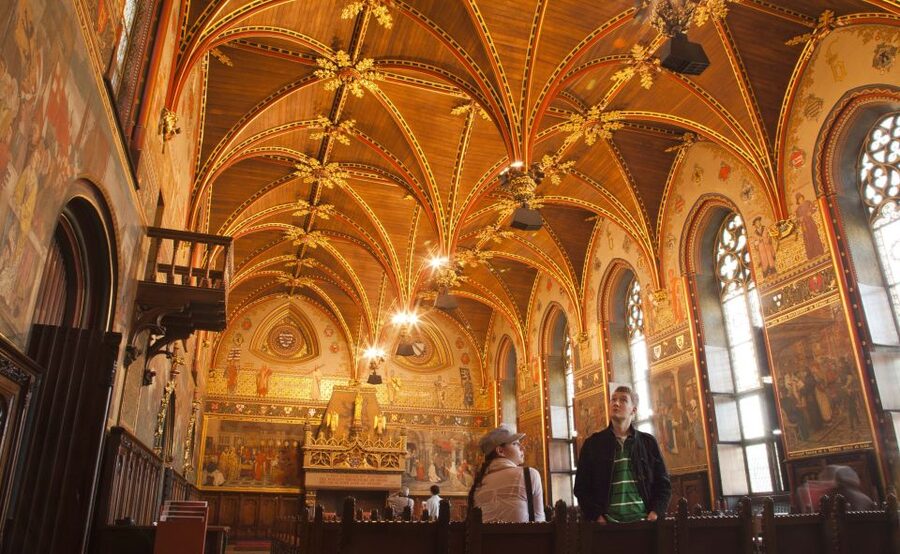
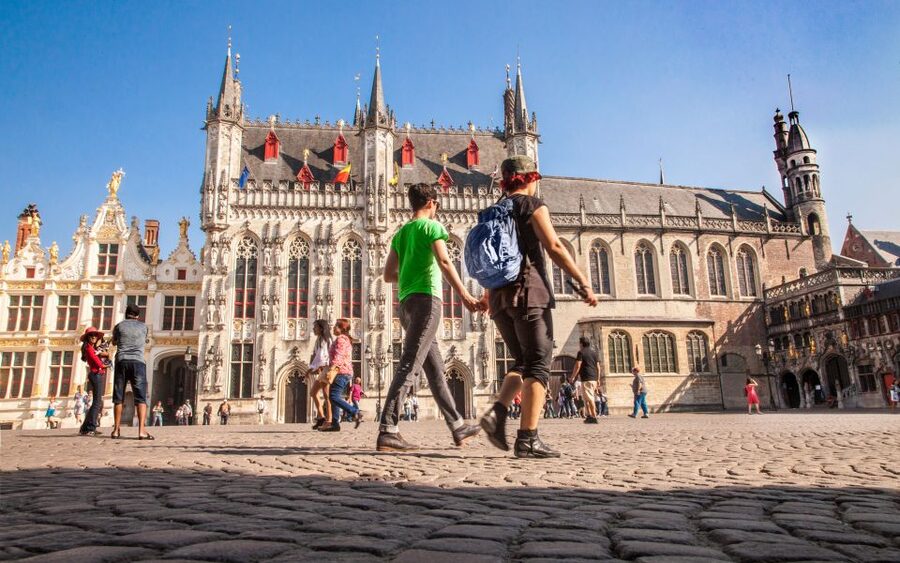
Bruges City Hall is one of the most impressive architectural stops in the pass. The historic hall is beautiful, and an audiovisual presentation explains how Bruges developed over time. That display adds useful structure to a city that can otherwise feel like a series of disconnected sights.
I recommend City Hall even if you did not originally plan to visit it. The stop is compact, central, and easy to fit between the Belfry and other attractions. It also helps explain the civic side of Bruges, rather than focusing only on church art or wealthy homes.
The nearby Brugse Vrije, or Liberty of Bruges, continues that civic story. Its historic rooms and decorative details show another side of local government and public power. Together, City Hall and the Liberty make a sensible pair for anyone interested in how Bruges was run.
Folk Life and the House of Guido Gezelle
The Museum of Folk Life is a useful change of pace. Instead of grand art and official buildings, it focuses on everyday traditions, crafts, and domestic life. You can use it to picture how ordinary people lived and worked, not just how wealthy patrons and city officials presented themselves.
This museum is easy to overlook, which is exactly why the pass helps. Once you have already paid for entry, you are more likely to give a smaller site an hour rather than walking past it.
The Gezellehuis, the house connected with Guido Gezelle, adds a literary and local dimension. It is a quieter stop than the Belfry or Groeninge Museum, but it belongs on the card for visitors who want to connect Bruges with its people and cultural figures.
The Sint-Janshuis Mill and Our Lady of the Pottery
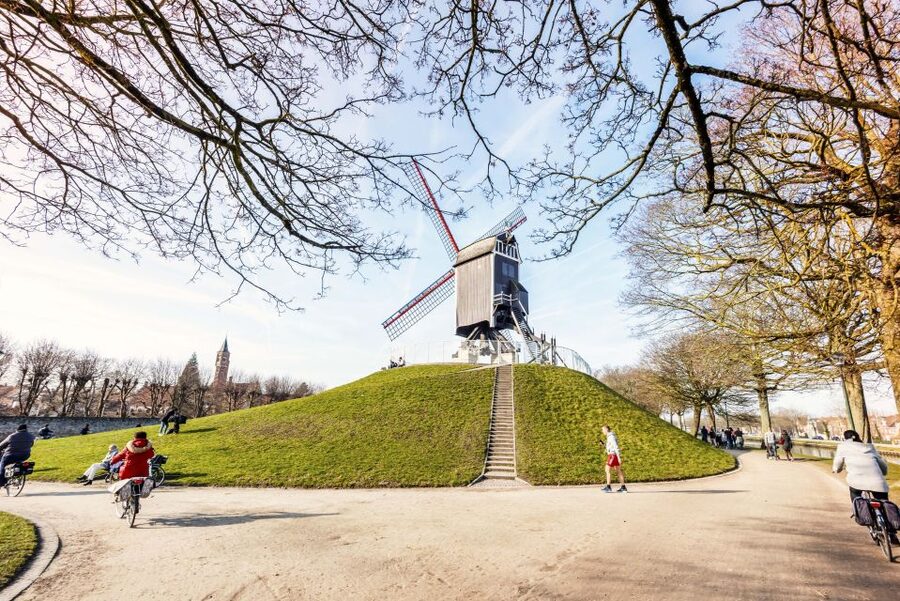
The Sint-Janshuis Mill takes you away from the densest central cluster. It offers a different view of Bruges’ working past and gives the itinerary a more open-air break from museums and historic interiors.
The climb at the mill includes vertiginous steps, so take care. It is not just a quick photo stop, and the physical layout may not suit everyone. The mill is also closed during winter and reopens on April 1, so do not count it toward your value calculation outside the operating season.
The Church of Our Lady of the Pottery adds another religious and heritage site to the pass. It is less famous than the Church of Our Lady, but it extends the story of Bruges’ churches and charitable institutions. If you have three full days, it is easier to fit in. With just one day, prioritize the Belfry, Groeninge, St John’s Hospital, and the Church of Our Lady first.
How to plan the 72 hours
The card is most useful when you avoid treating it like a checklist. Bruges’ attractions are close together, but each visit takes time, and many sites keep similar daytime hours. One practical problem is that several museums close around the same time, so you cannot always save every indoor stop for late afternoon.
For a one-day visit, I would use this order:
- Reserve the Belfry for the morning.
- Visit the Church of Our Lady and St John’s Hospital nearby.
- Stop at Groeninge Museum after lunch.
- Add City Hall or the Liberty of Bruges before closing.
For two days, spread the major sites more comfortably. Add the Gruuthuse Museum, Museum of Folk Life, Gezellehuis, and Our Lady of the Pottery. Use the second day for the places you would otherwise rush.
For three days, you can include the Sint-Janshuis Mill when it is open, then return to the museums that deserve more time. The 72-hour period is particularly useful for slow-paced sightseeing, families, or anyone who wants to stop for meals and walks without losing the value of the pass.
A free audio tour is available through the Musea Brugge website for each location, according to the supplied visitor information. That makes the card more useful for independent sightseeing, since you can add context without joining a formal group.
Is $38 good value?
At $38 per person, the card needs a little planning. The clearest value comes when you visit at least three included attractions. Several individual major entries have recently been around the €15 mark, though admission prices can change. By the second or third substantial museum, the pass can pay for itself, and every additional included stop improves the deal.
The card also saves time. You can go straight to the entrance and scan the QR code instead of buying separate tickets. That is a small convenience, but it matters when you are moving between several sites in one day.
The value is weaker if you only want one or two attractions. It is also weaker if you expect 11 large museums. Some included places are historic churches, civic rooms, or smaller heritage sites. That does not make them unimportant, but you should buy the pass for the complete mix of Bruges culture, not just for a museum count.
Public transportation is not included. In central Bruges, that is rarely a serious problem because the main sites are within a short walking distance of one another. The mill is the notable outlier in the list.
Small practical details that affect your visit
Use the digital card on your phone and consider adding it to your phone wallet. This makes repeated entry easier and avoids handling paper. One unusual technical issue has occurred with the pass appearing in a deleted-cards area after the first day, so keep the original voucher or booking access available as a backup.
Large bags and luggage are not allowed. Assistance dogs are permitted, but other pets are not. Flash photography is also prohibited.
Opening hours are shorter in winter, and at least one major site may close on Monday. Check the official Musea Brugge schedule before arranging your days, especially if you are visiting for only one night. The card remains flexible, but your available museum hours may not be.
The pass has a strong overall satisfaction record, with a rating of 4.6 from 328 reviews. The most consistent praise centers on value, the easy QR scan, the close walking distances, and the way the card encourages spontaneous visits. The main complaints are clear too: not every Bruges museum is included, some sites close together on the same day, and the card can feel expensive if you use only a few entries.
Who should buy the Musea Brugge Card?
I would choose this card if you plan to visit three or more included sites, especially the Belfry, Groeninge Museum, St John’s Hospital, and City Hall. It is also a smart choice for a return visit, since the pass encourages you to explore beyond the most famous postcard views.
Art lovers will appreciate the Flemish collections. History-minded visitors will like the civic buildings, hospitals, churches, and everyday-life displays. Families may value the freedom to make shorter visits without buying another ticket each time.
I would skip it if your Bruges visit is mainly about walking, canals, food, and one landmark. I would also check the seasonal timetable before buying if the mill is important to you. Remember that some museums are not accessible to wheelchair users, and the Belfry requires a strenuous climb.
FAQ
How long is the Musea Brugge Card valid?
The card is valid for 72 hours after activation.
How many attractions are included?
The card includes one-time entry to 11 museums and monuments in Bruges.
Can I use the card at the Belfry?
Yes. The Belfry, including the carillon tower, is included. Reserving a free time slot online is recommended.
Do I need to collect a physical card?
No. You can activate the card by scanning the voucher at an included attraction. A digital QR code is sufficient.
Can I activate the card later?
Yes. You can activate the Musea Brugge Card up to one year after purchase.
Is public transportation included?
No. Public transportation is not included with the card.
Is the Sint-Janshuis Mill open all year?
No. The mill is closed during winter and opens on April 1.
Are all the included museums wheelchair accessible?
No. Some sites, including the Gruuthusemuseum, are not wheelchair accessible.
Can I cancel the booking?
Yes. You can cancel up to 24 hours in advance for a full refund.
Should you book the Musea Brugge Card?
Book it if you want to see Bruges from several angles and can commit to at least three included sites. The best plan is to reserve the Belfry, then combine the Groeninge Museum, St John’s Hospital, Church of Our Lady, and City Hall across one to three days.
Skip it if you only want a short stroll through the center or if most of the listed sites are not on your wish list. For $38, the card is not a magic ticket to every museum in Bruges, but used well, it is an efficient and worthwhile way to connect the city’s art, buildings, institutions, and everyday culture.
Just added in Bruges
- Unknown Bruges: A Self-Guided Audio Tour to the Heart of the Medieval Metropole★ 5.0 · 1 review
- Tour of Historical Bruges knowing The Jerusalem Chapel★ 5.0 · 2 reviews
- Ticket Expo Body Worlds in Bruges, Belgium★ 4.5 · 11 reviews
- 2-Hour Private Walking Tour of Bruges★ 5.0 · 13 reviews
- 6 Hour Bruges Shore Excursion from Zeebrugge Cruise Port★ 4.5 · 23 reviews
- The Waffles ‘n Coffee Breakfast in Bruges Centre★ 4.5 · 9 reviews
- Explore the Instaworthy Spots of Bruges with a Local★ 5.0 · 3 reviews
- Discover Bruges with a self-guided Outside Escape city game tour!★ 5.0 · 4 reviews
Museums, compared.
Atomium Entry Ticket with Design Museum Ticket
Read our review →
Choco-Story Brussels: Chocolate Museum Entrance with Tasting
Read our review →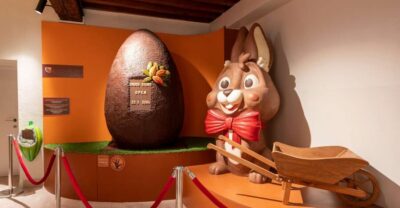
Choco-Story Chocolate Museum Guided Tour w/Tastings
Read our review →
2.5-Hour Chocolate Museum Visit with Workshop
Read our review →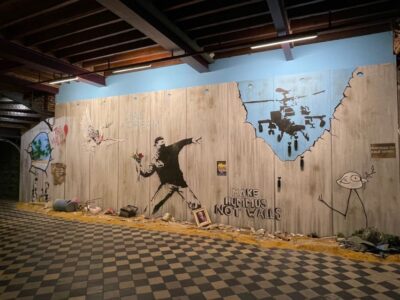
The World of Banksy Museum Permanent Exhibition
Read our review →

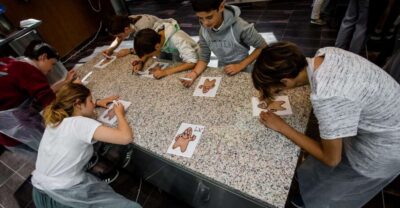
Chocolate Making Workshop and Chocolate Museum Entry
Read our review →Browse the lists this tour appears in