Reviewed · BRUSSELS TOURS
Brussels: a stroll to discover hidden gems
Brussels keeps a few cards up its sleeve. This 150-minute walk with Brussels-born guide Eric goes beyond the usual monuments, pairing familiar sights with odd corners, old walls, secret facades, and stories that rarely appear in guidebooks. I especially like the local details about the vanished river and Belgian fries, plus the chance to see the city through someone who grew up there.
I also like the small group of up to 10 people, which gives Eric room to answer questions and point out details you could easily miss alone. The main drawback is the pace and pavement: you cover a good stretch of central Brussels, and the city’s sidewalks can be difficult for wheelchair users despite the tour being listed as wheelchair accessible.
In This Review
- Key things to know before you book
- Why this Brussels walk feels different
- Starting at Central Station with Brussels beneath your feet
- St. Michael and St. Gudula: light, legends, and executions
- Mont des Arts and the city’s grand viewpoint
- Coudenberg Palace and the city under the city
- The Sablon and a devilish tale
- Rue des Alexiens and the pleasure of looking through a keyhole
- Saint-Géry and the story of Brussels’ river
- Ending at Grand Place, with Brussels’ best-known bourgeois
- What $100 buys you in two and a half hours
- Who will enjoy this walk most
- Should you book Eric’s Brussels walk?
- FAQ
- Where does the Brussels walking tour start?
- Where does the tour finish?
- How long does the experience last?
- What languages does the guide speak?
- How many people can join the tour?
- Is the tour wheelchair accessible?
- Are food and drinks included?
- Can I cancel the booking?
Key things to know before you book
- Eric brings a local’s eye: He was born in Brussels and shares stories about places that do not reveal themselves at first glance.
- The route covers a lot: You walk from Central Station through the cathedral, Mont des Arts, Coudenberg, the Sablon, Rue des Alexiens, Saint-Géry, and Grand Place.
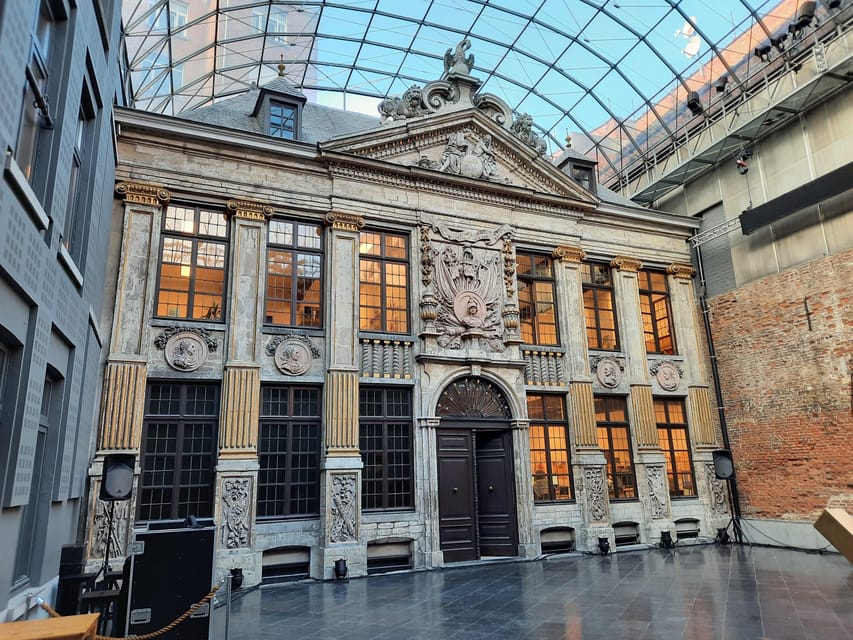
- Expect unusual history: The walk touches on 16th-century executions, a river that disappeared twice, a royal bunker, forgotten walls, and a palace now used as a parking lot.
- The group stays small: With no more than 10 participants, the experience should feel more like a personal walk than a standard city procession.
- Food advice is part of the fun: Eric can suggest authentic Brussels places for beer and fries, including the true story behind Belgian fries.
- Wear sensible shoes: The route lasts two and a half hours, and Brussels paving is not always kind to tired feet.
Why this Brussels walk feels different
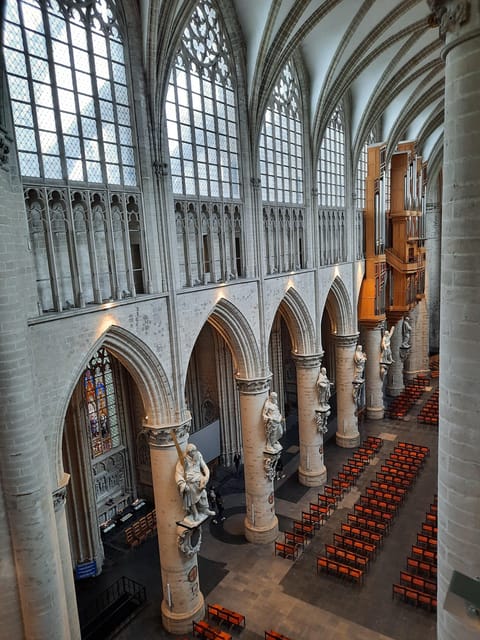
Brussels has plenty of grand sights. The Grand Place, cathedral, royal quarter, and Mont des Arts are all worth seeing. But the city becomes more interesting when you learn what sits just beyond the formal view: a door that opens onto an unexpected facade, a keyhole that frames something unusual, or a leftover piece of a river that once shaped the city.
That is the central appeal here. You are not simply moving from one famous building to another. Eric uses the main sights as anchors, then adds local stories and small discoveries around them.
The experience is conducted in English, French, Spanish, or Dutch. Some material may be shown in its original language, so you may occasionally see or hear something without a full translation. That is not necessarily a problem, but it is worth knowing if you want every detail in English.
At $100 per person, this is not a cheap orientation walk. The value depends on what you want. If you only need a quick introduction to central Brussels, a free walk or self-guided route will cost less. If you enjoy local storytelling and want details you would likely miss on your own, the private knowledge and small group make the price easier to justify.
More things to do in Brussels:
- Brussels: Atomium Entry Ticket with Design Museum Ticket
★ 4.4 · 9,254 reviews - From Brussels: Guided Day Trip to Bruges and Ghent
★ 4.6 · 8,353 reviews - From Brussels: Bruges & Ghent Day Tour – 2 Fairytale Cities
★ 4.7 · 8,242 reviews
Starting at Central Station with Brussels beneath your feet
The meeting point is in front of the Hilton Hotel entrance near Gare Centrale. Look for Eric’s sky-blue lanyard. The tour can also begin at your hotel, according to the activity details, so confirm the exact arrangement when you book.
Starting at Central Station is practical. It places you right in the middle of Brussels, with the historic center close at hand. It also makes this an easy first activity after arriving by train, though I would avoid scheduling it with heavy luggage. The walk is on foot, and the route includes several historic areas rather than one compact square.
Eric’s opening stories set the tone. Brussels is more than a thousand years old, yet its modern character comes from a much shorter and often surprising past. You can expect the conversation to move between medieval events, royal connections, ordinary city life, and the habits of people who live here now.
This is a good point to ask Eric about food and drinks for later. He can direct you toward places for beer and fries that feel genuinely Brussels rather than simply convenient for visitors.
St. Michael and St. Gudula: light, legends, and executions
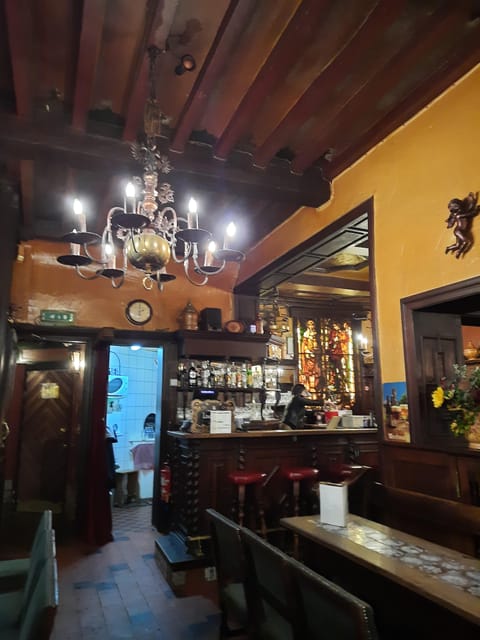
The Cathedral of St. Michael and St. Gudula is one of the route’s major landmarks. It gives the walk a grand start, but Eric’s approach is not just to admire the stonework and move on.
You will hear about how the sun enters the cathedral, a detail that connects the building to light, design, and the passage of the day. The tour also covers a story about why people were beheaded in the 16th century. That darker detail helps put the city’s polished center in perspective. Brussels was not always the agreeable capital you see today.
The cathedral stop is guided rather than simply passed from the outside. Still, this is not advertised as a full museum visit or a specialist architectural lecture. You should expect selected stories and observations that fit into a larger walking route.
If you want to spend a long time studying chapels, artwork, or architectural details, you may prefer to return on your own. The benefit here is context. Eric gives you reasons to look again, then keeps the walk moving.
Mont des Arts and the city’s grand viewpoint
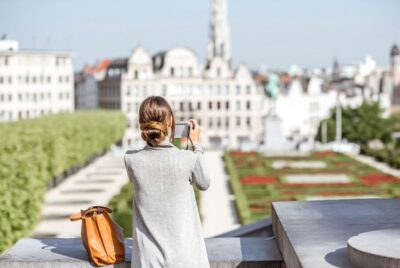
Mont des Arts is one of the most recognizable outlooks in central Brussels. It connects the upper and lower parts of the city and offers a useful pause in the route.
This is where the tour’s broader view of Brussels works well. The setting feels formal and impressive, but the stories can lead you away from postcard scenery and toward the city’s less obvious layers. Eric may point out details you would pass without noticing, helping you see Brussels as a place shaped by old decisions, changing power, and practical modern use.
The route covers a lot of ground, and Maeve from the United Kingdom specifically praised how much she saw during the walk. That is useful guidance for planning your day. You will not be standing in one place for most of the 150 minutes. If you prefer a slow, highly detailed stop at each monument, this may feel brisk.
For most people, the pace is a strength. You get a broad introduction without spending half a day inside a single building.
A completely different kind of day:
- Choco-Story Brussels: Chocolate Museum Entrance with Tasting
★ 4.3 · 4,883 reviews - Bruges and Ghent – Belgium’s Fairytale Cities – from Brussels
★ 4.0 · 4,809 reviews - Brussels: Hop-On Hop-Off Bus Tour
★ 4.0 · 4,016 reviews - Brussels: Entry Ticket to Mini-Europe
★ 4.5 · 2,870 reviews
Coudenberg Palace and the city under the city
The Coudenberg Palace stop adds a royal chapter. Brussels has royal associations above ground, but Coudenberg also brings in the idea of what has disappeared, been covered over, or changed purpose.
The stories connected with this part of the route include a royal bunker and a palace used as a parking lot. Those details capture the strange relationship Brussels has with its past. Important places can be hidden, altered, or put to very ordinary use. The result is a city where history does not always come with a clear sign.
You may also see forgotten walls or traces that make more sense once Eric explains them. This is the kind of stop where a local guide earns the fee. Without context, an old fragment can look like construction debris. With the right explanation, it becomes evidence of another Brussels.
Admission to museums and attractions is not included. The activity describes guided visits and visits to little-known places, but you should not assume that every interior or paid site is part of the price. If Eric points out somewhere you want to explore in depth, plan for a separate return visit and possible entry fee.
The Sablon and a devilish tale
The Church of Our Blessed Lady of the Sablon brings another major building into the walk. It is also the setting for a story about how the devil created a saint, one of the many unusual legends Eric uses to make Brussels memorable.
This is a good example of the tour’s tone. You are not getting only dates and names. You are getting the kind of story that helps you remember a place after the walk is over. Some tales may sound strange, but that is part of the pleasure of older European cities. Local history is often a mix of fact, belief, politics, and storytelling.
The church is also another chance to consider the difference between seeing a landmark and understanding its place in the city. Eric’s anecdotes add a human scale to the formal setting.
As with the cathedral, the stop is not a substitute for an extended independent visit if church art or architecture is your main interest. The route’s purpose is variety, and the next unusual corner is always waiting.
Rue des Alexiens and the pleasure of looking through a keyhole
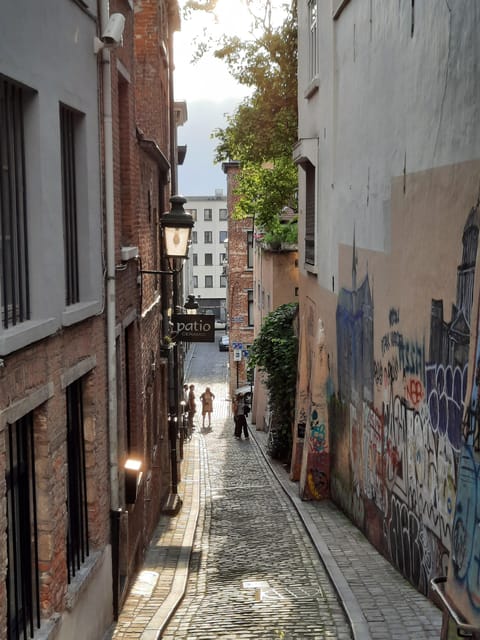
Rue des Alexiens is where the walk’s small discoveries become especially important. Here, you may push open doors or look through keyholes to find facades and spaces that are not obvious from the street.
That sounds simple, but it changes how you walk through Brussels. You begin to check walls, entrances, and gaps instead of looking only at the largest building in front of you. Eric knows where to pause and what to show you. These are details you would likely skip without a guide who has spent years paying attention.
The route also includes forgotten walls and other places that do not announce themselves to the public. That makes this section especially good for repeat visitors who have already seen Grand Place and the major central sights.
There is a small practical limitation: you need to stay alert and close to the group. A doorway or narrow view can be easy to miss if you are distracted, taking photos, or walking at the back.
Saint-Géry and the story of Brussels’ river
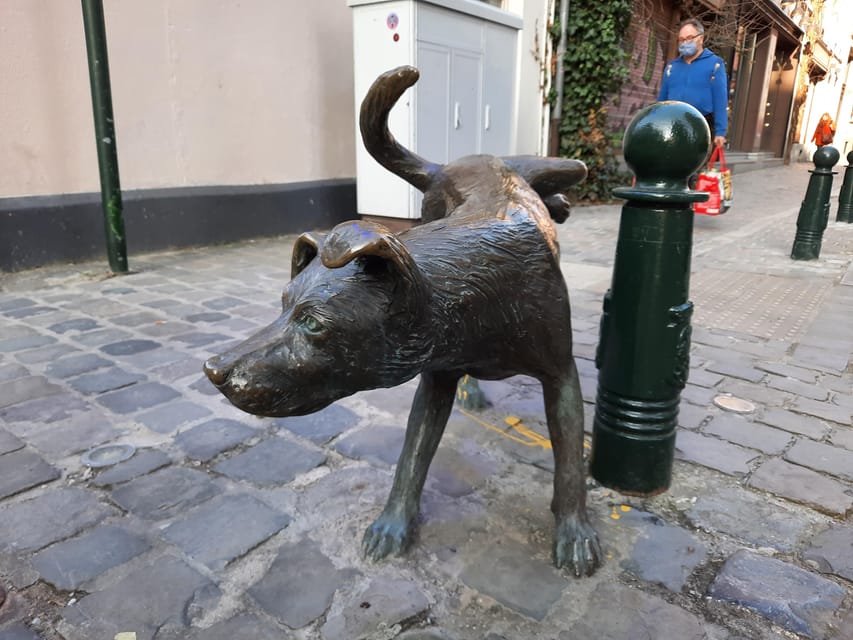
Halles de Saint-Géry is the last major stop before Grand Place. It is linked to one of the tour’s most curious subjects: a river that disappeared twice but left part of itself behind.
That story gives you a different way to understand Brussels. Cities are shaped by water, roads, trade, and public works, yet modern streets often hide those origins. The tale of the vanished river explains why the city can feel full of clues without always making them easy to read.
Saint-Géry also helps shift the mood toward everyday Brussels. After royal history, churches, legends, and old walls, you are back in a place connected with city life and local food and drink. This is a good moment to ask Eric where to go for fries or a beer after the tour.
The route does not include meals or drinks, so budget separately for that. The useful part is the advice. A local suggestion can save you from choosing a place based only on a large menu or a convenient location.
Ending at Grand Place, with Brussels’ best-known bourgeois
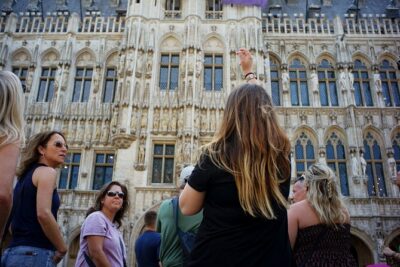
The tour ends around Grand Place, the obvious climax for a first visit to Brussels. By this point, you will have seen the square with more context than you would get from arriving cold.
If you behave, Eric may also tell you the little-known story of Brussels’ most famous bourgeois. That playful promise fits the rest of the walk. The city’s best-known symbols become more entertaining when paired with human stories and local mischief.
Grand Place is also a useful ending point because you can continue into the center on your own. You will already be near many places to eat and drink, though Eric’s suggestions may steer you toward more authentic choices.
The tour does not return you to Central Station. It finishes around Grand Place, so plan your next move from there. This is easy enough for most visitors, but it matters if you have a train to catch or a timed reservation.
What $100 buys you in two and a half hours
The price is easiest to judge by comparing the experience with a standard sightseeing walk. You are paying for three things: a Brussels-born guide, access to stories and viewpoints that are hard to find alone, and a small group limited to 10 people.
The strongest value comes if you like local anecdotes. Eric covers why 16th-century executions happened, how the sun reaches the cathedral, why a river vanished, how an emperor ennobled a fountain, and how the devil created a saint. He also knows odd places such as a royal bunker, forgotten walls, and a palace turned into a parking lot.
That is a lot for 150 minutes. The tradeoff is that no single stop receives a long, expert-level treatment. You get a lively selection of Brussels stories rather than a full historical course.
I would book it early in a Brussels visit if you want help choosing where to eat and what to explore afterward. I would skip it if you dislike walking, prefer to set your own pace, or mainly want paid museum interiors.
Who will enjoy this walk most
This experience suits first-time visitors who want an orientation with personality. It also works well for repeat visitors who have already covered the obvious monuments and now want to notice less visible parts of central Brussels.
Couples, solo visitors, and small family groups should appreciate the limited group size. Eric speaks four languages, which makes the tour useful for mixed-language parties.
You need comfortable shoes and comfortable clothing. Check the forecast before setting out, bring water, and carry a camera if you enjoy recording small details. The tour is outdoors for much of its duration, so weather will affect your comfort.
Wheelchair users should contact the provider before booking. The activity is marked wheelchair accessible, but the practical note warns that Brussels sidewalks are not very wheelchair-friendly. That is an important qualification, not a minor footnote.
The experience is not designed for party groups, bachelor or bachelorette groups, or anyone bringing weapons, sharp objects, alcohol, or drugs. Smoking and littering are also not allowed.
Should you book Eric’s Brussels walk?
I would book this tour if you want Brussels to feel less like a checklist of monuments and more like a city full of odd clues. Eric’s local background, strong storytelling, and attention to places you might otherwise miss are the main reasons to choose it.
The price is fair for a small group and a guide who can add personal knowledge to a wide route, though it is more than you need for a basic introduction. Go with comfortable shoes, keep your eyes open at doors and keyholes, and leave room afterward for the fries and beer Eric recommends.
This is best for curious walkers who enjoy stories, surprises, and a steady pace. It is less suitable for anyone needing a slow route, extensive indoor sightseeing, or completely smooth sidewalks.
FAQ
Where does the Brussels walking tour start?
The meeting point is in front of the Hilton Hotel entrance near Gare Centrale, or Central Station. The guide wears a sky-blue lanyard.
Where does the tour finish?
The walk ends around Brussels’ Grand Place.
How long does the experience last?
The tour lasts 150 minutes, or two and a half hours.
What languages does the guide speak?
The live guide can conduct the tour in French, English, Spanish, or Dutch.
How many people can join the tour?
The group is limited to 10 participants.
Is the tour wheelchair accessible?
The activity is listed as wheelchair accessible, but the practical information warns that Brussels sidewalks are not very wheelchair-friendly. Contact the provider before booking to discuss your needs.
Are food and drinks included?
No. Meals and drinks are not included, though Eric can suggest authentic Brussels places for beer and fries.
Can I cancel the booking?
You can cancel up to 24 hours in advance for a full refund. The activity also allows you to reserve now and pay later.
Just added in Brussels
- Transfer from BRU Airport to Brussels city (any hotel or address)★ 5.0 · 1 review
- Standard vehicle from Brussels airport to city of Antwerp★ 5.0 · 4 reviews
- Standard Minivan from Brussels airport to city of Antwerp★ 5.0 · 1 review
- Private transfer from BRU Airport – Brussels GO BACK MB V-CLASS 7 PAX★ 5.0 · 2 reviews
- Private transfer from Brussels Airport to Brussels city Business car★ 5.0 · 1 review
- Transfer Brussels Airport -> Antwerp MB V-CLASS 7 PAX★ 5.0 · 1 review
- Private transfer from BRU Airport to Bruges with Mercedes V class 7 pax★ 5.0 · 1 review
- Private transfer from BRU Airport to Bruges with luxury limousine 3 pax★ 5.0 · 1 review
Brussels Tours, compared.
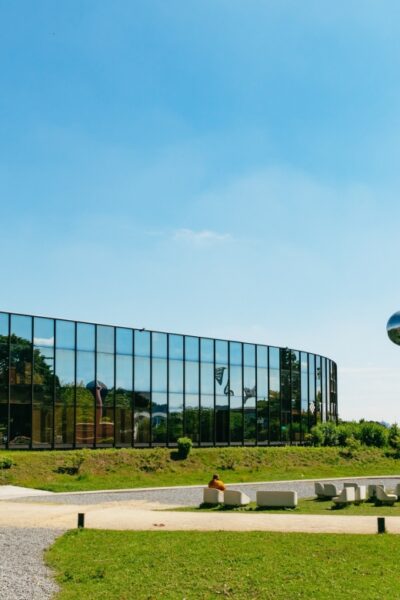
Atomium Entry Ticket with Design Museum Ticket
Read our review →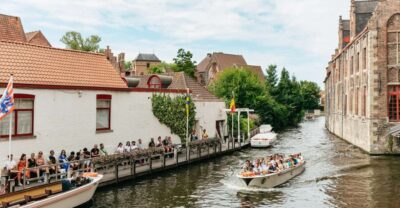
From Brussels: Guided Day Trip to Bruges and Ghent
Read our review →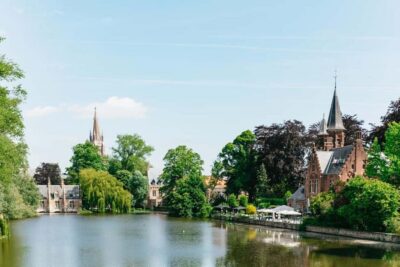
From Brussels: Bruges & Ghent Day Tour – 2 Fairytale Cities
Read our review →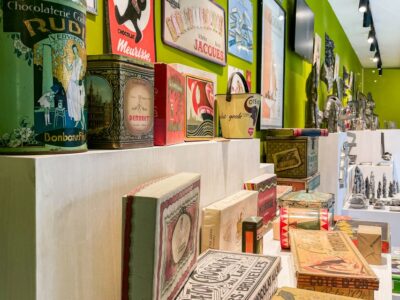
Choco-Story Brussels: Chocolate Museum Entrance with Tasting
Read our review →
Bruges and Ghent – Belgium’s Fairytale Cities – from Brussels
Read our review →