
Reviewed · MUSEUMS
Brussels: BELvue Belgium History Museum Entry Ticket
Belgium makes a fine museum subject. The BELvue Museum turns the country’s complicated story into seven clear themes, from democracy and prosperity to language, migration, and Europe. I like the easy self-guided format, and I like the gallery of more than 200 everyday and iconic Belgian objects. The main drawback is that the displays can feel dense, especially if you try to read and watch everything.
Set beside the Royal Palace, this is a handy Brussels stop for anyone who wants more than chocolate, beer, and grand squares. The free audio guide helps you set your own pace, but the museum can feel long and visually busy if you are not especially fond of history museums.
In This Review
- Key points at a glance
- A clear introduction to Belgium beside the Royal Palace
- Seven rooms that explain a complicated country
- Democracy
- Prosperity
- Solidarity
- Pluralism
- Migration
- Language
- Europe
- The object gallery turns history into daily life
- Videos, charts, and an audio guide you control
- Is the $11 ticket good value?
- Who will get the most from this museum?
- A practical plan for your visit
- Should you book the BELvue Museum?
- FAQ
- Where is the BELvue Museum located?
- How much does entry cost?
- How long is the ticket valid?
- Is an audio guide included?
- Which languages are available for the audio guide?
- Is a live guide included?
- What does the museum cover?
- Does the museum have displays for children?
- Is the museum wheelchair accessible?
- Can I cancel my booking?
- Are pets allowed?
Key points at a glance
- Seven rooms explain modern Belgium: The themes give you a useful route through politics, society, language, migration, and European identity.
- Over 200 Belgian objects: Coffee filters, electric fryers, Val Saint-Lambert crystal, and a football signed by the Red Devils connect national history with ordinary life.
- Audio guide on your phone: You can listen in Dutch, English, French, German, or Italian, according to the activity information.
- A good companion to the Royal Palace: The entrance is next to the palace, making it easy to pair both sights in one central Brussels outing.
- Works for families and solo visits: Videos, charts, objects, and personal testimonies give you several ways to engage with the subject.
- Useful flexibility: Your ticket is valid for one day, with free cancellation up to 24 hours before the visit and a reserve-now, pay-later option.
A clear introduction to Belgium beside the Royal Palace
The BELvue Museum is a practical first stop if Belgium’s story feels hard to organize. The country has several official languages, a complex political system, changing social divisions, and a close relationship with Europe. Instead of presenting a long parade of dates, the museum arranges its material around seven ideas: democracy, prosperity, solidarity, pluralism, migration, language, and Europe.
That structure matters. You do not need to arrive with a detailed knowledge of Belgian politics or history. Each room gives you a broad question to consider, then backs it up with news clips, posters, charts, graphs, and contemporary testimonies.
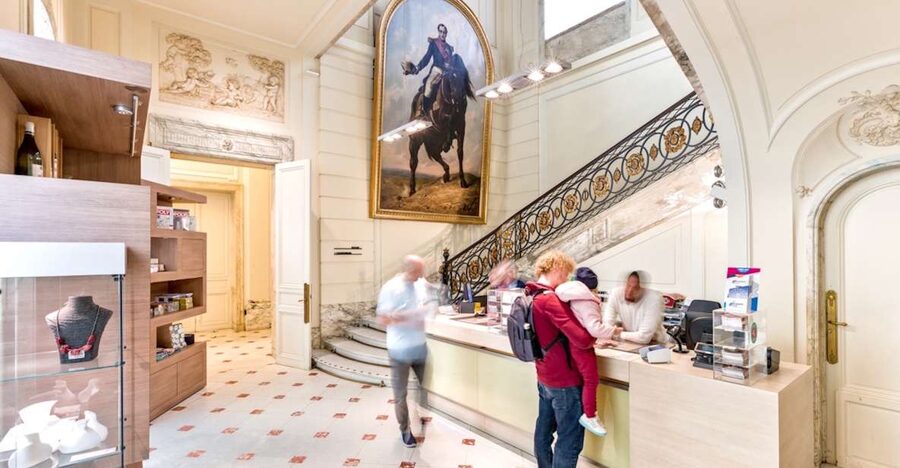
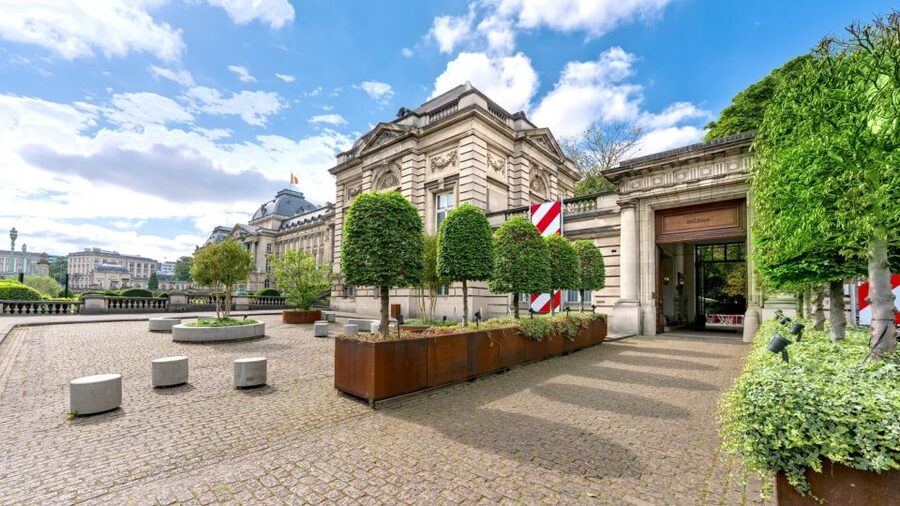
The setting helps too. The entrance is next to the Royal Palace, so you can combine a visit with the palace area without crossing Brussels from end to end. There is no hotel pickup or drop-off, and no live guide is included. You simply make your way to the museum and explore independently.
I see this as a useful museum for a first Brussels visit, particularly if you want context for things you will notice elsewhere. The country’s languages, political regions, social services, and European connections can seem puzzling from the outside. BELvue gives you a framework for understanding them.
More History Tours in Brussels
- Brussels: Historical Walking Tour with Chocolate & Waffle Tasting
★ 5.0 · 1,165 reviews - Brussels: Historical Tour with Chocolate & Waffle Tasting
★ 4.8 · 642 reviews - Historical Walking Tour: The Story of Brussels – by Legends
★ 5.0 · 164 reviews
Seven rooms that explain a complicated country
The first seven themed rooms are the heart of the visit. They are not seven separate historical periods. Instead, they look at different forces that shaped Belgium and still affect daily life.
Democracy
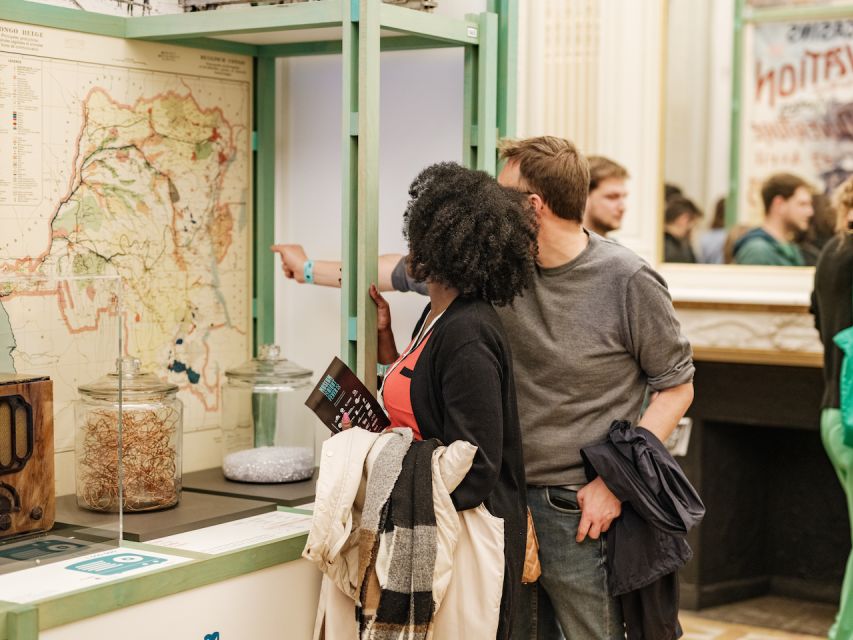
The democracy room helps you think about how Belgium is governed and how public life has developed. News clips and visual material make the subject less abstract than a wall of political dates.
If you are interested in how a country organizes itself, this section should be rewarding. It also gives useful background for understanding Belgium’s regional and linguistic divisions. The displays may ask you to stop and study a chart or video, so do not expect a quick glance to reveal everything.
Prosperity
The prosperity section shifts attention toward living standards, work, consumption, and economic life. This is where the museum connects big national changes with things you can recognize from ordinary households and shopping habits.
The object collection adds weight to this theme. A coffee filter or an electric fryer may seem humble, but familiar objects can tell you more about changing habits than a formal political speech. I like this approach because it makes the story feel close to home.
More Museum Tours in Brussels
- Brussels: Atomium Entry Ticket with Design Museum Ticket
★ 4.4 · 9,254 reviews - Choco-Story Brussels: Chocolate Museum Entrance with Tasting
★ 4.3 · 4,883 reviews - Brussels: 2.5-Hour Chocolate Museum Visit with Workshop
★ 4.6 · 1,263 reviews - Brussels: The World of Banksy Museum Permanent Exhibition
★ 4.7 · 636 reviews
Solidarity
Solidarity looks at how Belgian society supports its people. The museum specifically uses videos to explain social security, an important part of modern Belgian life.
This is one of the better reasons to use the audio guide or spend time with the video material. Social security systems can be hard to understand when you only read a short description. Hearing the subject explained alongside charts and personal accounts gives you a clearer sense of how society responds to risk and need.
Pluralism
Pluralism addresses the fact that Belgium is not a single, uniform culture. Different communities, political views, and identities exist side by side, sometimes comfortably and sometimes with tension.
The museum does not treat national identity as a simple slogan. Its displays encourage you to consider how a small country can contain several traditions and viewpoints. This room may be especially useful for families or groups, since it creates natural talking points rather than requiring everyone to move silently from object to object.
Migration
Migration brings another important part of Belgian society into view. The theme helps place present-day Belgium in a wider story of movement, arrival, and changing communities.
You can use the posters, videos, charts, and contemporary testimonies to approach the subject from several angles. The museum’s strength here is variety. You are not limited to one official voice or one type of evidence.
Language
Language is essential to understanding Belgium, and the museum gives it a full room of its own. The displays explain the country’s spoken languages and show why language remains tied to identity and public life.
This is a particularly helpful stop for anyone who has noticed Dutch, French, and German in Belgium but does not understand their wider significance. The room should make the country’s linguistic structure easier to follow, even if you are starting with little background.
Europe
The final theme places Belgium in its European setting. The country’s identity is not only national. Its institutions and public life also connect to the larger European project.
This section rounds out the visit by showing that Belgium’s story does not end at its borders. If you are visiting Brussels because of the city’s role in Europe, this room gives the national picture a useful final layer.
The object gallery turns history into daily life
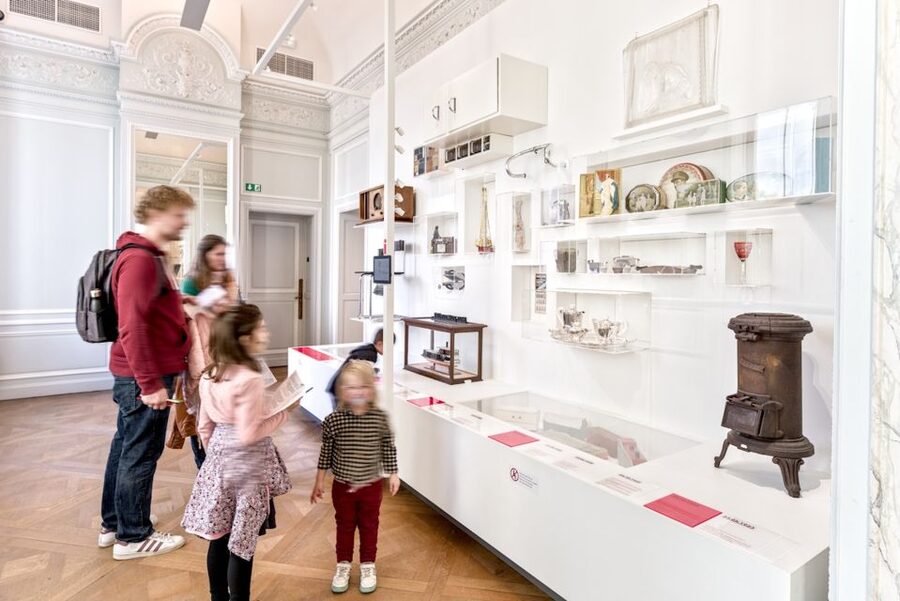
After the seven themes, make time for the gallery. More than 200 objects present what the museum calls the material memory of Belgium. This is often the most immediately enjoyable part because you can understand many objects at a glance.
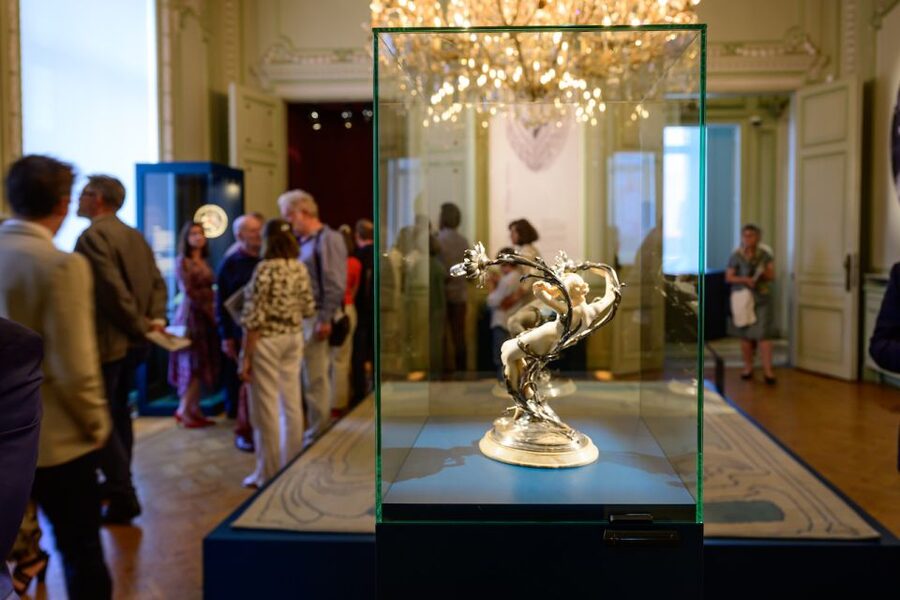
You might see a coffee filter, an electric fryer, or Val Saint-Lambert crystal vases. These items cover very different parts of Belgian life, from kitchen habits to decorative design. They also keep the museum from feeling like a sequence of political lessons.
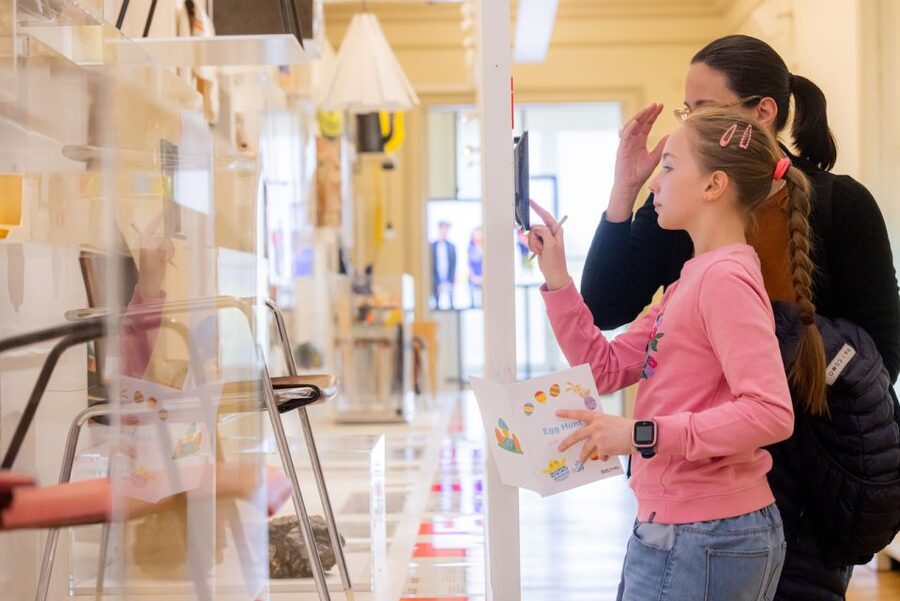
Football fans get a clear highlight: a ball signed by the Red Devils. That small touch broadens the appeal of the collection and gives children a familiar point of entry. A child who has little patience for graphs may still stop for the football.
The gallery also helps you notice how national identity works. It is not only flags, leaders, and major events. It can appear in a household tool, a piece of crystal, a sporting object, or a product people associate with home.
Give yourself enough time here, but do not feel obliged to study every item equally. One practical approach is to choose the objects that interest you, then use the audio guide for added context. The displays can place a lot in front of you at once, and trying to give every object the same attention may make the visit tiring.
Videos, charts, and an audio guide you control
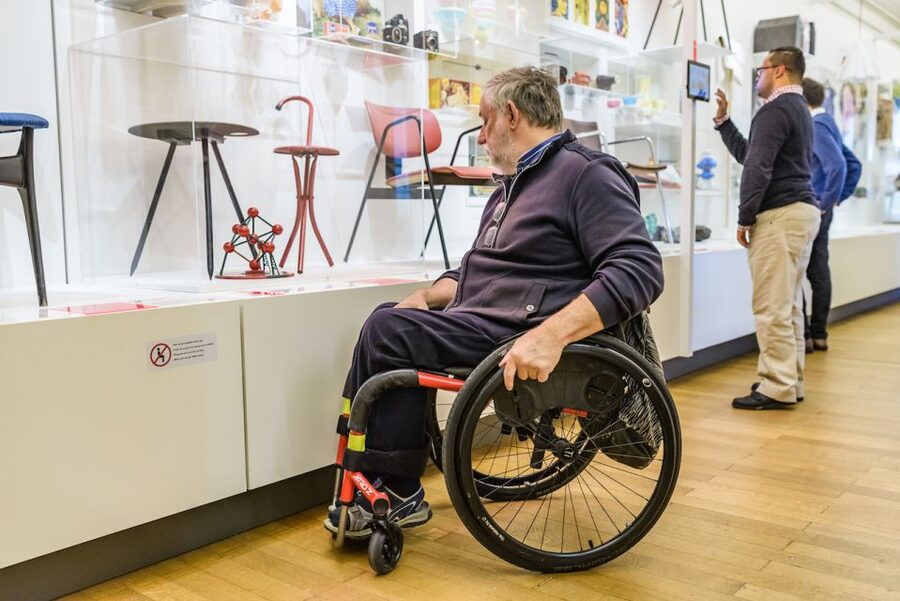
BELvue uses several media types, which is good news if you learn better through pictures or sound than through long text. You can watch news clips, look at posters, follow charts and graphs, and hear contemporary testimonies.
The free audio guide is designed for your own mobile phone. This keeps the visit flexible. You can pause, replay, or move ahead without waiting for a group. It also means you should arrive with your phone ready and remember that the guide is not a person leading you through the museum.
The supplied information lists Dutch, English, French, German, and Italian for the audio guide, while another inclusion note refers to four languages. If language support matters greatly to you, confirm the current selection before booking. English is listed among the available choices.
The self-guided format suits different kinds of visits. I would use the audio guide for the seven themes, then explore the object gallery at my own pace. Families can shorten the more text-heavy sections and focus on videos and objects. Solo visitors can take as long as they like without holding up anyone else.
A small caution: one recent assessment described the museum as attractive but long, with many things competing for attention. That is fair. You may not know where to look first when a room contains objects, screens, charts, and text panels together. A selective approach works better than trying to absorb every detail.
Is the $11 ticket good value?
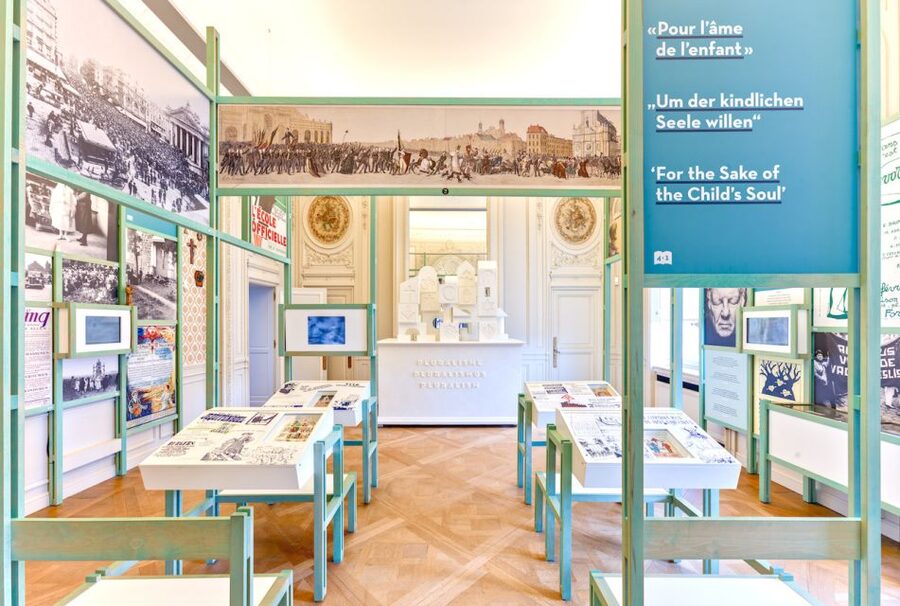
At $11 per person, the ticket is reasonably priced for a central Brussels museum with a full day of validity. The value is strongest if you care about understanding Belgium rather than simply filling an hour between major sights.
You receive entry, a visitor information booklet, and the audio guide at no extra charge. There is no private guide, transport, or hotel service, so the low price reflects a simple museum visit rather than a packaged tour.
The one-day validity gives you useful freedom, though the supplied details do not give a fixed visit length. You can check available starting times when booking. If your day is packed with the Royal Palace, Grand Place, galleries, and restaurants, you may only have time for a shorter look. In that case, the ticket still makes sense if you focus on the seven themes and a few objects.
The museum is less compelling for someone who dislikes history displays entirely. One recent booking from France described it as beautiful and appreciated by a companion, but also long and full of competing material. That is a good warning, not a deal breaker. Go with a plan, and the price feels fair.
Who will get the most from this museum?
I would recommend BELvue to you if you want a better grasp of Belgium’s society, not just its famous sights. It suits first-time visitors who want national context, families looking for a museum with visual material, and anyone curious about language and social security.
It also works well for a mixed group. One person can follow politics, another can focus on design objects, and a child can look for the football. The range of material gives everyone a possible entry point.
You may want to skip it if you have very little time in Brussels and prefer art, architecture, or food. The museum asks for attention, and its displays can feel crowded. It is not a quick photo stop.
Wheelchair access is available. If you plan to arrive with a wheelchair, contact the museum in advance so staff can make the right preparations. Pets are not allowed, although assistance dogs are permitted.
A practical plan for your visit
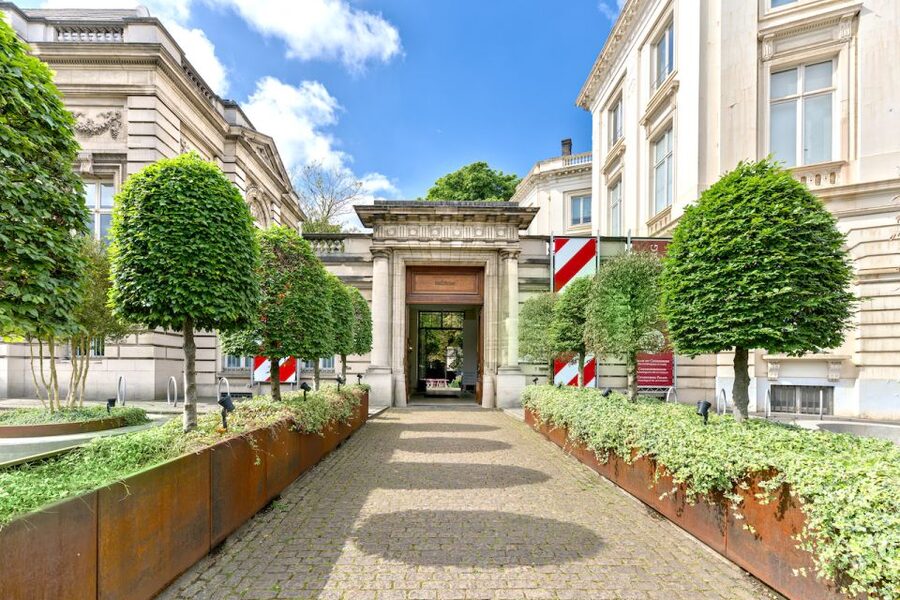
Start beside the Royal Palace and allow enough time to move through the seven rooms without rushing. Begin with the themes that interest you most, then return to the gallery for the objects that catch your eye.
Use the booklet to get your bearings, then start the audio guide on your phone. You do not need to listen to every track. Select the sections that explain points you find confusing, especially language, social security, or Belgium’s place in Europe.
If you are visiting with children, make the object gallery part of the plan rather than treating it as an afterthought. Ask them to find the electric fryer, coffee filter, crystal vases, or signed football. Those objects can make the larger social themes easier to discuss.
The activity is wheelchair accessible, but advance notice is requested for visitors using a wheelchair. Assistance dogs are allowed, while other pets are not. You can cancel up to 24 hours before the visit for a full refund, and the reserve-now, pay-later option keeps your plans flexible.
Should you book the BELvue Museum?
Book it if you want Belgium explained in plain themes, with enough objects and video material to keep the subject grounded. The $11 price, central location, and free audio guide make it a sensible addition to a Brussels sightseeing day.
Go in expecting a thoughtful, sometimes dense museum rather than a fast attraction. If you choose a few themes, listen selectively, and give the object gallery proper time, you will get a useful picture of the country behind the postcards. If your interest in history is low, keep your visit focused and let the everyday objects carry the experience.
FAQ
Where is the BELvue Museum located?
The entrance is next to the Royal Palace in Brussels.
How much does entry cost?
The listed price is $11 per person.
How long is the ticket valid?
The ticket is valid for one day.
Is an audio guide included?
Yes. A free downloadable audio guide is included for use on your own mobile phone.
Which languages are available for the audio guide?
The activity information lists Dutch, English, French, German, and Italian. One inclusion note refers to four languages, so you may want to confirm the current selection if language access is important to you.
Is a live guide included?
No. A guide is not included. The visit is self-guided with the booklet and audio guide.
What does the museum cover?
The museum presents Belgium through seven themes: democracy, prosperity, solidarity, pluralism, migration, language, and Europe.
Does the museum have displays for children?
The museum offers an experience for visitors with children. Its videos, objects, and visual displays provide several ways for younger visitors to engage.
Is the museum wheelchair accessible?
Yes, the museum is wheelchair accessible. If you are visiting with a wheelchair, let the museum know in advance so staff can make the right preparations.
Can I cancel my booking?
Yes. You can cancel up to 24 hours in advance for a full refund. A reserve-now, pay-later option is also available.
Are pets allowed?
Pets are not allowed. Assistance dogs are permitted.
Just added in Brussels
- Transfer from BRU Airport to Brussels city (any hotel or address)★ 5.0 · 1 review
- Standard vehicle from Brussels airport to city of Antwerp★ 5.0 · 4 reviews
- Standard Minivan from Brussels airport to city of Antwerp★ 5.0 · 1 review
- Private transfer from BRU Airport – Brussels GO BACK MB V-CLASS 7 PAX★ 5.0 · 2 reviews
- Private transfer from Brussels Airport to Brussels city Business car★ 5.0 · 1 review
- Transfer Brussels Airport -> Antwerp MB V-CLASS 7 PAX★ 5.0 · 1 review
- Private transfer from BRU Airport to Bruges with Mercedes V class 7 pax★ 5.0 · 1 review
- Private transfer from BRU Airport to Bruges with luxury limousine 3 pax★ 5.0 · 1 review
Museums, compared.
Atomium Entry Ticket with Design Museum Ticket
Read our review →
Choco-Story Brussels: Chocolate Museum Entrance with Tasting
Read our review →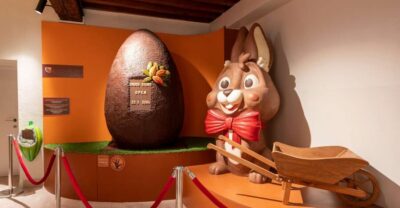
Choco-Story Chocolate Museum Guided Tour w/Tastings
Read our review →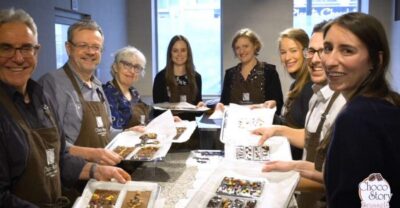
2.5-Hour Chocolate Museum Visit with Workshop
Read our review →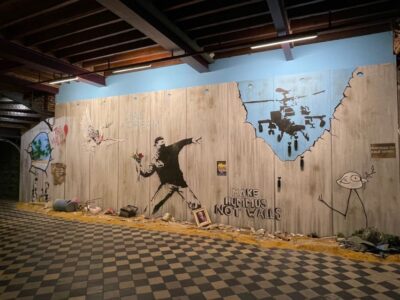
The World of Banksy Museum Permanent Exhibition
Read our review →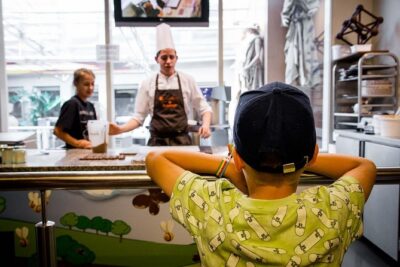
Chocolate Making Workshop and Chocolate Museum Entry
Read our review →Browse the lists this tour appears in