Reviewed · BRUSSELS TOURS
Brussels: Colonial Horrors of Leopold II in Congo Tour
Brussels keeps its Congo story in plain sight. This 150-minute walk links royal power, mining wealth, independence, and Congolese life in Belgium through places you might otherwise pass without a second thought. I like the route’s clear progression from the Park of the Cinquantenaire to Matonge, and I like that it connects colonial history to present-day Brussels. The main drawback is its moderate walking load and lack of wheelchair access.
This is not a light sightseeing stroll. You will spend much of the time discussing a painful and controversial period, so the tour suits you best if you want context rather than quick photo stops. A verified booking praised Eric as an exceptionally engaged guide who could answer every question, though the guide for your departure may differ.
In This Review
- Key points to know before you book
- Why this Brussels walk matters
- Starting at the Park of the Cinquantenaire
- Umicore and the money behind empire
- Mont des Arts and the city’s official image
- The Royal Palace and Leopold II’s legacy
- Rue Brederode and the political setting
- Porte de Namur and the turn toward modern Brussels
- Matonge, where the story becomes personal
- Finishing at Luxembourg Square
- Is $116 a fair price?
- Who will get the most from this tour?
- Practical advice for a better experience
- Should you book this Congo history walk?
- FAQ
- Where does the tour start?
- Where does the tour finish?
- How long does the tour last?
- What language is the tour in?
- What places are included?
- Does the tour discuss Leopold II?
- Does the tour cover Belgian independence?
- Does the tour discuss Congolese immigration in Belgium?
- What should I bring?
- Is the tour suitable for wheelchair users?
Key points to know before you book
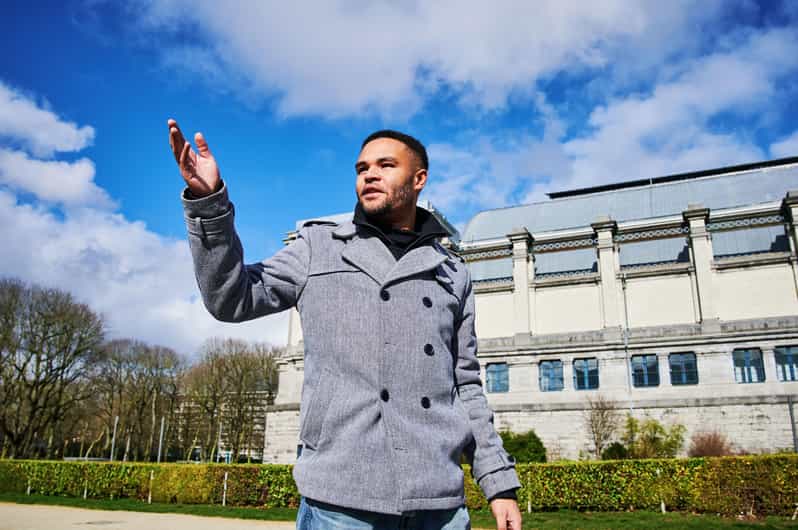
- Leopold II’s personal colony: Learn how the Congo became tied to the Belgian king before the country later took formal control.
- Colonial wealth in central Brussels: See the former Union Minière headquarters and consider how mining shaped Belgium’s Congo connection.
- Royal and national power: The route includes the Royal Palace and Rue Brederode, places that help explain the political setting.
- From imperial center to Congolese Brussels: Finish in Matonge and at Porte de Namur, where the story turns toward immigration and present-day relations.
- A full 2.5-hour walk: Wear proper shoes, bring water, and prepare for rain or sun.
- English-language interpretation: The tour is led live in English, with time for questions at each major stop.
Why this Brussels walk matters
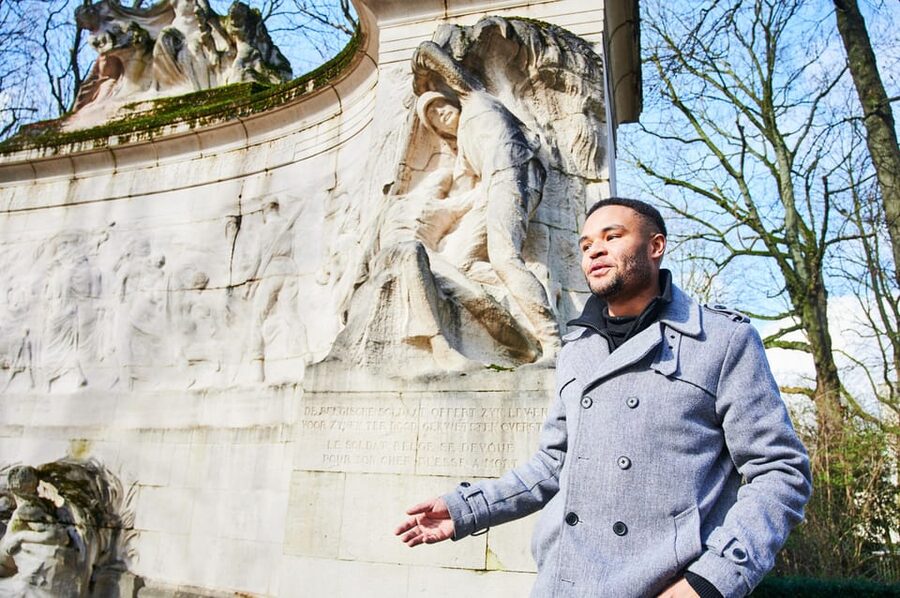
Brussels often presents itself through medieval squares, Art Nouveau buildings, chocolate shops, and grand royal avenues. This tour asks you to look at another layer of the city, one tied to Belgium’s rule in Congo and the long effects of that rule.
You begin with the colonial process under Leopold II, continue through independence, and end with the impact of Congolese immigration in Belgium. That order matters. It keeps the subject from becoming a list of old buildings and dates. Instead, you follow a chain from political power to money, then from imperial memory to modern community life.
I especially like that the route does not stop at monuments built during the colonial period. The final sections in Porte de Namur and Matonge give you a chance to think about how this history remains part of Brussels today.
The subject is serious, and the walk may feel emotionally heavy at times. That is part of its value, but you should not book it expecting a casual city tour with occasional historical comments.
More things to do in Brussels:
- Brussels: Atomium Entry Ticket with Design Museum Ticket
★ 4.4 · 9,254 reviews - From Brussels: Guided Day Trip to Bruges and Ghent
★ 4.6 · 8,353 reviews - From Brussels: Bruges & Ghent Day Tour – 2 Fairytale Cities
★ 4.7 · 8,242 reviews
Starting at the Park of the Cinquantenaire
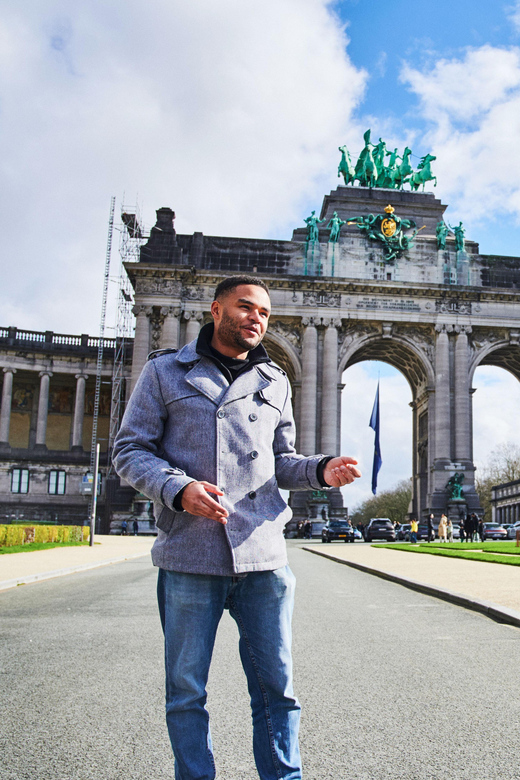
The meeting point is Parc du Cinquantenaire 1-15, at the Park of the Cinquantenaire. This grand Brussels park provides a fitting opening because the tour begins with the machinery of Belgian national power and colonial ambition.
Your guide explains the steps that led Belgium into Congo, beginning with Leopold II’s personal colony. From there, you learn about the move toward independence and the later relationship between Belgium and people of Congolese origin.
The park itself is spacious, so arrive ready to locate the exact meeting point rather than assuming the whole park is a single entrance. You will want comfortable shoes from the first minute. The route is not described as strenuous, but it includes several stops across the city and a moderate amount of walking.
This opening is useful for setting terms and chronology. If you already know the broad outline of Belgian colonial history, the guide’s explanations can help connect that knowledge to specific places in Brussels. If the subject is new to you, listen closely here, since later stops build on this introduction.
Umicore and the money behind empire
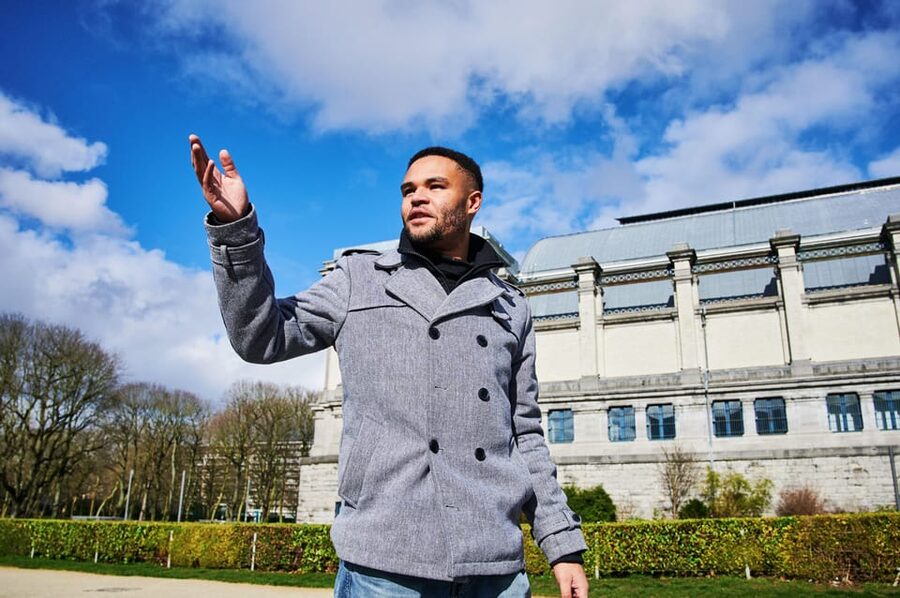
The next major stop is Umicore, where you receive about 15 minutes of guided explanation. The route connects this modern company with the headquarters of Union Minière, bringing mining into the story of Belgian involvement in Congo.
That is an important shift. Colonial rule was not only a matter of kings and flags. It was also tied to business, extraction, and wealth. Seeing the company’s Brussels connection gives the discussion a physical address and helps you consider how far away decisions made in Belgium could affect life in Congo.
You should not expect a museum visit or an indoor corporate tour. This is an outdoor walking stop, so the value comes from the guide’s interpretation of the place. Bring a camera if you wish, but listen first. The building matters less as an object to photograph than as a prompt for understanding the financial side of colonial power.
The short time allocation also keeps the tour moving. You get a focused explanation rather than a long lecture on one company.
Mont des Arts and the city’s official image
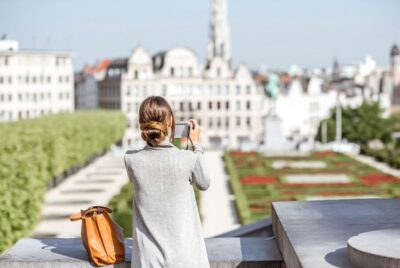
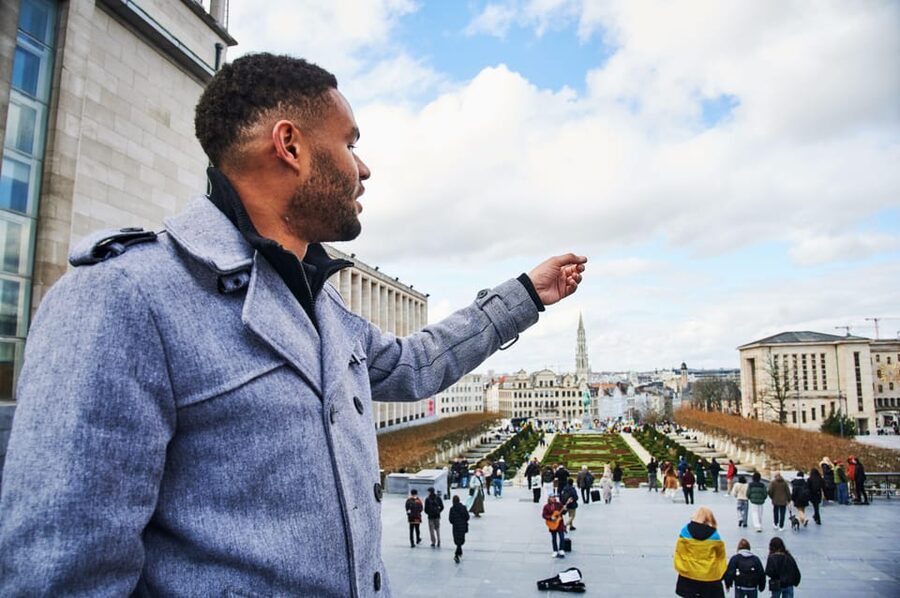
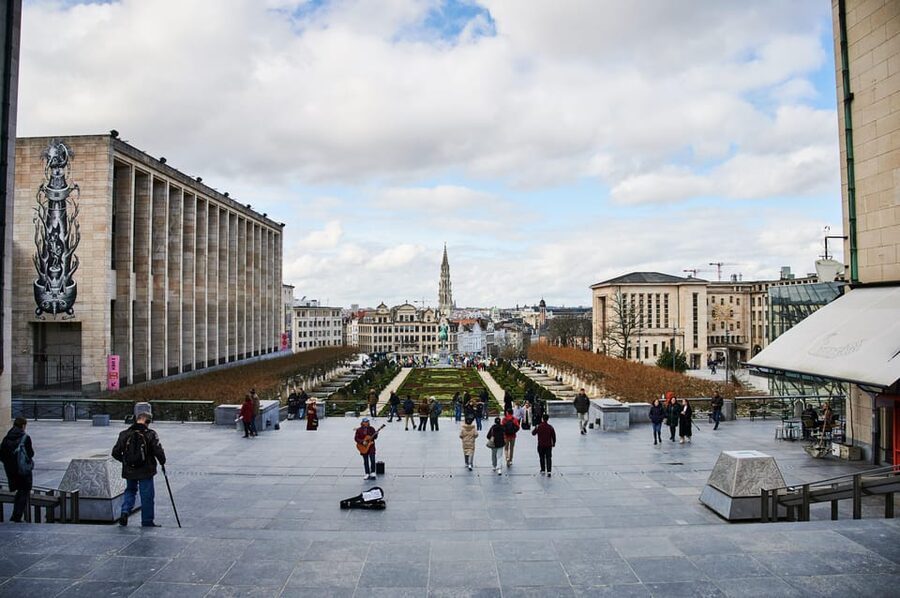
At Mont des Arts, the guide spends about 15 minutes explaining another part of Brussels’ colonial story. The area is one of the city’s most recognizable viewpoints and public spaces, but here it becomes a place to think about how Belgium presents itself.
This stop can work well for visitors who enjoy connecting civic architecture with political history. You are not simply being told what a building looks like. You are asked to consider how national identity, royal authority, and colonial memory can appear together in the center of the capital.
Mont des Arts is also a practical spot to pause. You may find time to take photographs, but the exact amount depends on the guide and the pace of the group. Keep your attention on the commentary, since the point of this tour is the explanation rather than a checklist of views.
A completely different kind of day:
- Choco-Story Brussels: Chocolate Museum Entrance with Tasting
★ 4.3 · 4,883 reviews - Bruges and Ghent – Belgium’s Fairytale Cities – from Brussels
★ 4.0 · 4,809 reviews - Brussels: Hop-On Hop-Off Bus Tour
★ 4.0 · 4,016 reviews - Brussels: Entry Ticket to Mini-Europe
★ 4.5 · 2,870 reviews
The Royal Palace and Leopold II’s legacy
The Royal Palace of Brussels receives about 20 minutes, the longest single stop listed on the route. That extra time makes sense. The palace offers a direct way to discuss the monarchy and Leopold II’s role in the colonial process.
Your guide places the king’s personal colony within the wider history of Belgium in Congo. You also hear how that period led toward independence and how its effects continue in Belgium. The palace is therefore more than a grand photo backdrop. It helps frame the relationship between royal authority, the Belgian state, and colonial policy.
I would pay close attention here even if you have already visited the palace on another day. A standard palace visit and this outdoor explanation serve different purposes. The building’s grandeur can look separate from colonial history unless someone makes the connection clear.
Photography is allowed, but respect any restrictions at specific sites. Since the tour remains outside, you should not expect access to palace interiors.
Rue Brederode and the political setting
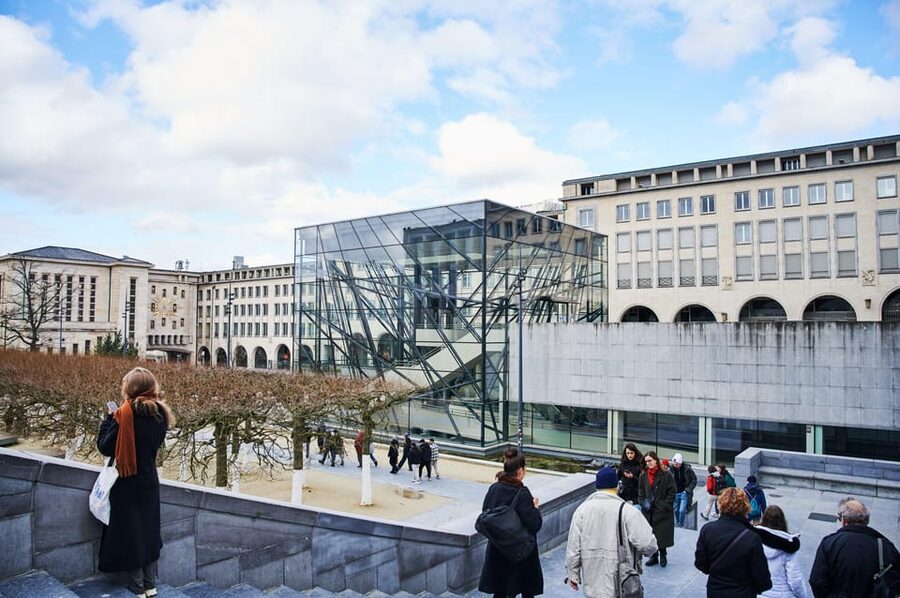
Rue Brederode follows with about 15 minutes of guided discussion. This stop continues the focus on royal and political power, giving you another location in central Brussels where the guide can explain the people and institutions involved in Belgium’s Congo history.
The strength of a stop like this is its ability to slow down the story. Big subjects such as colonialism can become too broad when presented only through dates. A street-level stop gives the guide a chance to explain how the Belgian political world related to the monarchy, the colonial project, and the transition to independence.
There is no promise of a major landmark at every stop, and that is worth knowing. Some locations will interest you mainly because of what the guide says. If you want nonstop grand architecture, this may feel less exciting. If you want to understand how the city’s institutions fit together, Rue Brederode adds useful structure.
Porte de Namur and the turn toward modern Brussels
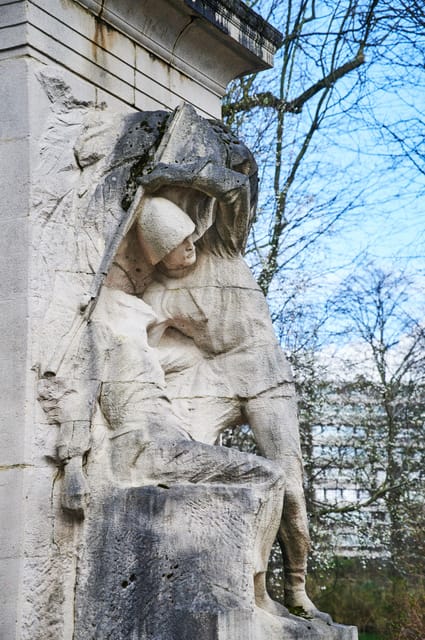
At Porte de Namur, the tour moves more clearly from colonial history toward the experience of Congolese people in Belgium. The guide spends about 15 minutes here, helping you consider immigration of Congolese origins and its impact on Belgian life.
This transition is one of the route’s best features. It keeps the past from being treated as finished business. Independence did not erase the links between Belgium and Congo, and the lives of Congolese communities in Brussels form part of the story you are examining.
Porte de Namur also prepares you for the final stop in Matonge. You may notice that the tone changes as the tour moves away from royal and official sites. The route begins in places linked with the state and ends in a neighborhood where present-day community life takes center stage.
The tour data does not promise shopping time, food tastings, or visits inside local businesses. Think of this as a guided historical walk through the area, not a food tour or retail outing.
Matonge, where the story becomes personal
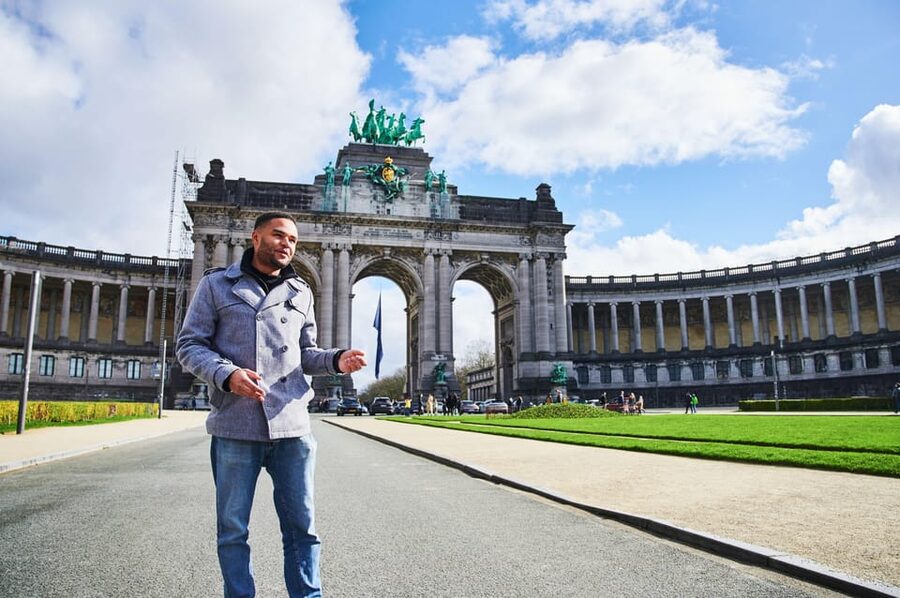
Matonge receives about 15 minutes of guided attention and is one of the most meaningful parts of the route. Here, the subject is no longer only what Belgian rulers and companies did in Congo. It also concerns the people of Congolese origin who live in Belgium and shape Brussels today.
I like this ending because it gives the tour a human direction. You are not left with a final palace or corporate building. You finish by considering migration, identity, and the continuing relationship between Belgium and Congo.
Matonge is a place where you should remain respectful. Listen to the guide, take photographs with care, and remember that this is a living neighborhood, not an open-air exhibit. The supplied information does not promise time for independent exploration, so save a separate visit if you want to browse at your own pace.
Finishing at Luxembourg Square
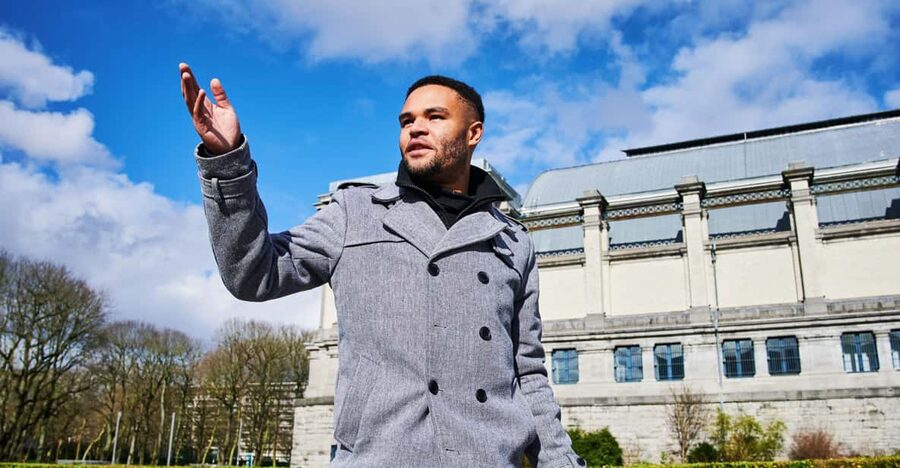
The walk ends at Luxembourg Square. This gives you a clear stopping point rather than returning you to the first meeting place. Plan your next activity from there, and check your transport plans before the tour begins.
The finish also gives the route a broad geographic shape. You start near the Park of the Cinquantenaire, move through royal and political Brussels, pass sites tied to colonial business, and end near Matonge before reaching Luxembourg Square.
The total duration is 150 minutes, or two and a half hours. That is enough time for a serious introduction without taking up your entire day. Still, the walking between stops matters. You will likely spend portions of the tour moving through city streets rather than listening at a single location.
Is $116 a fair price?
At $116 per person, this is not a bargain city stroll. You are paying for a specialized subject, an English-speaking live guide, and a route that joins several parts of Brussels into one historical argument.
The value depends on your priorities. If you want only major sights and quick facts, the price may feel high. You can see the Royal Palace, Mont des Arts, and the Park of the Cinquantenaire on your own. But seeing them is not the same as understanding how they connect to Belgium’s Congo past.
I find the price easier to justify if you care about colonial history, political memory, migration, or the meaning behind public places. The guide’s role is central, and the strong praise for Eric’s engagement and ability to answer questions is encouraging. Since only one rating is supplied, I would treat that praise as a useful sign, not proof that every departure will be identical.
The flexible booking terms also reduce the risk. You can cancel up to 24 hours ahead for a full refund, and you can reserve now and pay later. Those terms help if your Brussels schedule is still shifting.
Who will get the most from this tour?
I would recommend this walk to you if you:
- Want a focused introduction to Belgium’s colonial role in Congo
- Prefer history tied to real streets and buildings
- Are interested in Leopold II, Belgian independence, or Congolese life in Belgium
- Like asking questions during a live English-language tour
- Can manage moderate walking over two and a half hours
- Are willing to discuss a difficult subject with care
I would think twice if you need step-free access, use a wheelchair, or dislike walking between several city-center stops. The tour is not suitable for people with mobility impairments or wheelchair users.
It may also be a poor fit if you want a cheerful general tour of Brussels. The subject is controversial and at times disturbing. You will get more from it if you arrive prepared to listen rather than simply collect photographs.
Practical advice for a better experience
Wear comfortable shoes. That is the most important tip because the route covers multiple locations and includes walking between them.
Bring water, a camera, and clothing suited to the forecast. Brussels weather can change quickly, and the tour takes place outdoors. A rain layer can make the difference between concentrating on the guide and worrying about getting soaked.
The tour is conducted in English. If you have questions about specific dates, names, or the transition to independence, ask them during the relevant stop. The praise for Eric’s ability to answer questions suggests that an engaged exchange can be part of the experience.
Photography is permitted, but follow restrictions at particular sites and use good judgment in Matonge. The most valuable souvenir from this walk may be a clearer understanding of how the past remains connected to the city you are seeing.
Should you book this Congo history walk?
Book it if you want Brussels explained through its colonial past, not just its postcard sights. The route is carefully shaped, moving from Leopold II and official power to mining, independence, and Congolese community life in Matonge.
At $116, it is best for a visitor who values expert interpretation and a serious subject. I would skip it if you want a low-cost orientation tour, cannot manage moderate walking, or prefer to avoid difficult history. For the right audience, this is a thoughtful way to see familiar Brussels locations with more meaning.
FAQ
Where does the tour start?
The tour starts at Parc du Cinquantenaire 1-15 in the Park of the Cinquantenaire.
Where does the tour finish?
The tour finishes at Luxembourg Square.
How long does the tour last?
The walking tour lasts 150 minutes, or two and a half hours.
What language is the tour in?
The live tour guide conducts the experience in English.
What places are included?
The route includes the Park of the Cinquantenaire, Umicore and the former Union Minière connection, Mont des Arts, the Royal Palace of Brussels, Rue Brederode, Porte de Namur, Matonge, and Luxembourg Square as the finishing point.
Does the tour discuss Leopold II?
Yes. The guide explains the colonial process beginning with Leopold II’s personal colony in Congo.
Does the tour cover Belgian independence?
Yes. The discussion continues from the colonial period through the process of independence and present-day relations.
Does the tour discuss Congolese immigration in Belgium?
Yes. It explains the impact of immigration of Congolese origins in Belgium, with attention to Matonge and Porte de Namur.
What should I bring?
Bring comfortable shoes, water, a camera, and clothing suitable for the weather.
Is the tour suitable for wheelchair users?
No. The experience is not suitable for wheelchair users or people with mobility impairments.
Just added in Brussels
- Transfer from BRU Airport to Brussels city (any hotel or address)★ 5.0 · 1 review
- Standard vehicle from Brussels airport to city of Antwerp★ 5.0 · 4 reviews
- Standard Minivan from Brussels airport to city of Antwerp★ 5.0 · 1 review
- Private transfer from BRU Airport – Brussels GO BACK MB V-CLASS 7 PAX★ 5.0 · 2 reviews
- Private transfer from Brussels Airport to Brussels city Business car★ 5.0 · 1 review
- Transfer Brussels Airport -> Antwerp MB V-CLASS 7 PAX★ 5.0 · 1 review
- Private transfer from BRU Airport to Bruges with Mercedes V class 7 pax★ 5.0 · 1 review
- Private transfer from BRU Airport to Bruges with luxury limousine 3 pax★ 5.0 · 1 review
Brussels Tours, compared.
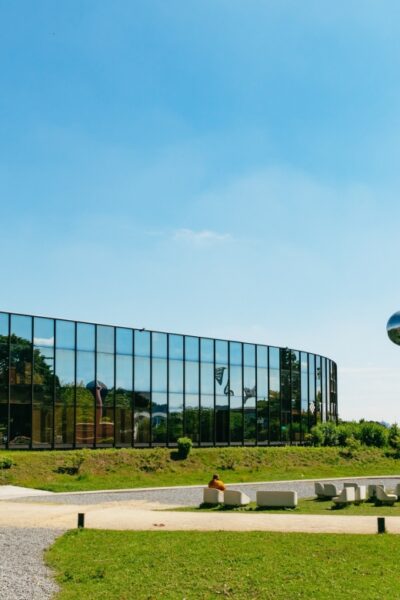
Atomium Entry Ticket with Design Museum Ticket
Read our review →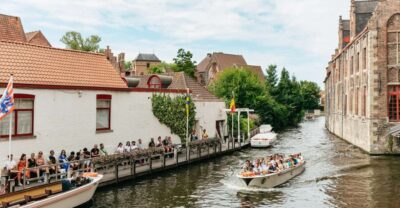
From Brussels: Guided Day Trip to Bruges and Ghent
Read our review →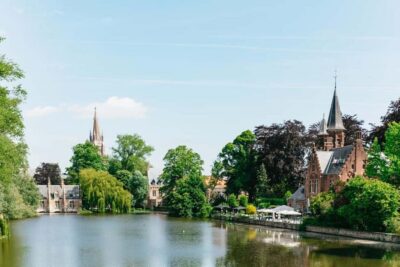
From Brussels: Bruges & Ghent Day Tour – 2 Fairytale Cities
Read our review →
Choco-Story Brussels: Chocolate Museum Entrance with Tasting
Read our review →
Bruges and Ghent – Belgium’s Fairytale Cities – from Brussels
Read our review →