
Reviewed · MUSEUMS
Brussels: Museum Art & History Entry Ticket
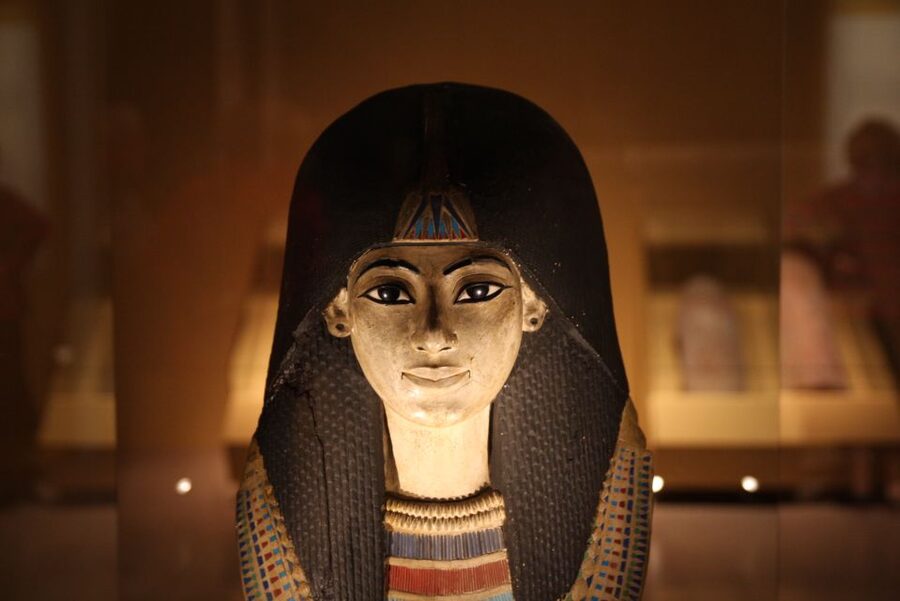
Ancient Rome is waiting inside a Brussels landmark. I like this museum for its huge sweep of time, from early archaeology to art nouveau, and for its world collections, including Egypt, Asia, and the Americas. The Roma model gives you a striking look at the ancient city, while the Egyptian galleries add a touch of mystery. The main drawback is the museum’s size: one day is valid, but you will need to choose your focus rather than see every room closely.
I also like the setting at Cinquantenaire Park, where you can take a break or finish with an impromptu picnic. The $11 price is fair for a full day of access, especially if you enjoy museums at your own pace, though anyone with a museum pass should check the price before booking. One Belgian booking reported paying €8 despite having a Museum Pass.
In This Review
- Key points to know before you go
- Why this Brussels museum deserves your time
- Finding the entrance at Cinquantenaire
- Start with archaeology and the earliest human past
- Meet Egypt, Greece, and Rome in one long sweep
- Follow Belgium and Europe from the Middle Ages to 1900
- Walk among Asian Buddhas and non-European cultures
- Make Cinquantenaire Park part of the visit
- Is the $11 ticket good value?
- Who should book this museum ticket?
- Final verdict: book it if you like freedom and variety
- FAQ
- How much does the Museum Art and History entry ticket cost?
- How long is the ticket valid?
- Where is the museum entrance?
- Which train stations are closest?
- Which metro station is nearest?
- Is the museum wheelchair accessible?
- Is flash photography allowed?
Key points to know before you go
- Ancient Rome gets a memorable centerpiece: The model of Roma helps you understand the scale and layout of the old city.
- Egypt brings the drama: Mummies and ancient objects give this section a strong sense of mystery and ritual.
- Four broad collections guide your visit: Ancient history, Belgian and European archaeology, European decorative arts, and non-European civilisations.
- The museum covers a huge time span: You move from the birth of mankind through the Middle Ages and early 20th-century art.
- Cinquantenaire Park adds breathing room: A picnic outside makes the visit feel less like a long march through galleries.
- The ticket is flexible: Entry is valid for one day, with free cancellation up to 24 hours before the visit and a reserve now, pay later option.
Why this Brussels museum deserves your time
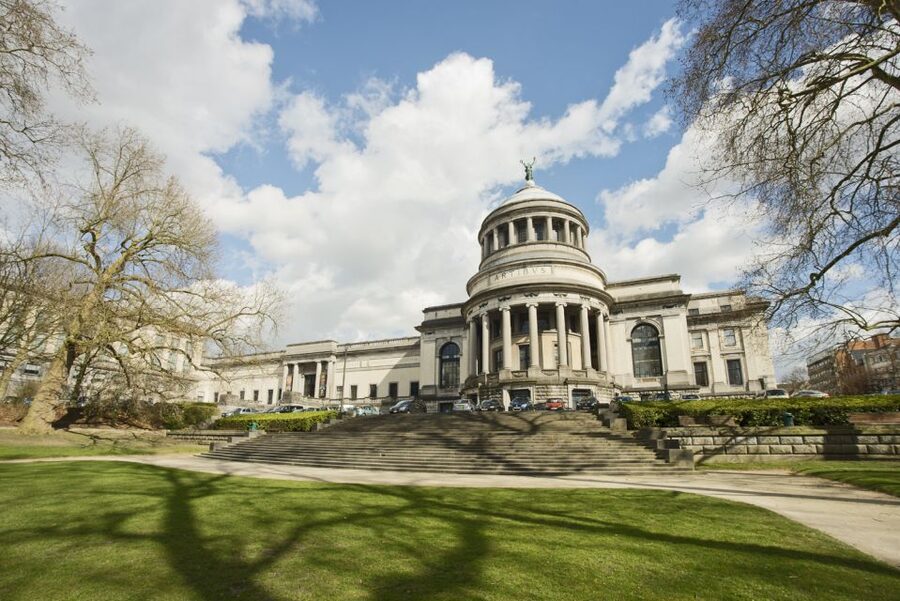
The Royal Museum of Art and History is the sort of place that rewards curiosity rather than speed. It is housed in a grand classic building at Parc du Cinquantenaire, and inside you can move across continents and thousands of years without changing museums.
I like that the collection is not limited to one national story. You can begin with archaeology connected to the earliest human societies, then pass through ancient Egypt, Greece, and Rome. Later rooms take you into Belgian and European art, followed by objects from the Islamic world, India, China, and other parts of Asia and America.
That range makes the museum useful on a rainy Brussels day, but it can also make the visit feel sprawling. You may find yourself looking at an entire room of objects without knowing which pieces deserve the most attention. A little planning helps.
The ticket is valid for one day, so you are not forced into a short, tightly managed visit. You can give the ancient galleries your best attention, take a rest in the park, and return to another section if the museum’s opening arrangements allow it. The supplied details confirm one-day validity but do not provide a specific timed itinerary, so check the available starting time when you book.
More History Tours in Brussels
- Brussels: Historical Walking Tour with Chocolate & Waffle Tasting
★ 5.0 · 1,165 reviews - Brussels: Historical Tour with Chocolate & Waffle Tasting
★ 4.8 · 642 reviews - Historical Walking Tour: The Story of Brussels – by Legends
★ 5.0 · 164 reviews
Finding the entrance at Cinquantenaire
The museum sits in the Cinquantenaire complex, a location that is easy to reach but slightly confusing at the final step. The entrance is not beside Autoworld. You need to walk around the corner to the other side of the building and follow the signs.
That tip matters. The complex contains several major attractions, and it is easy to head toward the wrong entrance if you simply follow the most visible museum sign. Give yourself a few extra minutes, especially if you have a fixed plan later in the day.
Merode and Schuman are the nearest train stations and are within walking distance. Schuman is also the closest metro stop. Bus routes 22, 27, and 80 stop at Galliërs, while bus 61 stops at Merode. Trams 81 and 82 also stop at Merode. From Brussels Central Station, you can connect by metro to the Art and History Museum.
The site is wheelchair accessible. Flash photography is not allowed, so keep your camera ready for ordinary photography only and respect any additional signs inside.
Start with archaeology and the earliest human past
The museum’s archaeological material begins with the birth of mankind and continues through prehistory. This gives your visit a useful foundation before you reach the famous ancient civilisations.
I like this opening because it reminds you that Egypt, Greece, and Rome did not appear out of nowhere. Human tools, objects, and early forms of art show how societies developed over long periods. The national archaeology collection also connects the museum to Belgium’s own past.
You might find this section less immediately dramatic than the mummies or Roman displays. It asks for patience. If your time is limited, look through it first, then decide whether you want a quick overview or a slower study of the archaeological material.
For families, this can be a good place to start because the broad story is easy to follow: early people, changing tools, growing communities, and more complex societies. Children may respond better to the idea of how people lived than to long labels, so keep the visit active and point out objects that show daily life.
Meet Egypt, Greece, and Rome in one long sweep
The ancient history section brings together Egypt, Greece, and Rome. These civilisations are often taught separately, but seeing them within one museum helps you compare their art, beliefs, and ways of representing people and gods.
The Egyptian collection is likely to be one of the most atmospheric parts of the visit. The mummies provide the headline attraction, and the references to the curse of the Egyptian mummies add a little playful suspense. Do not expect a theatrical horror show. The interest lies in the beliefs, burial practices, and care for the dead that these objects represent.
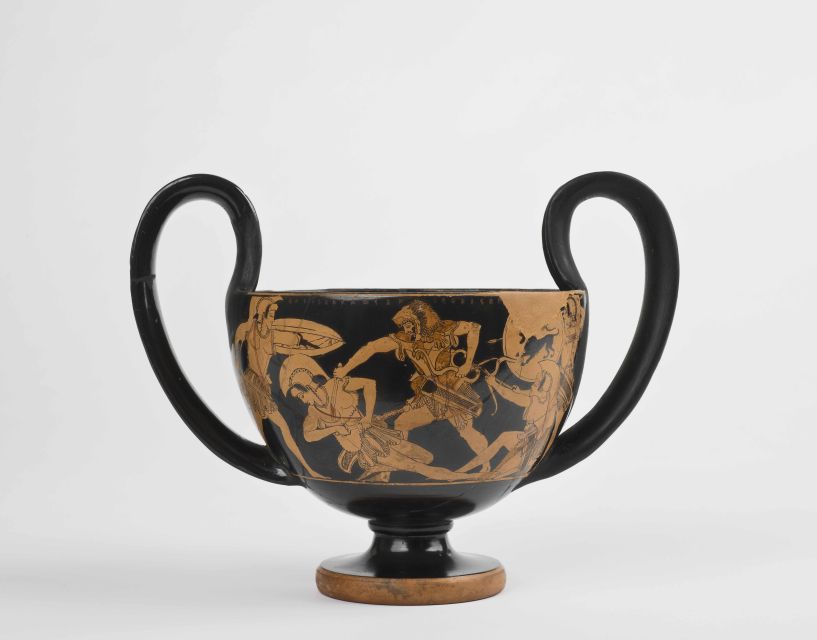
The Greek material gives you another visual language, with its focus on gods, heroes, the human form, and orderly design. Rome then turns the story toward empire, engineering, public life, and the spread of Roman culture.
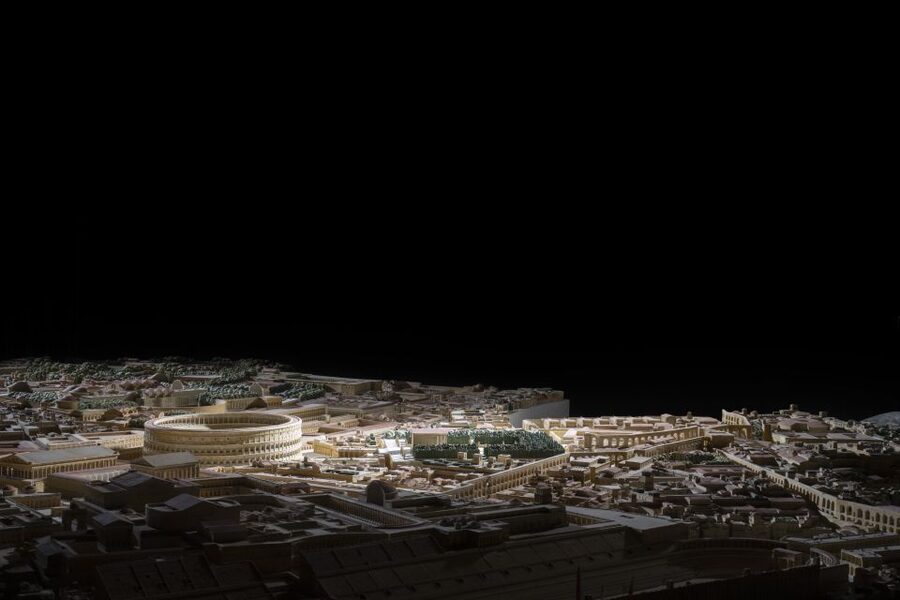
The model of Roma is a key stop. It lets you see ancient Rome as a city rather than a collection of isolated statues or objects. For me, that kind of model is valuable because it turns history into a place you can mentally walk through. You can better grasp the scale of the city and imagine how its buildings related to one another.
This section should suit first-time museum visitors, families, and anyone who wants the classic ancient-world experience without visiting several separate institutions. The tradeoff is that the subject is enormous. You will not absorb every civilisation in one quick pass.
More Museum Tours in Brussels
- Brussels: Atomium Entry Ticket with Design Museum Ticket
★ 4.4 · 9,254 reviews - Choco-Story Brussels: Chocolate Museum Entrance with Tasting
★ 4.3 · 4,883 reviews - Brussels: 2.5-Hour Chocolate Museum Visit with Workshop
★ 4.6 · 1,263 reviews - Brussels: The World of Banksy Museum Permanent Exhibition
★ 4.7 · 636 reviews
Follow Belgium and Europe from the Middle Ages to 1900
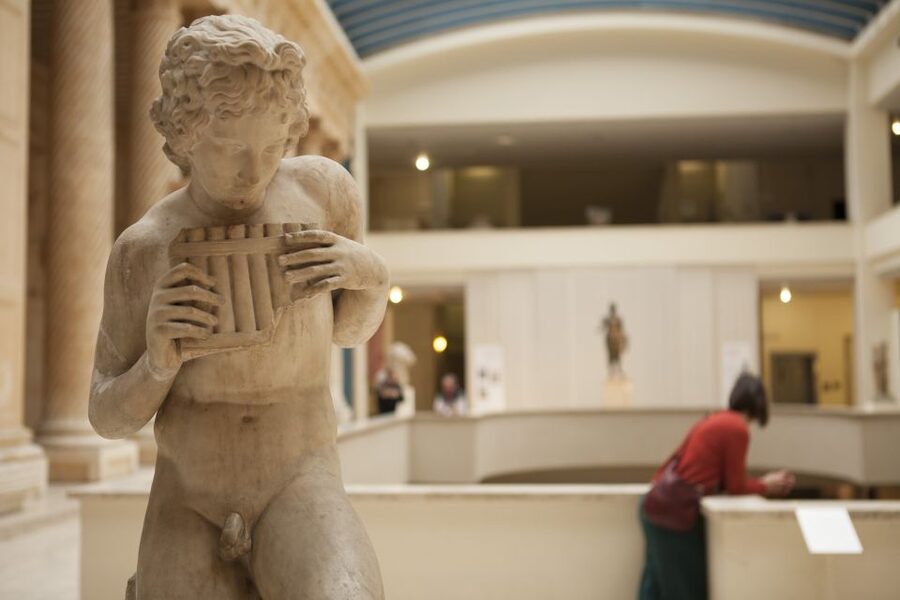
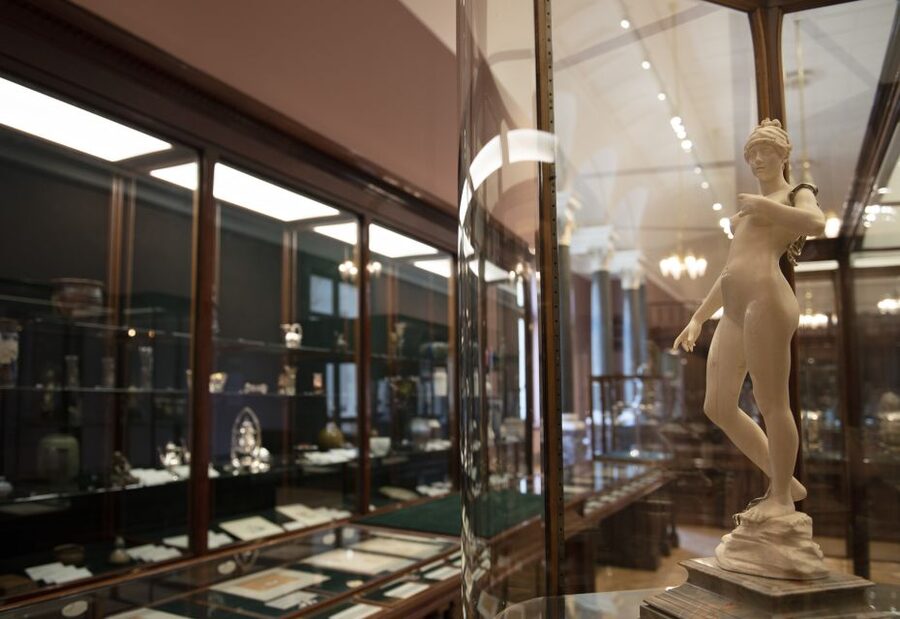
The European decorative arts collection covers the 10th through the 20th century. This is where the museum’s story shifts from ancient objects to the design of later European life.
You can expect a broad run through changing styles and materials, from the Middle Ages to the 16th, 17th, and 18th centuries, and then into the early 20th century. The collection culminates in art nouveau and art deco, two styles closely linked to Brussels and Belgium’s importance in design.
I find this section valuable because decorative art shows how people lived, not just what they painted. Furniture, household objects, religious works, and design pieces can tell you about wealth, taste, belief, technology, and social habits. They also make a useful contrast with the ancient galleries.
The early 20th-century rooms may appeal most to visitors who enjoy architecture and design. Art nouveau is especially relevant in Brussels, a city known for its connection to the style, while art deco brings a more geometric and modern look. The supplied information does not specify individual artists or objects, so it is best to approach these rooms as a wide survey rather than a single-masterpiece exhibition.
If you want to cover the museum efficiently, do not spend all your energy in the first ancient rooms. The European collections provide a strong second half and help explain how art and design changed over time.
Walk among Asian Buddhas and non-European cultures
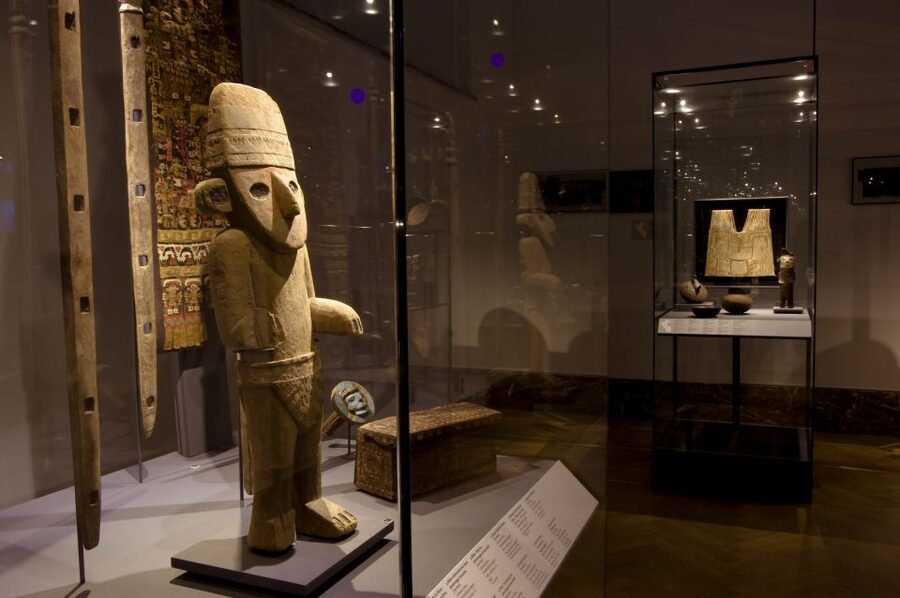
The non-European collection includes the Islamic world, India, China, and other civilisations from Asia and America. This section expands the visit beyond the usual European museum route.
The Asian galleries, with their Buddhas, offer a calm change of pace after the scale and political power of Rome. Religious images can be read not only as works of art but also as expressions of worship, teaching, and ideas about compassion, wisdom, and the human condition.
The Islamic-world collection adds another set of visual traditions, while the Indian and Chinese material broadens the geographic picture further. The American collections remind you that the museum’s scope reaches across the Atlantic as well.
I like this part of the museum because it prevents the visit from becoming a simple march from Egypt to Rome and then through Belgium. You get a wider sense of how different societies made meaning through objects, images, and design.
At the same time, this is another area where the scale may work against close study. With so many cultures represented, you may want to select one or two sections instead of trying to understand everything in one afternoon. If Asian art interests you most, make those galleries a priority rather than leaving them for the final few minutes.
Make Cinquantenaire Park part of the visit
The park is not just a backdrop for the museum. It gives you a practical place to pause after several hours indoors.
An impromptu picnic in Cinquantenaire Park is one of the simplest pleasures attached to this ticket. Bring food from elsewhere in Brussels, find a comfortable spot, and let your eyes adjust from display cases to open space. This break can make a large museum feel much more manageable.
The park also gives families a chance to reset. Younger children may enjoy the museum in short bursts, followed by time outside. Adults can use the break to compare favorite sections before deciding whether to return indoors.
Because the ticket is valid for one day, you have more freedom than with a short guided visit. Still, do not assume that one day means you must stay from opening until closing. The museum is broad enough that a focused two or three-hour visit may be more satisfying than a rushed attempt to see everything.
Is the $11 ticket good value?
At $11 per person, this is a strong value if you plan to spend several hours exploring. You are paying for access to a large national museum with ancient, European, Belgian, Asian, Islamic, Indian, Chinese, and American material. The one-day validity gives you time to set your own pace.
The price is less compelling if you only want one famous object or one narrow period. In that case, the museum’s size may feel like more than you need. Check your Brussels museum benefits before booking, too. A Belgian booking connected to a Museum Pass still involved an €8 payment, so confirm whether your pass covers this entry and whether any fee remains.
The skip-the-ticket-line feature can save time at the entrance, though it does not turn the museum into a guided tour. You are buying access, not a personal explanation of every gallery. That is a good fit if you like to stop where you wish and move on when your attention fades.
Free cancellation up to 24 hours in advance adds useful flexibility. You can also reserve now and pay later, which helps if your Brussels schedule is still changing.
Who should book this museum ticket?
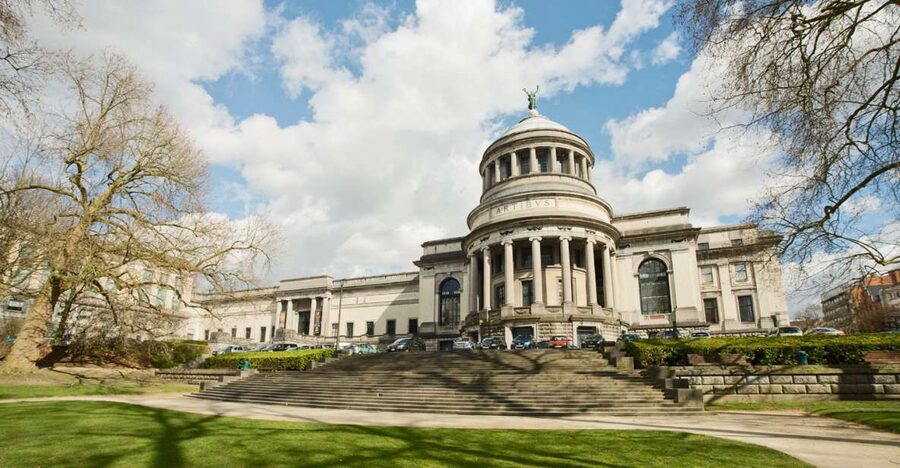
I would recommend it to families, history fans, design lovers, and independent museum visitors who want variety. It is also a good rainy-day choice because the ticket can fill a large part of your day without requiring a guide or a fixed group schedule.
The experience suits you especially well if you enjoy comparing cultures and periods. One room may take you from early archaeology to Egypt, while another shifts from European decorative arts to art nouveau. That variety is the main attraction.
You may want to skip it if you dislike large museums, prefer a tightly focused collection, or have only a short gap between other Brussels sights. The building’s scale can be tiring, and the wide subject range means you will need to make choices.
The overall rating is 4.5 from 58 reviews, and the strongest praise centers on the museum’s impressive scale and its appeal to both adults and children. That matches the ticket’s best quality: it gives you a lot to see without forcing you through a set route.
Final verdict: book it if you like freedom and variety
Book this ticket if you want a full museum day built around ancient civilisations, Belgian culture, European design, and Asian art. The $11 cost is reasonable, the park makes a handy break spot, and the one-day format lets you avoid a rushed visit.
Before paying, check for a Museum Pass and allow time to find the entrance on the side away from Autoworld. Go with a short plan, choose two or three priority sections, and treat the rest as a bonus. That approach will help you enjoy the museum rather than trying to conquer it.
FAQ
How much does the Museum Art and History entry ticket cost?
The listed price is $11 per person. If you have a Museum Pass, check the applicable price before booking, as an €8 payment was reported despite a Belgian booking having a pass.
How long is the ticket valid?
The ticket is valid for one day. Starting times and availability should be checked when you reserve.
Where is the museum entrance?
The entrance is on the other side of the building from Autoworld. Walk around the corner and follow the signs.
Which train stations are closest?
Merode and Schuman are the nearest stations and are within walking distance. Brussels Central Station connects to the museum by metro.
Which metro station is nearest?
Schuman is the nearest metro station.
Is the museum wheelchair accessible?
Yes, the activity is wheelchair accessible.
Is flash photography allowed?
No. Flash photography is not allowed inside the museum.
Just added in Brussels
- Transfer from BRU Airport to Brussels city (any hotel or address)★ 5.0 · 1 review
- Standard vehicle from Brussels airport to city of Antwerp★ 5.0 · 4 reviews
- Standard Minivan from Brussels airport to city of Antwerp★ 5.0 · 1 review
- Private transfer from BRU Airport – Brussels GO BACK MB V-CLASS 7 PAX★ 5.0 · 2 reviews
- Private transfer from Brussels Airport to Brussels city Business car★ 5.0 · 1 review
- Transfer Brussels Airport -> Antwerp MB V-CLASS 7 PAX★ 5.0 · 1 review
- Private transfer from BRU Airport to Bruges with Mercedes V class 7 pax★ 5.0 · 1 review
- Private transfer from BRU Airport to Bruges with luxury limousine 3 pax★ 5.0 · 1 review
Museums, compared.
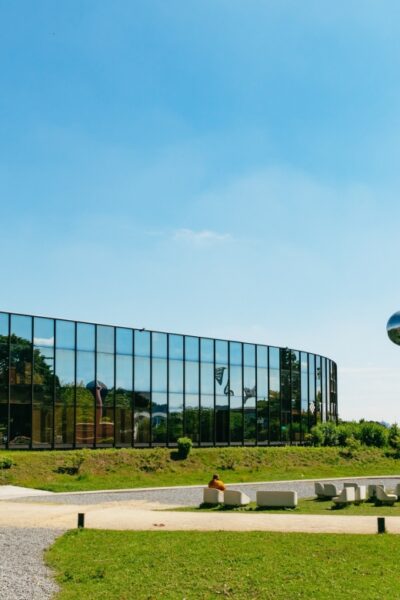
Atomium Entry Ticket with Design Museum Ticket
Read our review →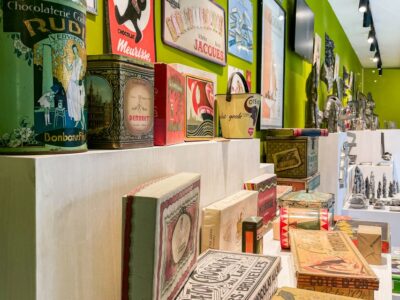
Choco-Story Brussels: Chocolate Museum Entrance with Tasting
Read our review →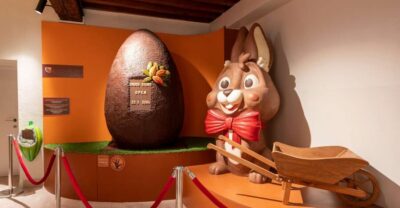
Choco-Story Chocolate Museum Guided Tour w/Tastings
Read our review →
2.5-Hour Chocolate Museum Visit with Workshop
Read our review →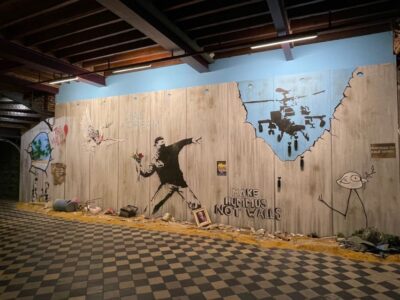
The World of Banksy Museum Permanent Exhibition
Read our review →
Chocolate Making Workshop and Chocolate Museum Entry
Read our review →Browse the lists this tour appears in