Reviewed · GUIDED
Brussels Politics Tour: Private & Personalized with a Local Guide
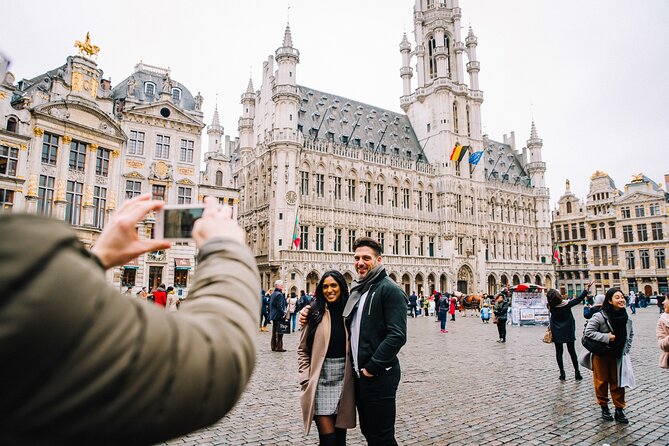
Brussels makes politics walkable. This private tour links the European Parliament, quiet parks, royal monuments, Matongé, and the Atomium through the eyes of a local guide. I especially like the one-to-one format, which gives you room to ask about EU policy, Belgium, colonial history, or daily life without waiting for a group to catch up. I also like the pre-tour questionnaire, since your guide can shape the route around your interests instead of delivering the same script to everyone.
The main consideration is distance. Three hours is not enough to explore every stop at leisure, and the route reaches areas far apart, so public transport may be needed at extra cost. This is best for you if you want conversation and context more than a slow, picture-perfect stroll.
In This Review
- Key points at a glance
- Why Brussels works so well as a politics tour
- Starting near Grand Place, then finding your Brussels
- The European Parliament and the machinery of Europe
- Quiet greenery beside EU offices
- The triumphal arches and national pride
- Matongé and Brussels’ Congolese connection
- The Atomium and Mini-Europe’s big idea
- What the guides add to the experience
- Price, group size, and what you actually receive
- Who should book this Brussels experience?
- Should you book it?
- FAQ
- How long does the Brussels Politics Tour last?
- Is this a private tour?
- What language is the tour offered in?
- Where does the tour start?
- Does the tour include hotel pickup?
- Is transportation included?
- Are attraction tickets included?
- Can I cancel for a full refund?
Key points at a glance
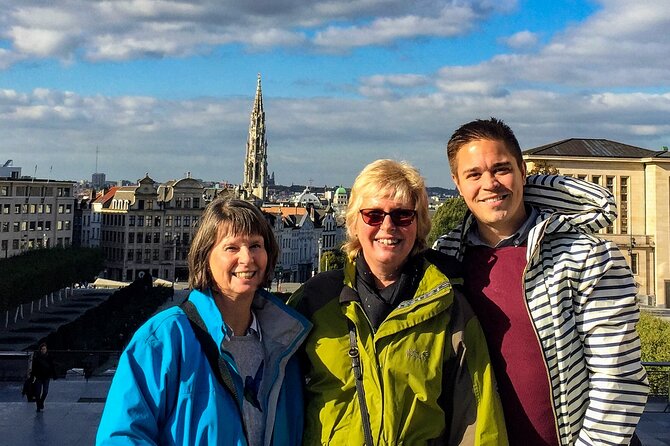
- Political questions are welcome: Guides such as Andrea have handled detailed discussions about EU administration, energy policy, and the war involving Russia and Ukraine.
- A private route changes the pace: Your group alone joins the experience, with flexible timing and direct contact before the tour.
- The itinerary crosses several Brussels worlds: EU offices, formal parks, a Congolese neighborhood, and the futuristic Atomium all appear in one experience.
- This is mainly a walking tour: No private car is provided, and public transport or local taxis may be used between distant sites.
- Guides bring personality: Laurence has been praised for thoughtful care and for adding Belgian coffee and hot chocolate to a wider city tour.
- The price reflects personal attention: At $137.24 per person, the value is strongest for couples, families, or small groups who want discussion rather than a standard city walk.
Why Brussels works so well as a politics tour
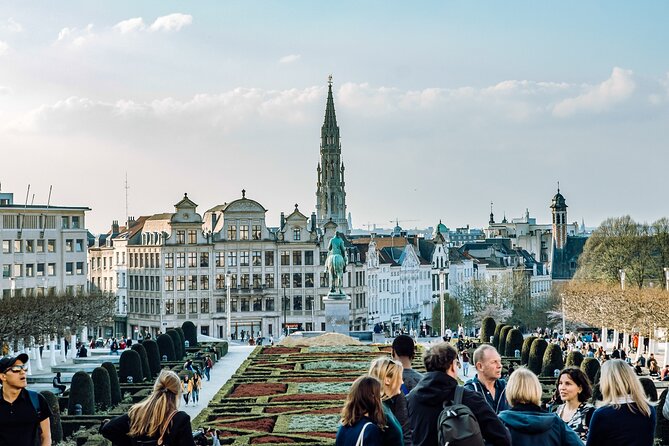
Brussels is not only a place where European officials go to work. EU institutions sit beside ordinary neighborhoods, parks, cafés, apartment blocks, and long-established communities. That makes the city useful for understanding how international decisions meet local life.
A guide can help you connect the pieces. You may hear about the European Union in one moment, then turn a corner and discuss Belgian identity, colonial memory, migration, or the practical effect of EU offices on the city. That mix gives the tour more purpose than simply pointing out impressive buildings.
I would choose this experience early in a Brussels visit if politics, history, or current affairs matter to you. It can help you understand what you are seeing for the rest of your stay. If your main goal is food, art, or grand architecture, tell your host that before the tour so the route can lean in that direction.
The private setup is important here. Political subjects can quickly become complicated, and you may want to stop and ask how an institution works or why a certain policy matters. On a large group tour, those questions can get lost. Here, the conversation belongs to you.
More things to do in Brussels:
- Brussels: Atomium Entry Ticket with Design Museum Ticket
★ 4.4 · 9,254 reviews - From Brussels: Guided Day Trip to Bruges and Ghent
★ 4.6 · 8,353 reviews - From Brussels: Bruges & Ghent Day Tour – 2 Fairytale Cities
★ 4.7 · 8,242 reviews
Starting near Grand Place, then finding your Brussels
The usual central meeting point is Starbucks at Grand Place 4, though you can request a hotel meeting point if your hotel is on the available list. After booking, an Experience Planner contacts you to confirm the details. If your hotel is not included, choose the central landmark option.
Grand Place is a practical place to begin because it gives your guide an immediate way to explain Brussels as both a Belgian capital and a European capital. The tour ends back at the meeting point, according to the stated arrangement. Since the experience is private, you are not joining a mixed group of strangers.
The flexible start time is handy for families, business visitors, and anyone working around museum bookings. I would use the questionnaire carefully. Mention the issues you care about, the sites you must see, your walking comfort, and any mobility or access needs. The more useful your answers, the easier it is for the host to set the right tone.
The tour is offered in English. Confirmation comes at booking, and the experience is near public transportation. Service animals are allowed, and most people can participate, but remember that this remains a walking experience with possible transit connections.
The European Parliament and the machinery of Europe
The Parliament is the clearest stop for understanding how the EU operates. Your guide explains who the institution represents, how it functions, and why its decisions affect people far beyond Brussels.
This part will suit you if you want more than a building photograph. You can ask about the relationship between European institutions, national governments, and the people living in EU member states. A guide with a strong policy background can also make current affairs less abstract.
Andrea has been praised for handling detailed questions about EU administrative structures, energy issues connected to the war involving Russia and Ukraine, and the wider process of European integration. That is a useful clue about the level of conversation available. You are not limited to names, dates, and official slogans.
Still, keep your expectations sensible. The experience does not include attraction tickets, and the information provided does not promise entry into every institution. The value comes mainly from the explanation and the chance to question your guide. If you need an interior visit, ask about that before the day.
I would prepare a few questions in advance. Ask how the Parliament represents citizens, how policy moves through the EU system, or how Brussels residents experience the institution’s presence. A short list helps you make good use of a three-hour tour.
Quiet greenery beside EU offices
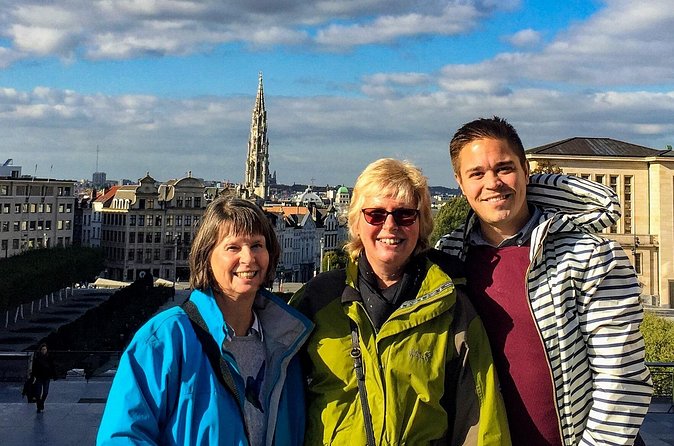
The route includes a peaceful urban park set among EU buildings. This is a useful change of rhythm after discussing institutions and policy. Instead of seeing Brussels as a cluster of offices, you get a sense of how public space and daily routines exist beside major political power.
Your guide can use the park to explain the local side of EU life. People working in international institutions share the city with residents who may have very different concerns. That contrast is one of the most interesting features of Brussels, and it is easy to miss if you only visit formal landmarks.
Do not expect a major sightseeing stop with a long list of monuments. The appeal is the pause and the setting. If you want to cover many famous buildings quickly, your guide may need to keep this section brief. If you enjoy observing how a city functions, it can be one of the more revealing parts of the route.
A few more options to weigh up in Brussels
- From Brussels: Full-Day Antwerp and Ghent Guided Tour
★ 4.6 · 1,019 reviews - Brussels 3-Hour Guided Art Nouveau Tour
★ 4.0 · 282 reviews - Brussels Highlights & Hidden Gems Private Tour with a Local Guide
★ 5.0 · 251 reviews - Brussels: Chocolate Workshop and Guided Walking Tour
★ 4.7 · 225 reviews
The triumphal arches and national pride
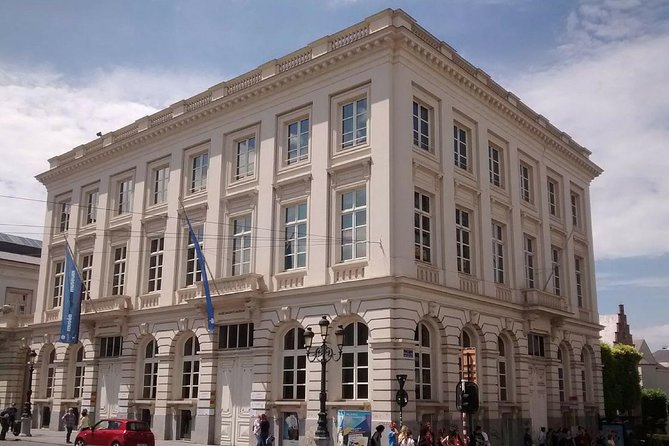
Another stop brings you to a 19th-century park with grand arches and carefully maintained gardens. Here, the guide connects Belgian national pride with the European ideal of cooperation and unity.
That connection matters. Brussels can sometimes feel like two capitals at once: the capital of Belgium and the working center of a wider political project. The park helps you consider how those identities overlap. Formal monuments tell one story about the nation, while nearby EU buildings point toward a shared European future.
The setting also offers a more visual break from political conversation. You can take in the arches and gardens while your guide explains why public monuments matter. I like tours that use architecture as evidence rather than decoration, and this stop seems designed for that approach.
The drawback is time. Three hours sounds generous, but the route covers a broad area. You may get a clear explanation and time for questions, but not a long, unhurried visit at every location.
Matongé and Brussels’ Congolese connection
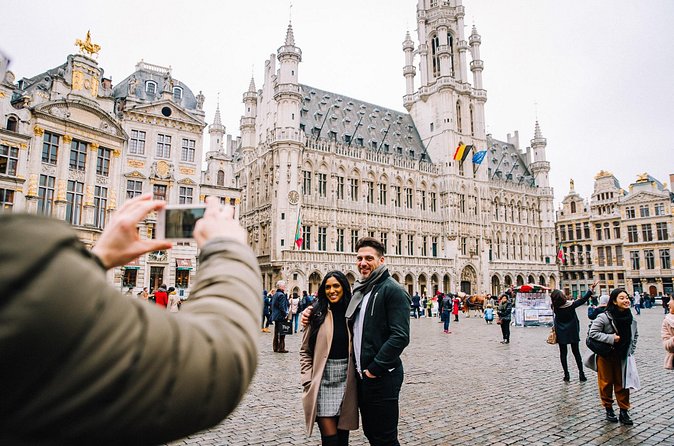
Matongé brings a different Brussels into view. This Congolese neighborhood is known for its shops, murals, cafés, color, and strong sense of local identity. Your guide introduces the area while discussing Belgium’s colonial past and the multicultural life of the present city.
This stop gives the tour needed balance. EU politics can dominate the image of Brussels, but the city is also shaped by communities, migration, memory, and old relationships between Belgium and Central Africa. Matongé makes those subjects visible in streets and storefronts rather than leaving them in a lecture.
You should approach this part with curiosity and respect. The guide’s role is not simply to point out cafés or colorful walls. It is to help you understand why this neighborhood matters and how colonial history still affects public discussion.
If food interests you, add that to your pre-tour questionnaire. Food and drinks are not included, but the guide may be able to suggest places or work local tastes into the conversation. Laurence, one of the guides praised for this experience, has been described as adding Belgian coffee and hot chocolate during a broader city outing. Treat that as a guide-led possibility, not a guaranteed inclusion.
Matongé also shows why a private tour can work better than a fixed group route. You may want to ask about Belgium’s colonial legacy, present-day identity, or how neighborhoods change when international institutions and new residents share the same city. A private conversation gives you the time to do that thoughtfully.
The Atomium and Mini-Europe’s big idea
The Atomium provides the tour’s most recognizable visual finish. Built as a symbol of scientific progress and modern confidence, it looks very different from the solemn European institutions and 19th-century monuments seen earlier.
Nearby Mini-Europe adds another layer. Together, these attractions point toward ideas about Europe’s shared past, unity, and future. Your guide can help you consider the contrast between a grand vision of progress and the complex political work needed to keep a continent cooperating.
The Atomium is also farther from the central political district, which is why transport planning matters. No private vehicle is included. Depending on the route your host creates, you may use public transport or a local taxi, with those costs paid separately.
Tickets to the Atomium and Mini-Europe are not included. The information provided does not promise admission, so ask your host how much time will be spent outside and whether tickets fit your plan. If you already have tickets, mention that before the tour. If you want a full interior visit to both attractions, three hours may feel tight once travel time is included.
I see this final section as strongest when treated as a visual and symbolic stop, not as a complete attraction visit. You get a useful contrast between Brussels as a place of policy and Brussels as a city that once imagined a bright technological future.
What the guides add to the experience
The guide makes or breaks this tour. The strongest examples here are people who can adjust the conversation instead of repeating memorized facts.
Andrea has been praised for articulate explanations and strong command of EU policy. That makes him a good match if you want to ask about institutions, energy, international affairs, or European integration.
Michael has been described as flexible and thoughtful across a wide range of subjects. His style appears to suit people who prefer genuine political discussion to a standard city script.
Laurence has received especially warm praise for personal care. One guest with special needs felt fully supported and never treated as an inconvenience, while also covering history, politics, culture, coffee, and hot chocolate. That is useful evidence for anyone who worries that a private tour will be too rigid or impersonal.
The stated rating is 4.8 from four reviews. That is a strong result, but the sample is small. I would focus less on the number and more on the repeated themes: flexibility, clear explanations, personal attention, and the ability to discuss serious subjects in a friendly way.
Price, group size, and what you actually receive
The cost is $137.24 per person. That is not a budget walking tour, but this is not a standard group outing either. You are paying for a private guide, a flexible start time, direct planning contact, and the chance to shape the route around your interests.
The value improves when several people share the experience. Families, couples, colleagues, or friends can split the cost of one private guide while keeping the conversation focused. For a solo visitor, the price is harder to justify unless EU politics or personalized planning is a major priority.
Food, drinks, attraction tickets, and transport are extra. Gratuities are optional. Those additions can change the final cost, especially if your route includes the Atomium area and you choose to use taxis or enter attractions.
The tour lasts about three hours. That is enough time for a thoughtful overview, but not enough for long visits at every stop. I would see it as a city orientation with political depth, not a full tour of each attraction.
Free cancellation is available if you cancel at least 24 hours before the start time. Changes or cancellations inside that window are not accepted for a refund, and cut-off times follow local Brussels time.
Who should book this Brussels experience?
I would recommend it to you if you enjoy asking questions, connecting current affairs with places, and seeing parts of Brussels that a standard monument walk may skip. It is particularly well suited to students, policy professionals, politically curious couples, and repeat visitors who want a more personal look at the city.
It also fits families and small groups that dislike fixed commentary. The private format lets you ask for a slower pace, a stronger focus on culture, or more attention to history and local neighborhoods.
You should think twice if you want guaranteed attraction entry, a private vehicle, or a tightly packed sightseeing route with no extra transport costs. You should also clarify access needs in advance. Most people can participate and service animals are allowed, but the route involves walking and may include public transport.
Should you book it?
Book this tour if you want Brussels explained through conversation, not just photographed. The best reason to choose it is the chance to move from the European Parliament to a neighborhood such as Matongé, then connect those places through Belgian history, EU policy, and everyday city life.
At $137.24 per person, it offers the best value for a private group with specific interests. Before booking, use the questionnaire well and ask how your guide plans to handle the distant stops, transport, and attraction tickets. If your questions are ready and your expectations are clear, this can be a sharp, personal introduction to Brussels’ political and cultural character.
FAQ
How long does the Brussels Politics Tour last?
The tour lasts approximately three hours.
Is this a private tour?
Yes. Only your group participates, and the experience is designed as a private, personalized walking tour.
What language is the tour offered in?
The tour is offered in English.
Where does the tour start?
The standard central meeting point is Starbucks at Grand Place 4, 1000 Bruxelles. A hotel meeting point may be arranged if your hotel is on the available list.
Does the tour include hotel pickup?
Your host may meet you at your selected hotel, after which the tour begins on foot. If your hotel is not listed, you can choose the central landmark meeting point.
Is transportation included?
No private vehicle is included. Public transport or local taxis may be used between sites, and those costs are paid separately.
Are attraction tickets included?
No. Tickets to attractions such as the Atomium or Mini-Europe are not included.
Can I cancel for a full refund?
Yes, if you cancel at least 24 hours before the experience start time. Cancellations or changes made less than 24 hours before the start time are not eligible for a refund.
Just added in Brussels
- Transfer from BRU Airport to Brussels city (any hotel or address)★ 5.0 · 1 review
- Standard vehicle from Brussels airport to city of Antwerp★ 5.0 · 4 reviews
- Standard Minivan from Brussels airport to city of Antwerp★ 5.0 · 1 review
- Private transfer from BRU Airport – Brussels GO BACK MB V-CLASS 7 PAX★ 5.0 · 2 reviews
- Private transfer from Brussels Airport to Brussels city Business car★ 5.0 · 1 review
- Transfer Brussels Airport -> Antwerp MB V-CLASS 7 PAX★ 5.0 · 1 review
- Private transfer from BRU Airport to Bruges with Mercedes V class 7 pax★ 5.0 · 1 review
- Private transfer from BRU Airport to Bruges with luxury limousine 3 pax★ 5.0 · 1 review
Guided, compared.
From Brussels: Guided Day Trip to Bruges and Ghent
Read our review →
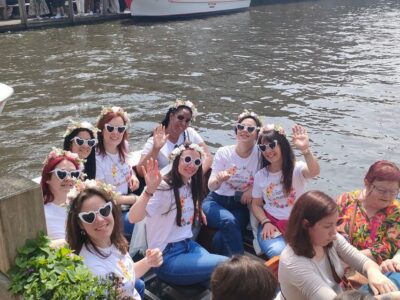
Small Group Boat Cruise and Guided Walking Tour
Read our review →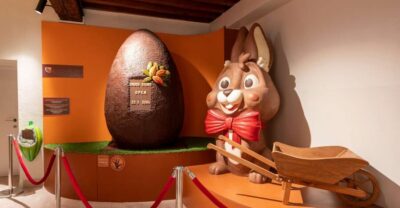
Choco-Story Chocolate Museum Guided Tour w/Tastings
Read our review →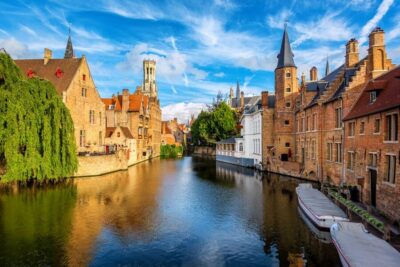
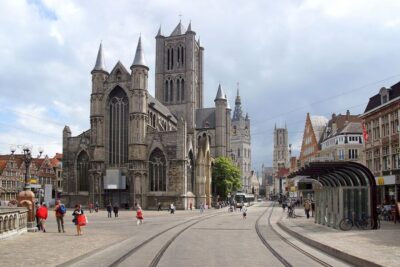
From Brussels: Full-Day Antwerp and Ghent Guided Tour
Read our review →