
Reviewed · MUSEUMS
Mons : the Mons Memorial Museum
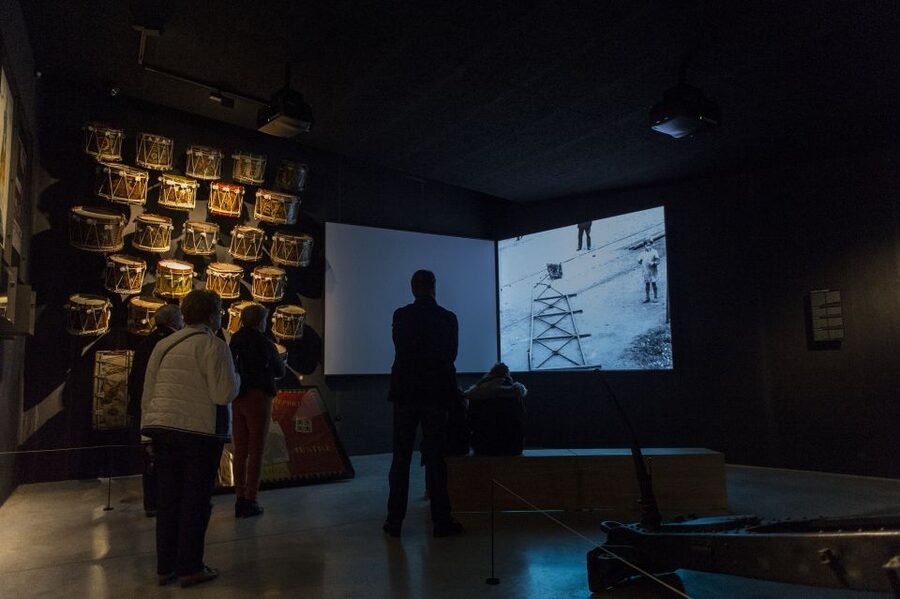
War leaves more than battlefields behind. The Mons Memorial Museum makes that clear through personal stories, military objects, and civilian accounts covering the Middle Ages through World War II. I like the way the museum puts soldiers and civilians side by side, showing how war changes daily life far beyond the front line. I also like the moving collection of diaries, letters, and veteran interviews, which gives the history a human voice.
The main drawback is that the $11 ticket covers entry only. There is no guided tour or audio guide included, so you need to take your time with the written displays and decide how much context you want to absorb on your own. Still, the museum’s friendly staff, emotional exhibits, and unusual objects make it a strong stop in Mons.
In This Review
- Key points to know before visiting
- Why the Mons Memorial Museum is worth your time
- From medieval warfare to modern conflict
- Seeing war through a soldier’s daily routine
- World War I artifacts with real physical impact
- Civilian life under war and occupation
- Letters, diaries, and veteran interviews
- How much time should you allow?
- Is $11 good value?
- Who should visit the Mons Memorial Museum?
- Practical advice for a better visit
- Should you book the Mons Memorial Museum?
- FAQ
- Where is the Mons Memorial Museum located?
- How much does admission cost?
- How long is the experience?
- What historical periods does the museum cover?
- Is a guided tour included?
- What languages are available?
- Is the museum wheelchair accessible?
- How do I enter the museum?
Key points to know before visiting
- Personal stories lead the visit: Diaries, postcards, letters, and recorded veteran interviews keep the focus on real lives.
- The time span is broad: Exhibits move from medieval warfare to World War II, giving you a long view of how conflict changed.
- Civilian life matters here: The museum examines occupation, fear, survival, and the relationship between military and civilian populations.
- Look for unusual WWI objects: A preserved piece of soldier’s bread ration and a one-tonne German bomb from 1917 are among the memorable displays.
- The ticket is affordable: At about $11 per person, admission offers good value, especially for visitors interested in military and social history.
- Plan around your booked time: You must arrive during the selected time slot and show the ticket sent by email at reception.
Why the Mons Memorial Museum is worth your time
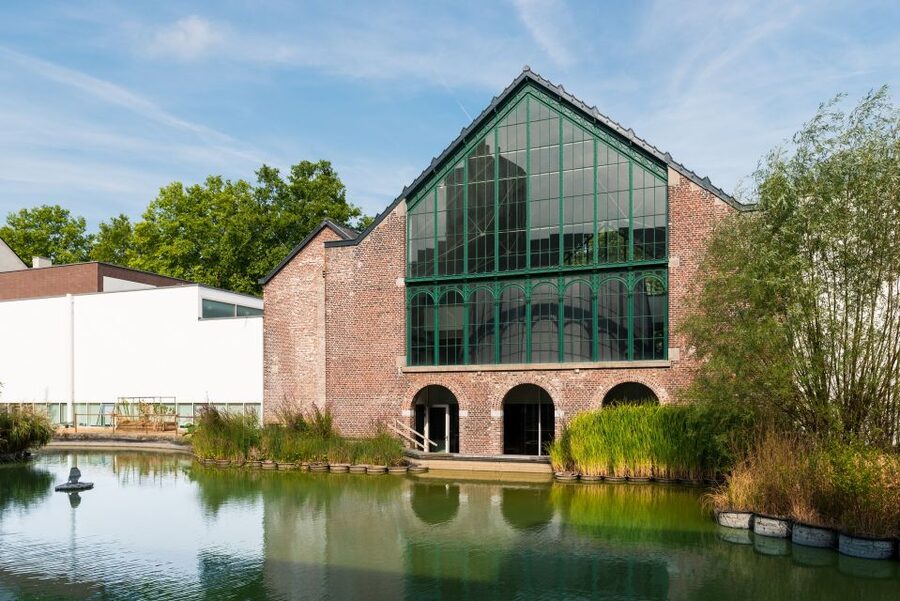
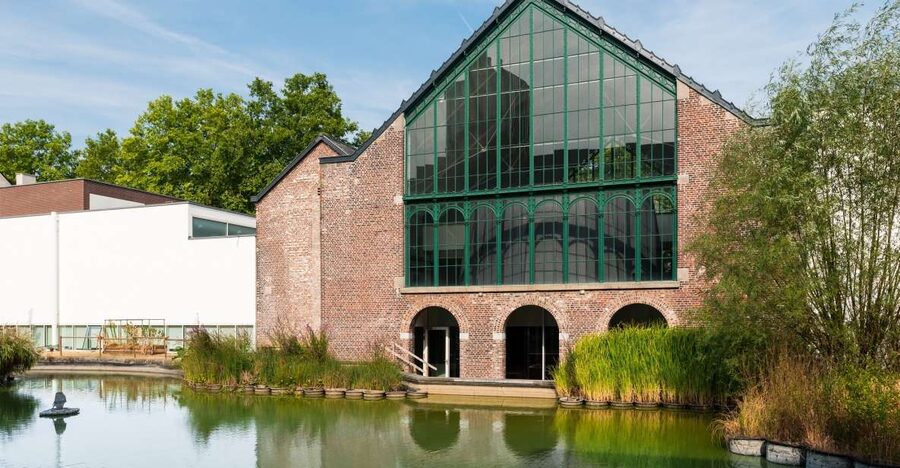
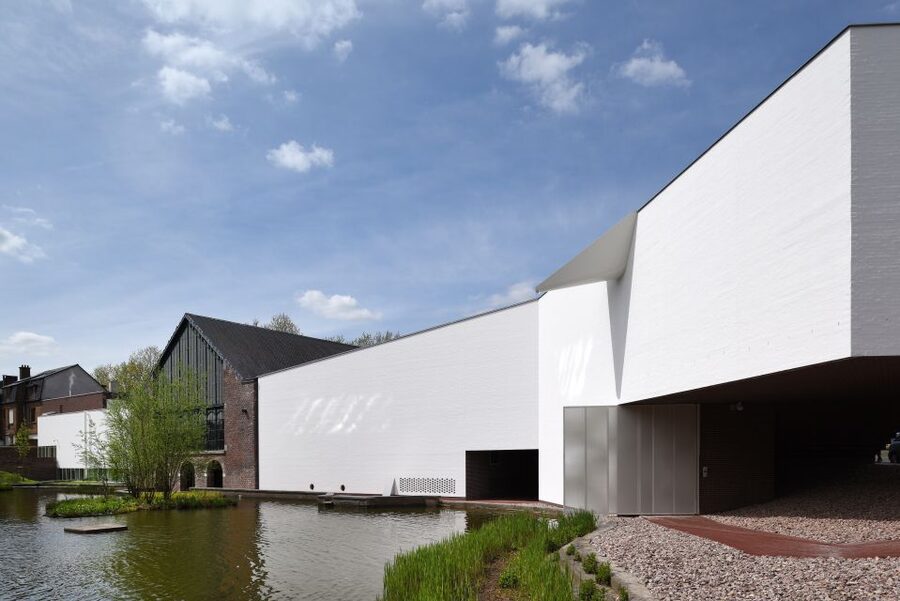
Mons has plenty of old buildings and grand civic spaces, but the Mons Memorial Museum gives the city a different voice. Instead of presenting war as a list of dates and generals, it asks what conflict does to people who must live through it.
That question shapes the visit. You see weapons, bombs, and military equipment, but you also encounter letters to loved ones, daily rations, and accounts from people caught between armies. I find that balance useful because it stops the museum from becoming a simple display of military hardware.
The museum covers a long stretch of time, beginning in the Middle Ages and continuing through World War II. That broad reach helps you compare different kinds of warfare, from older forms of combat to the industrial destruction of the twentieth century.
You should not expect a quick room of famous artifacts. The experience works better as a thoughtful museum visit. Give yourself time to read, watch, and connect the objects with the people who used or endured them.
More trips into Wallonia:
- Luxembourg and Dinant Day Trip from Brussels
★ 4.0 · 1,474 reviews - Bus day trip to Luxembourg and Dinant from Brussels
★ 4.0 · 72 reviews - Remembrance Tour: The Battle of the Bulge in the Ardennes
★ 5.0 · 51 reviews
From medieval warfare to modern conflict
The opening historical material reaches back to the Middle Ages. This section shows that war has long shaped communities, politics, and everyday routines. The museum’s purpose is not to make medieval fighting seem romantic. Instead, it points toward the damage and disruption that conflict caused.
For you, the value of this early section is the wider frame. World War I and World War II did not appear from nowhere. They grew from older patterns of power, territory, military organization, and civilian suffering.
The medieval material also gives the visit a useful change of pace. After seeing later weapons and reading modern letters, you can step back and consider how warfare developed over centuries. The displays help connect distant periods without treating them as isolated chapters.
Because the museum covers so much time, some sections may feel more detailed than others. If your main interest is World War I, you may want to move steadily through the earlier displays and save extra time for the twentieth-century galleries.
Seeing war through a soldier’s daily routine
One of the museum’s strongest ideas is its attention to ordinary military life. You learn about soldiers who were far from home, dealing with food, fear, boredom, orders, and uncertainty.
That approach makes the artifacts easier to understand. A weapon is not only a piece of equipment. It also points to the person carrying it, the orders surrounding its use, and the danger faced by people nearby.
The preserved bread ration is a small but powerful example. Kept in a bottle, it brings attention to the basic needs of a soldier. It is not dramatic in the same way as a large weapon, but that is exactly why it works. Food, shelter, letters, and routine are part of military history too.
You will also see different weapons used across the historical periods covered by the museum. The displays encourage you to think about who wielded them and what those weapons meant for the people on the receiving end.
This is a good place to slow down. Rather than rushing from one object to the next, I would ask what each item says about daily survival. The museum rewards that kind of reading.
World War I artifacts with real physical impact
The First World War material offers some of the most memorable objects in the building. The first one-tonne German bomb from 1917 is a striking example. Its size makes the destructive power of industrial warfare hard to ignore.
A bomb of that scale also helps explain why the war could not be understood as a series of distant battles. Weapons reached farther, damaged larger areas, and affected civilians as well as troops.
The preserved bread ration offers the opposite scale. Set beside a huge bomb, it shifts your attention from destruction to daily life. Together, these objects create a useful contrast: one shows the force of war, while the other shows the small necessities that helped people endure it.
I like this pairing because it gives the WWI galleries a physical sense of scale. You are not only reading about events. You are seeing the size of the objects and considering how they affected real communities.
More Museum Tours in Wallonia:
- Mons : The Doudou Museum
★ 4.2 · 5 reviews - Brussels: Atomium Entry Ticket with Design Museum Ticket
★ 4.4 · 9,254 reviews - Choco-Story Brussels: Chocolate Museum Entrance with Tasting
★ 4.3 · 4,883 reviews - Bruges: Choco-Story Chocolate Museum Guided Tour w/Tastings
★ 4.2 · 1,379 reviews
Civilian life under war and occupation
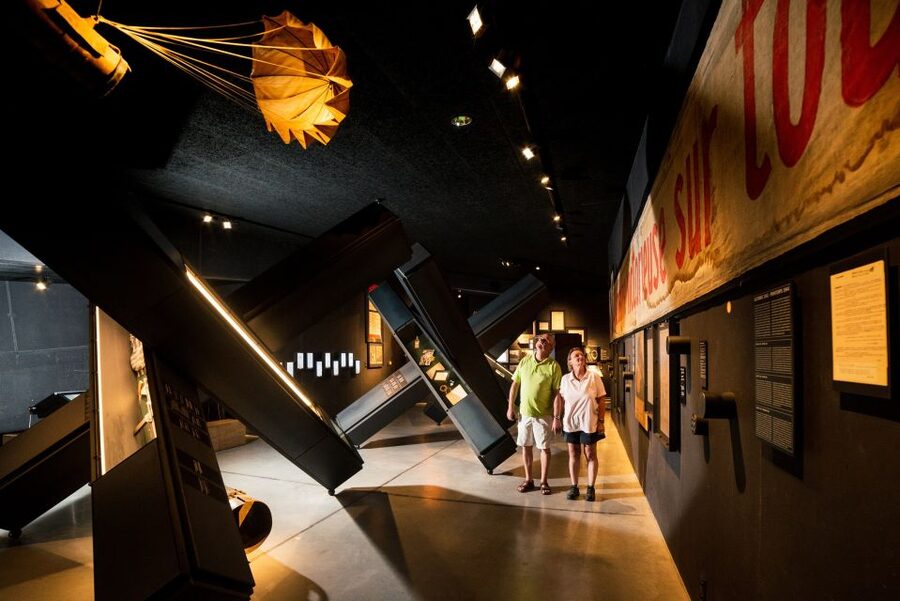
The museum gives civilians an important place in the story. You learn about daily life during peace, war, and occupation, with attention to the pressures faced by men and women away from the battlefield.
This part of the visit matters because military history can easily focus only on armies. The Mons Memorial Museum asks you to consider what happens when civilians must adapt to military control, shortages, uncertainty, and the presence of armed forces.
The relationship between civilian and military populations is one of the museum’s central questions. That makes the visit more than a collection of weapons. It becomes an examination of how war changes work, family life, movement, and personal choices.
The displays do not give you only one version of wartime life. Instead, they point toward several realities at once. A soldier, a civilian, and a family waiting for news may experience the same war in very different ways.
You may find this section more emotionally demanding than the military displays. It deals with people who often had little control over events around them. If you prefer a light sightseeing stop, this is not that kind of museum. If you want a serious look at how occupation affects ordinary people, it is valuable.
Letters, diaries, and veteran interviews
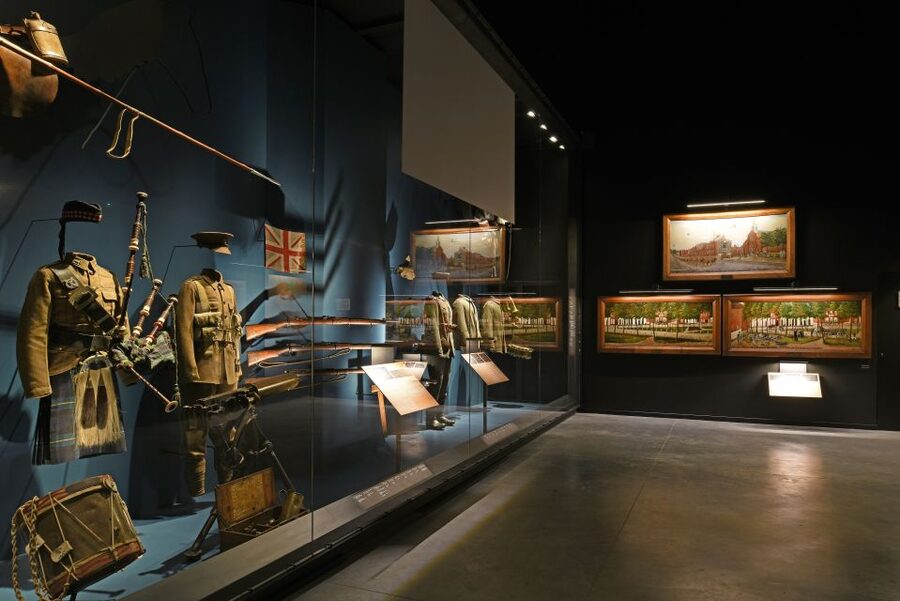
The final part of the visit brings the history close to home. You can read soldiers’ diaries, postcards, and letters sent to sweethearts and family members. These documents show how people tried to keep personal relationships alive while separated by war.
The writing is important because it restores individuality. A uniform can make a soldier seem anonymous. A letter reveals a person with worries, affection, hopes, and a need to explain what cannot easily be explained.
Recorded interviews with veterans add another layer. You hear people reflect on events they experienced, rather than relying only on official accounts or museum labels. That direct testimony gives the closing section a quiet emotional weight.
If the exhibition by Didier Mahieu is on display during your visit, allow extra time for it. It has been described as especially moving, and it may change the tone of your final minutes in the museum.
I would save this section for the end rather than treating it as something to pass through quickly. After seeing weapons and learning about military systems, the letters and interviews bring the focus back to individual lives.
How much time should you allow?
The ticket is valid for a one-day activity, but that does not mean you need to spend an entire day inside. The information provided does not set a fixed visit length, so your timing will depend on how closely you read the displays and how long you spend with the videos and personal documents.
For a quick look, you can focus on the major objects and the World War I material. For a fuller visit, plan enough time to read the civilian accounts, watch the veteran interviews, and compare the medieval, First World War, and Second World War sections.
You should arrive during the time slot you selected. Your entry ticket is sent by email, and you present it at the museum reception to exchange it for admission.
The museum is wheelchair accessible, which makes it a practical choice for visitors who need step-free access. French, English, and Dutch are available through the museum experience and host or greeter arrangements.
Is $11 good value?
At about $11 per person, the admission price is reasonable for a museum with this much subject matter. You are paying for access to a full historical collection, not just one temporary display or a single famous object.
The value is strongest if you enjoy reading and thinking as you go. The ticket does not include a guided tour or audio guide, so the experience depends on your own pace and interest. Some people will appreciate that freedom. Others may prefer a guide to explain the background and connect the periods.
For families, the price can work well if older children have an interest in history. Younger children may respond to the large bomb and military objects, but the written material, letters, and wartime themes require patience.
For history-minded visitors, the ticket is particularly good value because the museum covers both military action and civilian life. You are not left with only a display of equipment. You get a broader account of how war affects a whole society.
Who should visit the Mons Memorial Museum?
I would recommend this museum to you if you want more than a quick photograph beside a historic building. It suits visitors interested in:
- World War I and World War II
- Military equipment and weapons
- Civilian life during occupation
- Personal letters and diaries
- Veteran testimony
- The long development of warfare from the Middle Ages onward
It is also a good choice on a rainy day in Mons, since the visit is indoors and can be taken at your own pace. The accessible facilities make it practical for many visitors, though you should still follow the museum’s entry arrangements and selected time slot.
I would be more cautious about recommending it to someone looking only for an entertaining attraction. The subject is serious, and the museum asks you to consider difficult questions. Its strongest moments come from reflection, not spectacle.
The friendly staff are another positive part of the experience. The museum has received especially warm praise for its welcome, and that matters when you need help with your ticket or want to understand how the displays are arranged.
Practical advice for a better visit
Read the small personal items. The bomb may catch your eye first, but the bread ration, postcards, and letters often tell you more about daily life.
Do not skip the veteran interviews. They are easy to treat as a final extra, yet they provide some of the most direct human testimony in the museum.
Keep your ticket email ready at reception. You need to present it when you arrive, and you should respect the time slot you selected.
If you speak French, English, or Dutch, you can use the language options available at the museum. Since no audio guide is included, check what language you prefer before you begin.
Finally, keep your expectations realistic. This is not a guided tour, and the ticket does not include one. You will get the most from it if you are willing to read the labels and follow the museum’s questions about soldiers, civilians, and the meaning of war.
Should you book the Mons Memorial Museum?
Yes, if you want a serious and personal look at war in Mons. The $11 price is fair, the collection reaches from the Middle Ages to World War II, and the combination of major objects with letters, diaries, and interviews gives the visit real weight.
Book it especially if you value civilian stories as much as military history. Skip it only if you want a fast, highly guided attraction, since you will not receive an audio guide or guided tour with admission. For most history lovers, the preserved bread ration, one-tonne German bomb, and veteran accounts make this an absorbing and worthwhile museum stop.
FAQ
Where is the Mons Memorial Museum located?
The museum is in Mons, in Wallonia, Belgium.
How much does admission cost?
The entry ticket costs about $11 per person.
How long is the experience?
The activity duration is listed as one day. You can check availability for starting times, but no fixed visit length is provided.
What historical periods does the museum cover?
The museum begins with the Middle Ages and continues through World War II.
Is a guided tour included?
No. The ticket includes museum entry only. A guided tour and audio guide are not included.
What languages are available?
French, English, and Dutch are available.
Is the museum wheelchair accessible?
Yes, the museum is wheelchair accessible.
How do I enter the museum?
You receive an entry ticket by email and must present it at reception. Arrive during the time slot you selected.
Just added in Wallonia
- Discover Charleroi while playing! Escape game – The alchemist★ 5.0 · 1 review
- e-Scavenger hunt Spa: Explore the city at your own pace★ 4.5 · 7 reviews
- Discover Charleroi while escaping the zombies! Escape game★ 5.0 · 2 reviews
- Discovery pack★ 4.0 · 6 reviews
- Dinant Discovery Path to Adventure★ 5.0 · 1 review
- Discover Namur while playing! Escape game – The Walter case★ 4.5 · 2 reviews
- Namur: Escape Game in the city – The Alchemist★ 4.0 · 5 reviews
- Discover Dinant while playing! Escape game – The alchemist★ 4.5 · 12 reviews
Museums, compared.
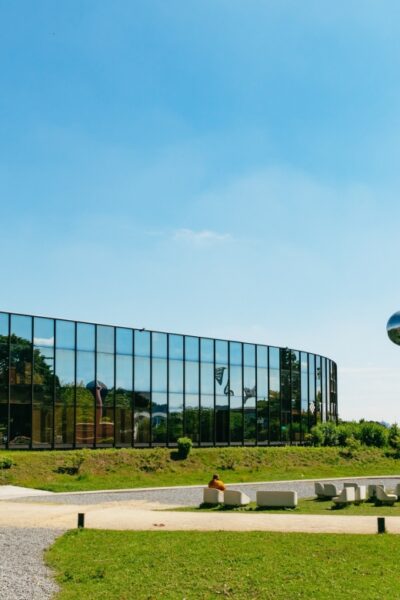
Atomium Entry Ticket with Design Museum Ticket
Read our review →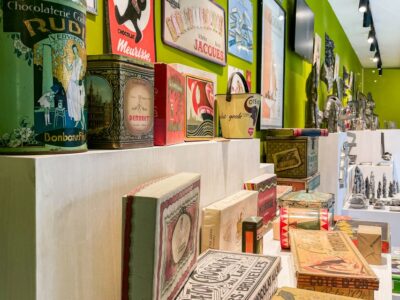
Choco-Story Brussels: Chocolate Museum Entrance with Tasting
Read our review →
Choco-Story Chocolate Museum Guided Tour w/Tastings
Read our review →
2.5-Hour Chocolate Museum Visit with Workshop
Read our review →
The World of Banksy Museum Permanent Exhibition
Read our review →
Chocolate Making Workshop and Chocolate Museum Entry
Read our review →Browse the lists this tour appears in