
Reviewed · WALKING TOURS
Ghent: Guided Walking Tour
Ghent rewards curious walkers. This two-hour tour ties together medieval streets, Gothic churches, Charles V, and the Van Eyck brothers, giving you a useful first look at one of Belgium’s best-preserved old cities. I like the route’s variety, especially the shift from grand civic buildings to the small lanes of Patershol. I also like the practical advice at the end, including suggestions for local restaurants, Belgian beer, museums, and sights to visit next.
The main consideration is pace. The tour covers a lot in two hours, and one departure reportedly began about 20 minutes late, while another ended after roughly an hour. A guide’s accent may also take effort for some listeners. Still, at $17 per person, the experience offers good value if you want orientation and history before exploring Ghent on your own.
In This Review
- Six reasons this Ghent walk is worth considering
- Why Ghent makes a fine walking-tour city
- Sint-Baafsplein and the story of Charles V
- The Belfry and Saint Bavo’s Cathedral
- Ghent Town Hall and Saint Nicholas’ Church
- Graslei, where Ghent’s trade story becomes visible
- The Old Fish Market and local food advice
- Patershol and the Great Butchers’ Hall
- Gravensteen, the dramatic finish
- What the guides add to the experience
- Timing, pace, and the $17 price
- Who should book this Ghent walking tour?
- Should you book it?
- FAQ
- How long does the Ghent guided walking tour last?
- What languages are available?
- How much does the tour cost?
- Where does the tour start?
- Where does the tour finish?
- Does the tour include entrance tickets?
- Is food included?
- Can the guide recommend restaurants and beer?
- What should I bring?
- Can I bring a pet?
Six reasons this Ghent walk is worth considering
- Charles V’s hometown: Learn why Ghent’s people became known as noose-bearers after standing up to their famous native son.
- A strong medieval route: See the Belfry, Saint Bavo’s Cathedral, Saint Nicholas’ Church, Graslei, Patershol, and Gravensteen in one compact outing.
- Useful local advice: Ask where to eat outside the most touristy areas, which Belgian beers to try, and which museums deserve your time.
- A memorable food stop: Hear about Flemish specialties and the Kwak beer served at De Dulle Griet, the famous shoe pub.
- Spanish or English guiding: You can choose a live tour in either language, depending on the departure you book.
- Good first-day value: The tour helps you decide if you want to pay for the castle, see the Mystic Lamb, or take a boat ride later.
Why Ghent makes a fine walking-tour city
Ghent is compact enough to cross on foot, but its major sights do not all tell the same story. A church points you toward medieval religion and trade. The town hall reveals civic power. The castle recalls a time when rulers wanted control over the city itself. A short walk can carry you through several centuries.
That variety is the best reason to take a guided introduction. You are not simply checking off buildings. You are learning how the pieces fit together, then deciding which ones deserve a closer look.
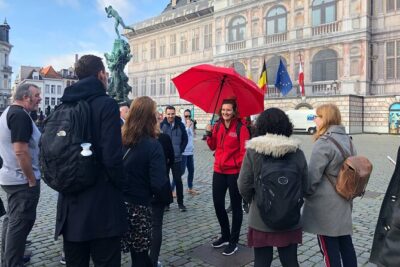
The route begins at Sint-Baafsplein, the square beside Saint Bavo’s Cathedral. The exact meeting point can vary with the option you book, so check your confirmation carefully and arrive with comfortable shoes. The walk finishes at Gravensteen, according to the route provided, though the meeting-point information also describes the activity as ending back at the meeting point. That small difference is worth clarifying before you go.
More Walking Tours in Ghent
- Historical Walking Tour: Legends of Gent
★ 5.0 · 1,761 reviews - Ghent: Belgian Chocolate Walking Tour with Tastings
★ 4.9 · 259 reviews - Gastronomic Walking Tour of Gent – Tasters included
★ 5.0 · 199 reviews
Sint-Baafsplein and the story of Charles V
The opening square gives your guide a natural place to explain Ghent’s place in Belgian history. Charles V was born in Ghent and later became Holy Roman Emperor and King of Spain. His connection to the city is not presented as a simple source of local pride.
The people of Ghent resisted a tax demand from Charles V, and the punishment helped create their famous nickname, noose-bearers. The story gives the tour a human entry point: Ghent was not just a rich medieval city waiting for royal approval. It had its own fierce civic identity.
I like beginning here because the guide can establish the political character of the city before pointing out the monuments. You also get immediate bearings, which matters if you are making a day trip and have only a few hours to work with.
The Belfry and Saint Bavo’s Cathedral
The Belfry of Ghent receives about 15 minutes of guided attention. Its role was practical as well as symbolic. Bell towers announced danger, marked time, and represented the independence of a prosperous city. You can look at the tower with more understanding after hearing why such a building mattered to medieval townspeople.
The tour does not include entrance to museums or monuments, so this stop is primarily an exterior explanation unless your chosen arrangement says otherwise. That is helpful for a first pass, but you should not expect time to climb the Belfry during the walk.
Saint Bavo’s Cathedral follows, with another 15-minute segment. The Gothic facade is impressive, but the main talking point is the Van Eyck brothers’ Adoration of the Mystic Lamb. The painting is one of Ghent’s major cultural treasures, and the guide can explain why it matters before you decide if you want to see it more closely on your own.
This is one of the tour’s most useful moments. Without some context, the Mystic Lamb can become just another famous artwork on a sightseeing list. A short introduction helps you judge how much time to reserve for the cathedral and its art.
Ghent Town Hall and Saint Nicholas’ Church
Ghent Town Hall is an architectural lesson in contrasts. Its Gothic and Renaissance facades reflect different periods and different ideas about civic style. The building is especially useful for understanding that old European cities were not built in one neat historical block. They changed as wealth, politics, and taste changed.
The guided stop lasts about 15 minutes. That is long enough for an explanation and photographs, but not for a detailed architectural study. If you enjoy close inspection of stonework, plan to return after the tour.
At Saint Nicholas’ Church, you see another major Gothic landmark. Its position near the Korenmarkt and the Masons’ Guild House makes this part of the route visually rewarding. The nearby guild house adds a quirky human touch to the grand church architecture.
I appreciate that the route includes both religious and civic buildings. You get a broader picture of Ghent than you would from a walk focused only on castles and canals. The possible drawback is that 15 minutes per stop can feel brief when a guide has a lot to say.
A completely different kind of day:
- Ghent: 50-Minute Medieval Center Guided Boat Trip
★ 4.5 · 5,637 reviews - Ghent: 40 Minute Medieval Center Guided Boat Tour
★ 4.4 · 884 reviews - Evening Tour of the Dark Side of Gent
★ 5.0 · 646 reviews - Ghent Bike Tour Off-the-beaten-track
★ 5.0 · 505 reviews
Graslei, where Ghent’s trade story becomes visible
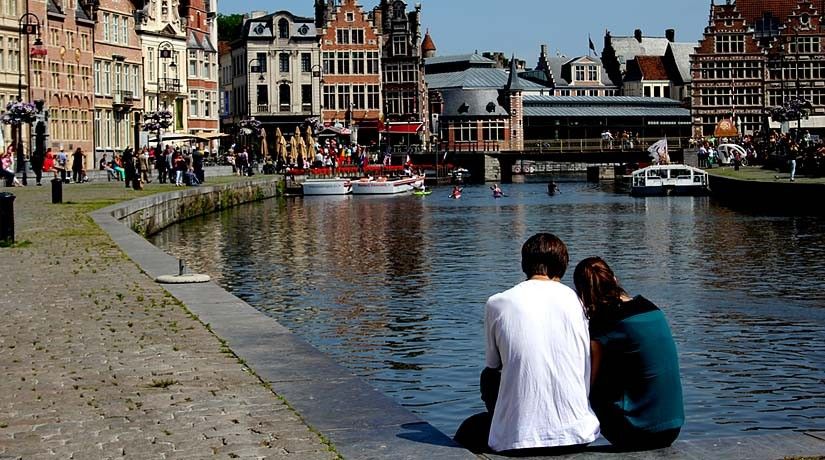
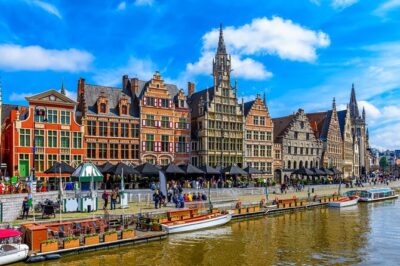
Graslei is one of the most attractive parts of the walk. The embankment brings together historic facades, water, and the old commercial life of the city. This is the kind of place where a guide’s explanation adds real value because the buildings are not just decorative. They point to Ghent’s role in trade and transport.
You will have time to photograph the waterfront and ask questions. Do not expect a long pause for a meal or drink, since food is not included and the tour keeps moving.
This is also a useful place to ask about a later boat ride. The guide can help you decide if seeing Ghent from the water fits your schedule. That kind of advice is especially useful on a short visit, when you need to choose between several appealing sights.
The Old Fish Market and local food advice
The Old Fish Market shifts the mood again. The area recalls the everyday business of feeding a city, rather than only its rulers, churches, and wealthy merchants. It gives the route a more ordinary side of Ghent.
Your guide can also introduce typical Flemish food and point you toward local specialties. Food is not part of the $17 price, so think of this as guidance rather than a tasting tour. That distinction matters if you are expecting samples.
One practical benefit is the chance to ask where to eat lunch away from the most touristic streets. The guides have also offered advice about Belgian beer, including the Kwak beer associated with De Dulle Griet, the well-known shoe pub. The unusual serving tradition is part of the fun, but you will pay for the drink yourself.
I would save restaurant questions for this part of the walk. Ask for a place suited to your budget and how much time you have. Recommendations can be more useful than a long list of famous addresses.
Patershol and the Great Butchers’ Hall
Patershol is a welcome change from the broad squares and monumental facades. Its narrow streets give you a sense of the older residential city. The neighborhood is included as part of the walking route, not as a separate food crawl, so use the guide’s comments to decide if you want to return later.
The Great Butchers’ Hall provides another practical glimpse into urban life. Its open wooden truss roof is a memorable feature, and the building helps explain how food was handled and sold before modern shops and refrigeration.
This stretch is good for people who prefer atmosphere to a checklist. It also gives families a break from formal church and government architecture. Keep children close in the narrow streets, and remember that pets are not allowed on the activity.
Gravensteen, the dramatic finish
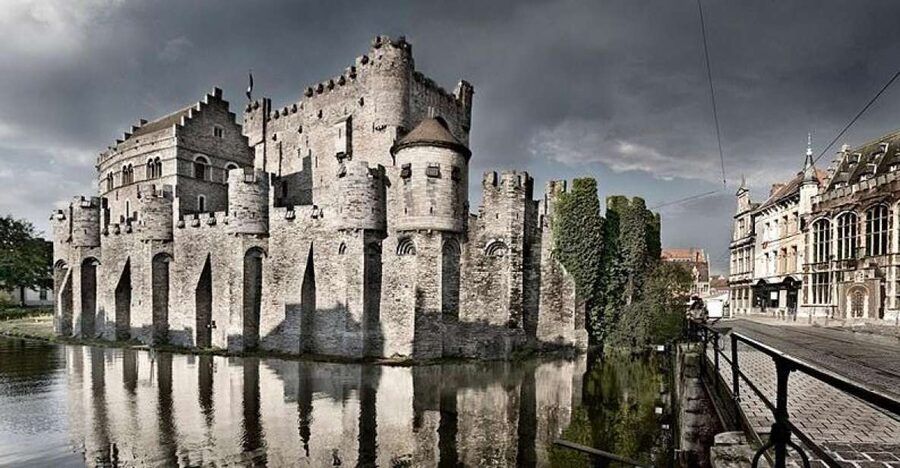
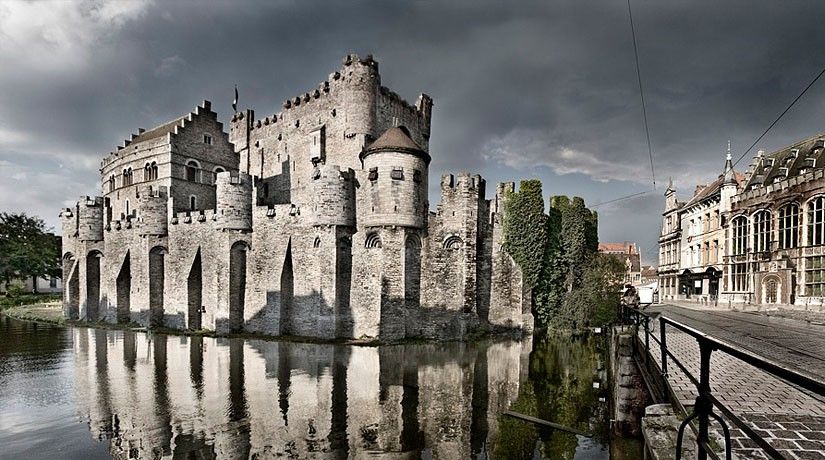
The tour ends at Gravensteen, also called the Castle of the Counts. Its battlements and heavy medieval form make it a strong final stop. After seeing Ghent’s churches, guild buildings, and trade district, you can better understand why a fortified residence mattered in the center of the city.
The guide’s visit is an exterior introduction rather than a ticketed castle tour. Entrance fees are not included, so you need to return separately if you want to explore inside. That is not a flaw, but it affects how you plan your day.
Ending here makes sense. Gravensteen is easy to remember, easy to spot, and a natural place to continue sightseeing. You can ask the guide if the castle should be your next priority or if the Mystic Lamb, a museum, or a boat ride better suits your interests.
What the guides add to the experience
The strongest praise for this activity concerns the guides’ presentation. Pablo has been described as engaging and well prepared, while Mark was praised for making the walk fun and interactive. Bruno was noted for friendly humor, clear explanations of Ghent’s buildings, and useful restaurant suggestions.
Lucas was praised for including children in the discussion, which matters if you are bringing a family. The tour is not described as a specialized children’s program, but an inclusive guide can make the history easier for younger walkers to follow.
Guide quality can vary, as it does on any scheduled walking tour. One caution is language clarity. A thick accent was difficult for some older members of one group, so consider this if you or someone with you has trouble understanding accented English. Spanish-speaking visitors may prefer the Spanish departure if available for their date.
The best use of your guide is to ask questions. You can request recommendations on lunch, beer, museums, the castle, the Mystic Lamb, and the boat ride. A two-hour walk becomes much more useful when it helps shape the rest of your day.
Timing, pace, and the $17 price
Two hours is enough to get a strong outline of central Ghent, but not enough for long interior visits. Each listed stop receives about 15 minutes of guided attention, which explains the efficient pace. You will see the important areas, then choose where to spend more time later.
At $17, I consider the price fair for a live guide in English or Spanish, especially if you are visiting Ghent for one day. The recommendations alone can save time and help you avoid eating in the most expensive tourist area. The value is lower if you already know Ghent well or prefer to wander without a set route.
Build in a little flexibility before and after the scheduled time. One departure began about 20 minutes late while waiting for people arriving from Brussels, and another account described a shorter-than-advertised finish. These are not reasons to reject the tour, but I would avoid booking a tight train connection immediately afterward.
Free cancellation up to 24 hours before the activity and the option to reserve now and pay later make the booking less rigid. Still, those terms should not replace checking the exact meeting point and starting time for your date.
Who should book this Ghent walking tour?
I would recommend it most strongly to first-time visitors, day trippers from Brussels, and anyone who wants a quick framework before choosing paid attractions. It is also a good fit if you enjoy asking local questions rather than following a silent audio guide.
Families may appreciate the manageable length and the possibility of a guide who includes children. People who want a deep look inside the cathedral, Belfry, or castle should treat this as an introduction, not a complete cultural tour.
You will walk for two hours, so wear comfortable shoes. Food, drinks, and museum admission are extra. Pets are not permitted.
Should you book it?
Book this tour if you want fast orientation, memorable stories, and practical advice at a modest price. The route covers an unusually strong collection of Ghent sights, from the Van Eyck connection and Belfry to Graslei, Patershol, and Gravensteen.
Skip it if your schedule requires exact timing, if you already know the old center, or if you want long visits inside each monument. For most first visits, though, it is a sensible way to begin. Let the guide provide the map and the context, then spend the rest of your day following your own interests.
FAQ
How long does the Ghent guided walking tour last?
The scheduled duration is two hours. The route includes several stops, with about 15 minutes of guided attention listed for each major location.
What languages are available?
The tour is offered with a live guide in English or Spanish. The language depends on the departure option you select.
How much does the tour cost?
The listed price is $17 per person.
Where does the tour start?
The starting point is in the Sint-Baafsplein area, with the listed address at Sint-Baafsplein 2. The exact meeting point may vary depending on the option booked.
Where does the tour finish?
The route lists Gravensteen as the final stop. The meeting-point information also says the activity ends back at the meeting point, so check your booking details if the finishing location matters to your schedule.
Does the tour include entrance tickets?
No. Entrance to museums and monuments is not included.
Is food included?
No. Food and drinks are not included. The guide can discuss typical Flemish food and recommend places to eat.
Can the guide recommend restaurants and beer?
Yes. Recommendations may include restaurants outside the most touristic area, Belgian beer advice, and the Kwak beer associated with De Dulle Griet.
What should I bring?
Bring comfortable shoes because the experience is a two-hour walking tour.
Can I bring a pet?
No. Pets are not allowed on the activity.
Just added in Ghent
- Historic Highlights, by a local guide★ 5.0 · 9 reviews
- Discover Ghent while playing! Escape game – The alchemist★ 4.0 · 4 reviews
- Walking Food Tour in Ghent★ 5.0 · 13 reviews
- Discover Ghent while playing! Escape game – The Walter case★ 4.5 · 4 reviews
- e-Scavenger hunt Ostend: Explore the city at your own pace★ 4.5 · 10 reviews
- Discover Mons while playing! Escape game – The alchemist★ 4.0 · 5 reviews
- Kortrijk Self-Guided Sherlock Holmes Murder Mystery Game★ 5.0 · 2 reviews
- Taste of Ghent: Private Chocolate Walking Tour★ 5.0 · 1 review
Walking Tours, compared.

Small Group Boat Cruise and Guided Walking Tour
Read our review →
Walking Tour, Canal Boat Trip w/Beer Tasting Option
Read our review →
Historical Walking Tour with Chocolate & Waffle Tasting
Read our review →
Brussels Walking and Tasting Tour (Beers,Chocolates&Fries/Waffle)
Read our review →
Browse the lists this tour appears in