
Reviewed · WALKING TOURS
Ghent: Private Walking Tour
Medieval Ghent rewards curious walkers. This private 90-minute tour brings together the city’s three-tower skyline, medieval trade, famous art, and local legends, with a guide focused only on your group. I like the private format and the chance to adjust the walk on the spot. The main drawback is its short length, especially if you want to enter major sights or spend time inside St. Bavo’s Cathedral.
You’ll walk through one of Belgium’s most attractive city centers, from churches and quays to grand civic buildings and the imposing story of Gravensteen Castle. At $288 per group of up to 15 people, the price makes the most sense for a family or group that wants a private introduction rather than a standard group walk.
In This Review
- Key points at a glance
- Why Ghent works so well on foot
- Meeting the three towers of central Ghent
- Reading Ghent through its churches and squares
- Gravensteen Castle and Ghent’s harder edge
- The Dulle Griet and Ghent’s local stories
- What the private format changes
- Is $288 a fair price for 90 minutes?
- Timing, meeting point, and practical planning
- Who should book this Ghent walk?
- Final verdict: a strong private introduction to Ghent
- FAQ
- Where does the Ghent walking tour meet?
- How long does the tour last?
- Is this a private tour?
- How many people can join the private group?
- What languages are available?
- Are entrance fees included?
- Can the tour be canceled for a refund?
Key points at a glance
- A private group of up to 15: You get one professional local guide for your party, with no strangers added to the group.
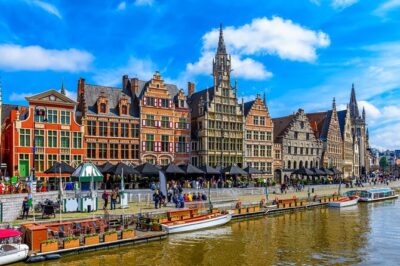
- The three towers define the view: The Belfry, St. Nicholas Church, and St. Bavo’s Cathedral create Ghent’s best-known city panorama.
- Art lovers have a clear highlight: St. Bavo’s Cathedral is linked with the van Eyck brothers’ Adoration of the Mystic Lamb from 1432.
- The walk covers more than pretty buildings: Expect stories about textile wealth, city myths, architecture, and present-day life.
- Gravensteen is part of the story: The tour explains the castle’s place in Ghent’s past, though entrance fees are not included.
- The guide can adapt the experience: English and French are available, and you can discuss possible changes with the guide during the tour.
Why Ghent works so well on foot
Ghent has an unusual balance. It feels like a serious university and cultural city, yet its medieval center remains compact enough to cross on foot. You can move from a church facade to a quiet-looking square, then turn a corner and face a castle or a canal-side view.
That compact layout is especially useful on a 90-minute tour. You are not spending half the outing on transport. The time goes toward streets, buildings, stories, and views. I would think of this experience as a strong orientation walk, not a complete visit to every major attraction.
The setting also gives the guide plenty to explain. Ghent was once one of Northern Europe’s leading centers of wealth because of its textile trade, with roots reaching back to the Middle Ages. That background helps the buildings make sense. The churches, civic halls, quays, and defensive structures were not placed here by accident. They reflect money, power, religion, trade, and the city’s long effort to protect its independence.
More Walking Tours in Ghent
- Historical Walking Tour: Legends of Gent
★ 5.0 · 1,761 reviews - Ghent: Belgian Chocolate Walking Tour with Tastings
★ 4.9 · 259 reviews - Gastronomic Walking Tour of Gent – Tasters included
★ 5.0 · 199 reviews
Meeting the three towers of central Ghent
The city’s famous three-tower view is likely to be one of the tour’s most memorable moments. The composition includes the Belfry, the steeple of St. Nicholas Church, and St. Bavo’s Cathedral. Each tower belongs to a different part of Ghent’s public life, so the view is more than a pleasant photograph.
The Belfry represents civic authority and the city’s medieval independence. The nearby cloth hall connects that authority to the textile economy that helped make Ghent wealthy. The Belfry and cloth hall are recognized on UNESCO’s World Heritage list, giving the guide a natural way to explain why these buildings matter beyond their appearance.
St. Nicholas Church adds another layer to the scene. Its position near the commercial heart of the city helps you picture medieval Ghent as a place of trade and movement. The church’s presence beside the civic buildings also shows how closely religion and commerce were tied together.
St. Bavo’s Cathedral completes the view. It is not simply another old church. It holds late-medieval treasures, including the van Eyck brothers’ Adoration of the Mystic Lamb, painted in 1432. Even if you do not have time to study the artwork during this walk, knowing its place in art history gives the cathedral extra weight.
A practical point matters here: the 90-minute format cannot provide a full cathedral visit, detailed art study, and a broad city tour all at once. If the altarpiece is your main reason for visiting, confirm how much time your guide can devote to it and check any separate entrance arrangements. Entrance fees are not included.
Reading Ghent through its churches and squares
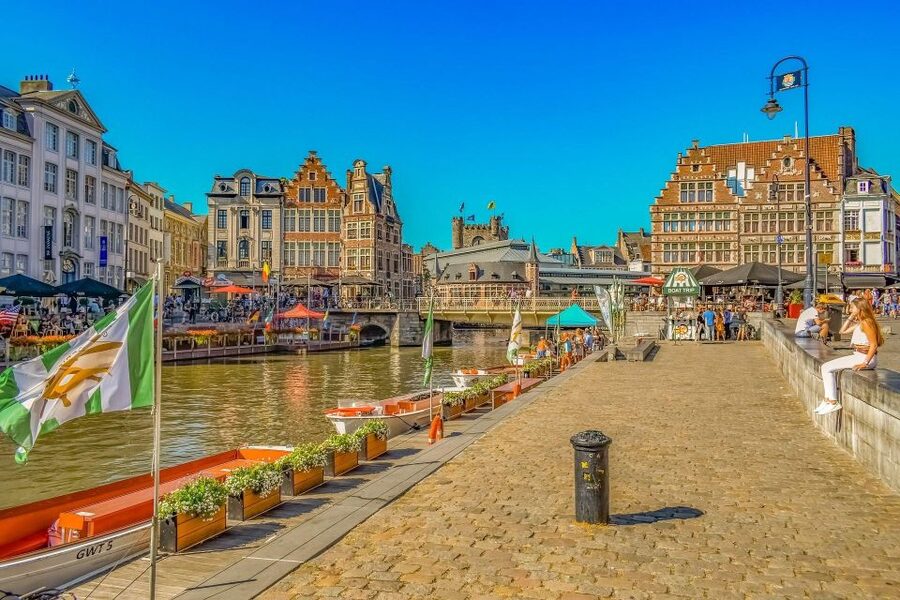
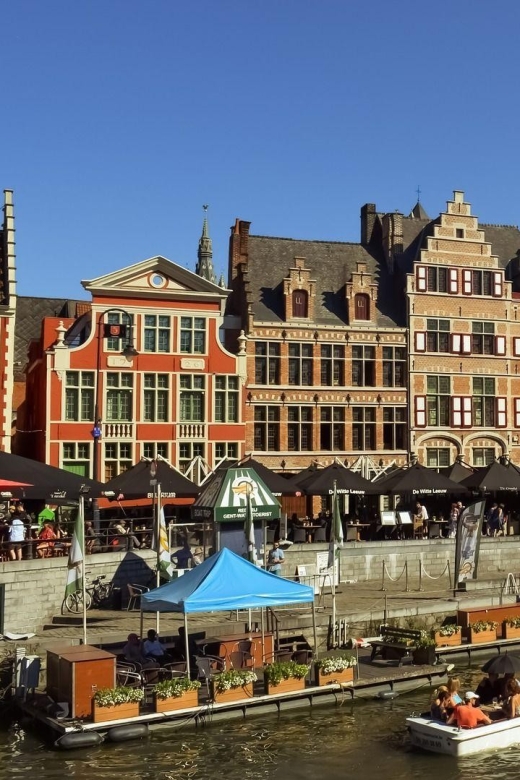
Ghent’s churches and squares give the tour much of its visual appeal. You will see how Gothic forms, stonework, towers, and open public spaces shape the old center. The value of a guide here is not just naming buildings. A good explanation connects the parts so the city feels easier to read.
St. Bavo’s Cathedral offers the strongest example. Its sacred role, architectural scale, and connection to the van Eyck brothers make it an important stop for both art lovers and visitors interested in medieval Europe. The cathedral’s treasures also show that Ghent’s story is not only one of merchants and fortified power. It is also a story of religious devotion and artistic ambition.
The City Hall adds a different visual lesson. Its architecture shifts from flamboyant Gothic to Renaissance styles, showing that Ghent did not develop in one clean period. Buildings changed as tastes, money, and political priorities changed. I appreciate stops like this because they help you notice transitions rather than treating the old center as one single medieval scene.
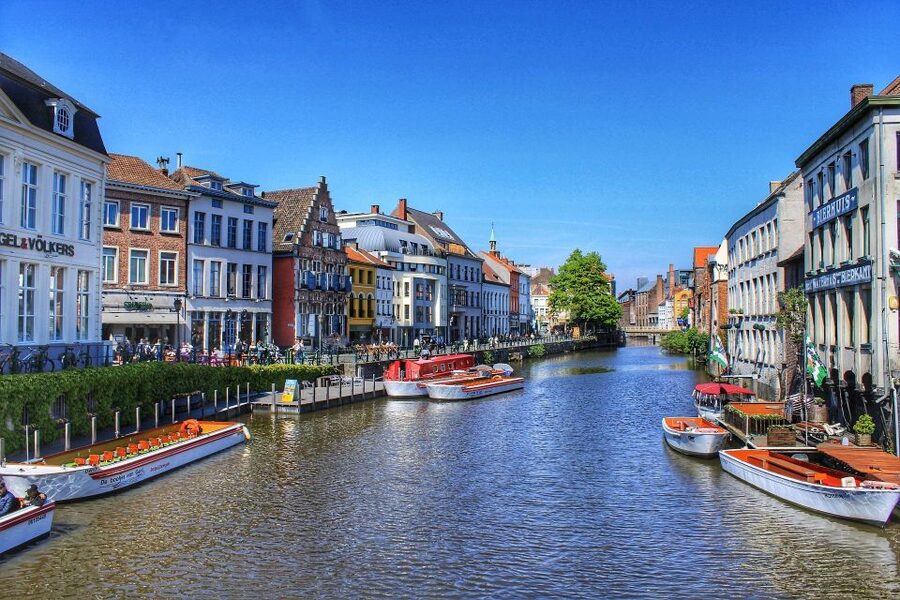
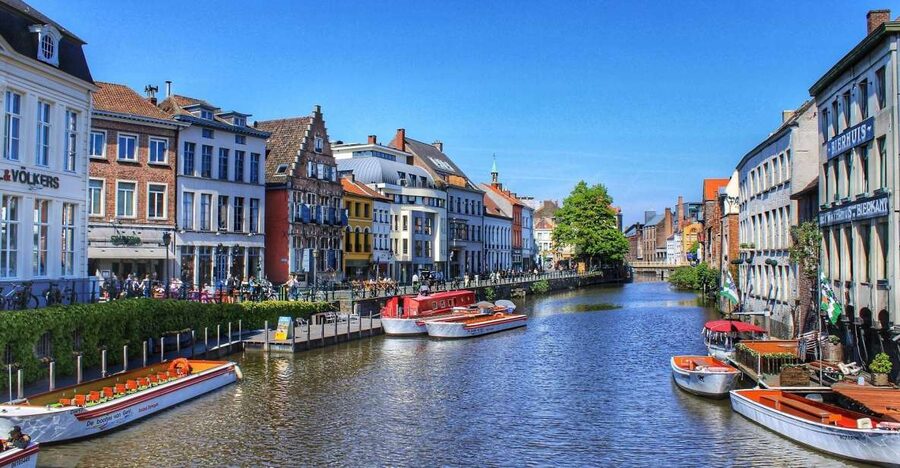
The quays provide another way to understand the city. Their charm comes from the relationship between water, facades, and movement through the center. The tour description places special emphasis on Ghent’s quays, churches, and squares, so you should expect the guide to use these spaces to explain how daily life and commerce shaped the city.
Gravensteen Castle and Ghent’s harder edge
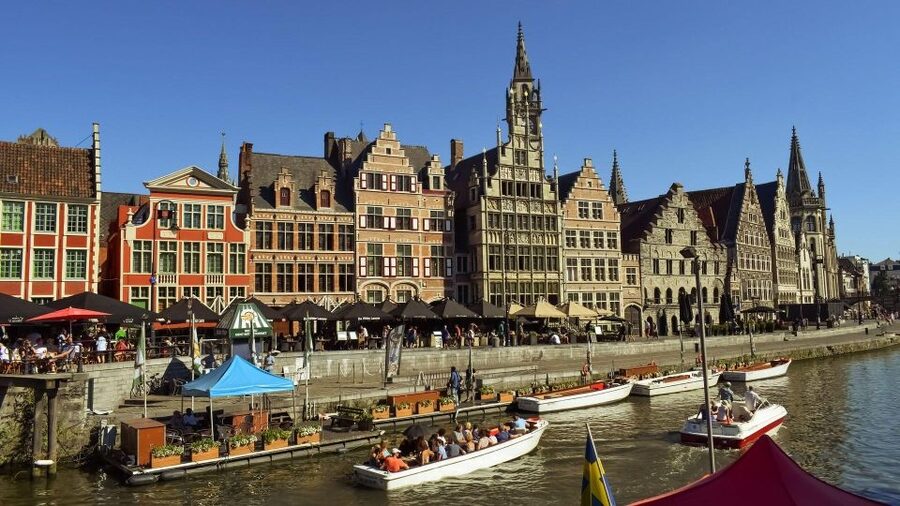
Gravensteen Castle gives Ghent a dramatic counterpoint to its churches and elegant facades. Its history adds fortification, authority, and conflict to the walk. You will learn about the castle’s place in medieval Ghent rather than simply treating it as a picturesque backdrop.
The castle is an important stop for understanding how rulers projected power. Its presence also helps balance the tour. Without Gravensteen, a walk through Ghent could feel focused mainly on beauty and wealth. With it, you get a stronger sense of defense and control.
Do not assume the tour includes admission to the castle. Entrance fees are specifically excluded, and the experience is described as a walking tour rather than a castle visit. If you want to go inside, plan that as a separate activity or ask the guide what can be covered during your time together.
The 90-minute duration makes this distinction important. You can learn why Gravensteen matters and see it in the wider context of the city. You may not have enough time for a thorough interior visit, especially if you also want the cathedral, City Hall, towers, quays, and legends.
A completely different kind of day:
- Ghent: 50-Minute Medieval Center Guided Boat Trip
★ 4.5 · 5,637 reviews - Ghent: 40 Minute Medieval Center Guided Boat Tour
★ 4.4 · 884 reviews - Evening Tour of the Dark Side of Gent
★ 5.0 · 646 reviews - Ghent Bike Tour Off-the-beaten-track
★ 5.0 · 505 reviews
The Dulle Griet and Ghent’s local stories
One of the more unusual sights is Dulle Griet, a 15th-century cast-iron cannon weighing more than twelve tons. Its name is often translated as Evil Woman. This is the kind of object that gives a walking tour personality. It is not just another church or grand facade. It points to military technology, civic pride, and the colorful language used to describe powerful objects.
The tour also promises myths and legends. That matters because old cities are not made only of dates and architectural labels. Stories give you a sense of how people explained danger, ambition, strange monuments, and memorable events.
I would value this part of the walk most if you enjoy the gap between formal history and local storytelling. A guide can point out where a legend belongs in the city and explain how it relates to Ghent’s character. The supplied feedback from the September 27, 2024 verified booking was especially positive about the guide and the many anecdotes. The French comment described the visit as very pleasant and full of stories.
That is the clearest praise attached to this experience, and it suggests a useful expectation: book this tour for human explanation and memorable detail, not simply for a checklist of monuments.
What the private format changes
A private tour feels different from a large walking group. Your guide is with your party only, so the pace can be more personal. You can ask about a building, return to a point you did not understand, or focus more on art, architecture, legends, or everyday life.
The experience also allows possible customization with the local guide on the spot. That does not mean every request can be guaranteed, but it gives you a chance to explain your priorities at the start. If your group includes an art enthusiast, you might ask for more attention to St. Bavo’s Cathedral and the van Eyck altarpiece. If you prefer political history, you might focus on the Belfry, cloth trade, City Hall, and Gravensteen.
Language choice is English or French. This is useful for bilingual families, French-speaking groups, and anyone who wants to hear the stories in a more comfortable language. No other language is specified, so do not assume additional options.
A private guide can also help different generations enjoy the same walk. Children may remember the giant Dulle Griet and castle stories, while adults focus on trade, architecture, or art. The group size limit of 15 is generous for a family or extended group, though the price does not change if only two people attend.
Is $288 a fair price for 90 minutes?
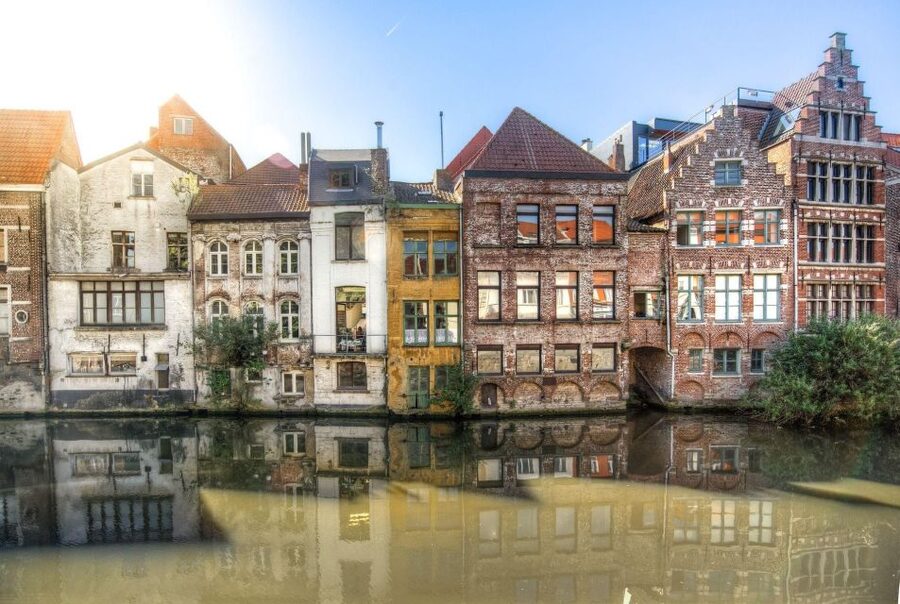
The listed cost is $288 per group of up to 15 people. That is not a low per-person price for a 90-minute walk if you are traveling alone or as a couple. For a full group, however, the calculation changes considerably. At 15 people, the cost works out to about $19.20 per person. At six people, it is $48 each. For two people, it is $144 each.
That makes the tour best suited to families, friends, or organized small groups that value privacy. You are paying for a dedicated local guide, the ability to ask questions freely, and some flexibility in what you discuss. You are not paying for entrance tickets, so budget separately if you want to visit the cathedral or castle interiors.
The value also depends on how you use the walk. If you want a quick introduction before exploring Ghent independently, 90 minutes is efficient. If you want a slow art visit, long photo stops, or detailed interior tours, the time will feel tight.
I would also compare this price with your group’s plans for the rest of the day. A private orientation can help you decide which landmarks deserve more of your time afterward. It is less useful if you already know Ghent well or plan to spend only a short time looking at the exteriors.
Timing, meeting point, and practical planning
The meeting point is on Pakhuisstraat in Ghent, Belgium. Check the exact starting time when you book, since availability determines the options. Arrive ready to walk, with comfortable shoes and enough time to find the meeting point without rushing.
Because the tour lasts 90 minutes, tell your guide your priorities early. The guide can potentially adjust the walk on the spot, but the city offers more material than can fit into one short outing. Decide before you begin if your main interest is medieval trade, religious art, architecture, legends, or Gravensteen.
The cancellation policy is flexible: you can cancel up to 24 hours in advance for a full refund. You can also reserve now and pay later, which helps if your schedule is still changing.
The private format makes this a useful first activity in Ghent. You can get the city’s basic structure, learn which sights deserve a longer visit, and then continue on your own. Just keep your expectations realistic. This is a guided introduction, not a substitute for every museum, church, or castle interior.
Who should book this Ghent walk?
I would recommend it most strongly to groups of several people who want their own guide. Families can adjust the pace and keep the stories focused. Friends can shape the discussion around food, art, architecture, or medieval life. French-speaking groups have a clear language option, while English-speaking groups can use the tour as a practical first look at the center.
It also suits anyone who likes stories with their sightseeing. The Dulle Griet, city legends, textile wealth, castle history, and van Eyck connection give the walk more variety than a simple list of buildings.
Art specialists should treat the tour as an introduction to the van Eyck masterpiece, not as a full study session. Castle enthusiasts should ask about Gravensteen’s history but plan separately for admission. And if you have only 90 minutes in Ghent, this walk can help you use that limited time well.
Final verdict: a strong private introduction to Ghent
Book this tour if you want a private guide, a compact introduction to medieval Ghent, and plenty of anecdotes along the way. The strongest features are the personal format, the clear focus on the city’s major landmarks, and the chance to connect famous sights with trade, religion, art, and local stories.
Skip it if you are traveling alone on a tight budget, need interior admission included, or want a long art-and-castle visit. For a group of several people, though, the $288 price becomes easier to justify. The positive French feedback about the guide’s pleasant manner and anecdotes supports the tour’s main appeal: Ghent is more enjoyable when someone helps you read the stories behind its handsome streets.
FAQ
Where does the Ghent walking tour meet?
The meeting point is on Pakhuisstraat, 9000 Gent, Belgium.
How long does the tour last?
The walking tour lasts 90 minutes.
Is this a private tour?
Yes. It is a private group experience, and the guide will be with your group only.
How many people can join the private group?
The price covers a group of up to 15 people.
What languages are available?
The tour is offered in English and French.
Are entrance fees included?
No. Entrance fees are not included in the tour price.
Can the tour be canceled for a refund?
Yes. You can cancel up to 24 hours in advance for a full refund.
Just added in Ghent
- Historic Highlights, by a local guide★ 5.0 · 9 reviews
- Discover Ghent while playing! Escape game – The alchemist★ 4.0 · 4 reviews
- Walking Food Tour in Ghent★ 5.0 · 13 reviews
- Discover Ghent while playing! Escape game – The Walter case★ 4.5 · 4 reviews
- e-Scavenger hunt Ostend: Explore the city at your own pace★ 4.5 · 10 reviews
- Discover Mons while playing! Escape game – The alchemist★ 4.0 · 5 reviews
- Kortrijk Self-Guided Sherlock Holmes Murder Mystery Game★ 5.0 · 2 reviews
- Taste of Ghent: Private Chocolate Walking Tour★ 5.0 · 1 review
Walking Tours, compared.

Small Group Boat Cruise and Guided Walking Tour
Read our review →
Walking Tour, Canal Boat Trip w/Beer Tasting Option
Read our review →

Historical Walking Tour with Chocolate & Waffle Tasting
Read our review →
Brussels Walking and Tasting Tour (Beers,Chocolates&Fries/Waffle)
Read our review →
Browse the lists this tour appears in