
Reviewed · MUSEUMS
Ghent: Museum of Fine Arts Entry Ticket
Art gets better when you can see it being repaired. Ghent’s Museum of Fine Arts brings together 30 galleries of Belgian and European painting, sculpture, and modern art, then adds a rare live view of the Ghent Altarpiece restoration behind glass. I especially like the mix of major names, from Hieronymus Bosch and Rubens to Ensor and Magritte, and the fact that temporary exhibitions are included in the entry price.
I also like the museum’s flexible one-day access, free audio guides, family materials, and fully wheelchair-accessible design. The main consideration is time: with art from the 14th through the 20th centuries, you can easily spend two hours or much longer here. If you arrive expecting a quick stop, the collection may feel demanding rather than easygoing.
In This Review
- Key points to know before you go
- Why this Ghent museum deserves a place in your day
- Thirty galleries with a clear route
- The old masters before 1800
- Watching the Ghent Altarpiece restoration
- Belgian art from Ensor to Magritte
- Temporary exhibitions add real value
- Audio guides that suit different kinds of visitors
- How long to allow, and when to visit
- Price, facilities, and small practical rules
- Who will enjoy this museum most?
- Should you book the Ghent Museum of Fine Arts?
- FAQ
- How much does the Museum of Fine Arts Ghent ticket cost?
- What does the ticket include?
- How long is the ticket valid?
- Which languages are available for the audio guide?
- Is the museum wheelchair accessible?
- Can I bring food, drinks, luggage, or an umbrella?
Key points to know before you go
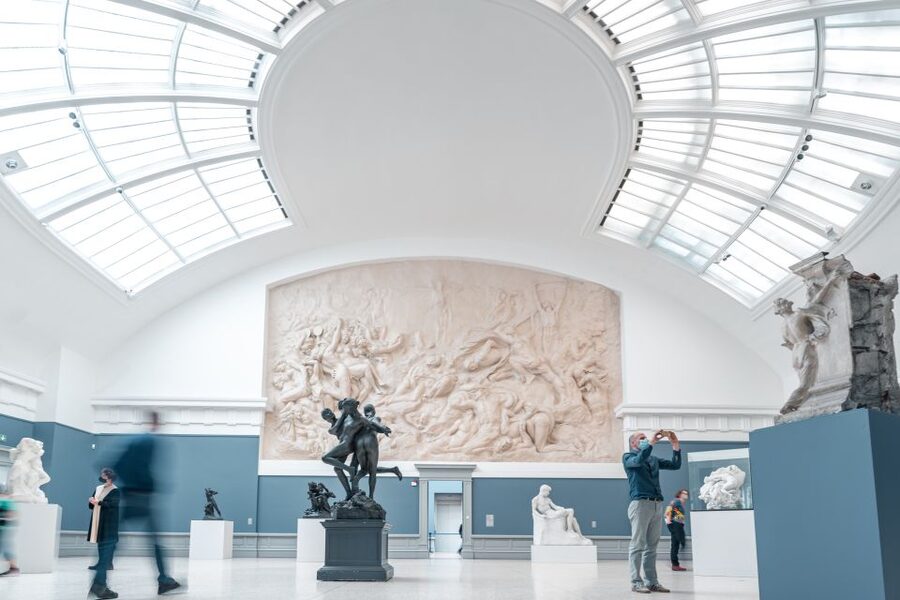
- Thirty galleries follow a chronological route, with thematic and single-artist rooms along the way.
- The Ghent Altarpiece restoration takes place behind glass, letting you watch specialists work on Jan van Eyck’s famous 1432 masterpiece.
- The collection covers both old and modern art, including Bosch, Rubens, Brueghel II, Van Dyck, Ensor, Magritte, and Minne.
- Temporary exhibitions are included, so the $17 ticket can offer more than the permanent collection alone.
- Audio options are unusually broad, with adult and children’s tours, queer perspectives, musical interpretations, and descriptions for visitors with sight loss.
- The first Thursday of each month runs until 22:00, often with a separate evening activities program.
Why this Ghent museum deserves a place in your day
Ghent is famous for medieval streets, canals, and the Ghent Altarpiece in Saint Bavo’s Cathedral. The Museum of Fine Arts gives you another way to understand the city’s artistic importance, with works arranged across centuries rather than limited to one famous object.
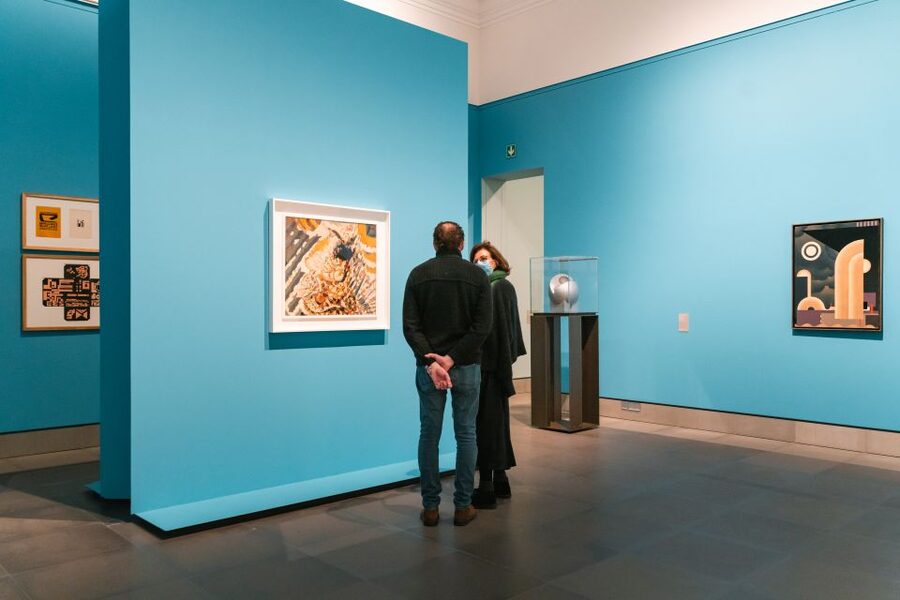
The museum is a good choice when you want more than a quick look at a few celebrated paintings. Its collection connects Belgian art to wider European movements, showing how religious painting, court art, symbolism, expressionism, surrealism, and modernism relate to one another.
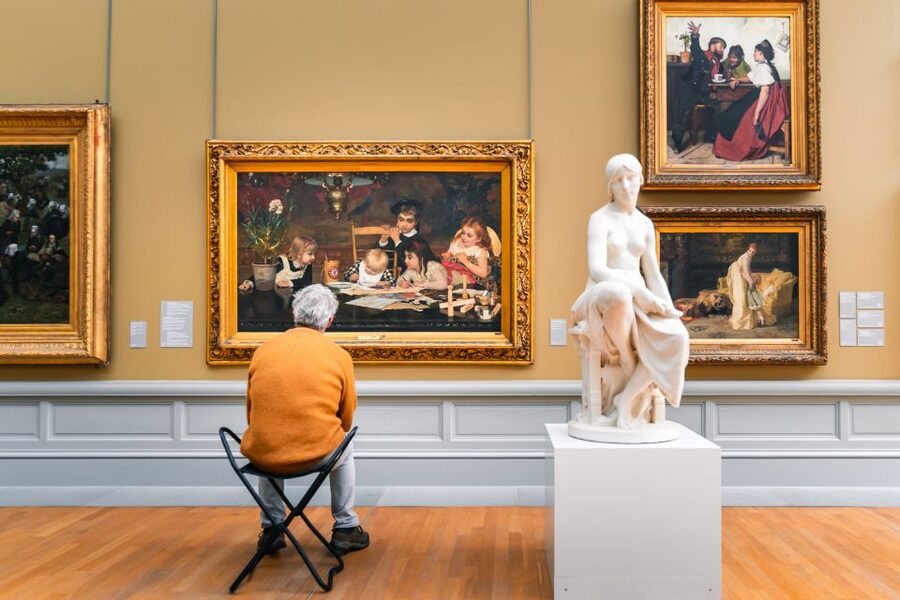
I like that the museum does not force you to choose between old art and new art. About half the galleries focus on work created before 1800, while later rooms introduce you to Belgian artists who helped shape the country’s artistic identity.
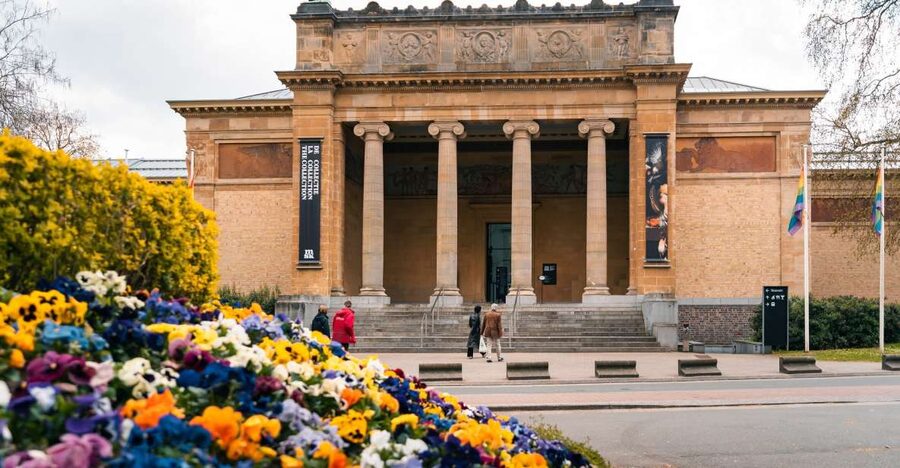
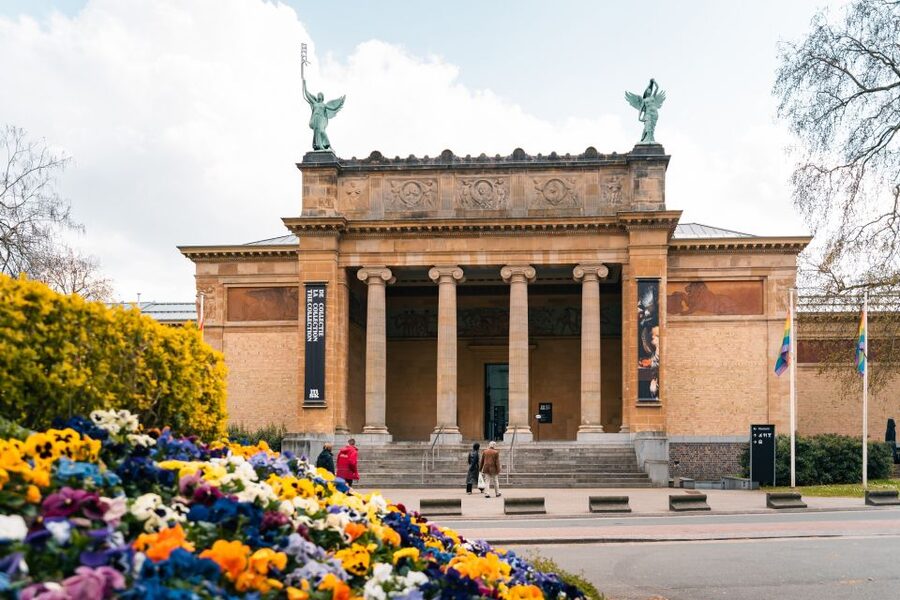
The building itself is monumental, and the green park outside gives you an easy place to pause before or after your visit. You can treat the museum as a serious art stop, or use it as a quieter break from Ghent’s busy historic center.
More Museum Tours in Ghent:
- Brussels: Atomium Entry Ticket with Design Museum Ticket
★ 4.4 · 9,254 reviews - Choco-Story Brussels: Chocolate Museum Entrance with Tasting
★ 4.3 · 4,883 reviews - Bruges: Choco-Story Chocolate Museum Guided Tour w/Tastings
★ 4.2 · 1,379 reviews
Thirty galleries with a clear route
The museum’s chronological route is helpful, especially if you do not already know Belgian art. You move through different periods in an order that lets styles change gradually instead of presenting a jumble of names and dates.
That structure also makes the visit flexible. You can follow the full route and give each period proper attention, or use the audio guide to select the rooms that interest you most.
The galleries include both thematic and monographic displays. A thematic room may place works from different periods into conversation, while a monographic room focuses more closely on one artist or artistic approach. This gives the visit some variety, so you are not simply walking past one painting after another.
I find this kind of arrangement useful for mixed groups. An experienced art lover can spend time with technique and context, while someone less familiar with museums can follow the basic story of European and Belgian art without feeling lost.
Still, do not expect every room to be equally exciting for you. Art museums ask you to move at their pace, and a chronological collection naturally includes quieter sections. The audio guide helps when a period or artist does not immediately catch your attention.
The old masters before 1800
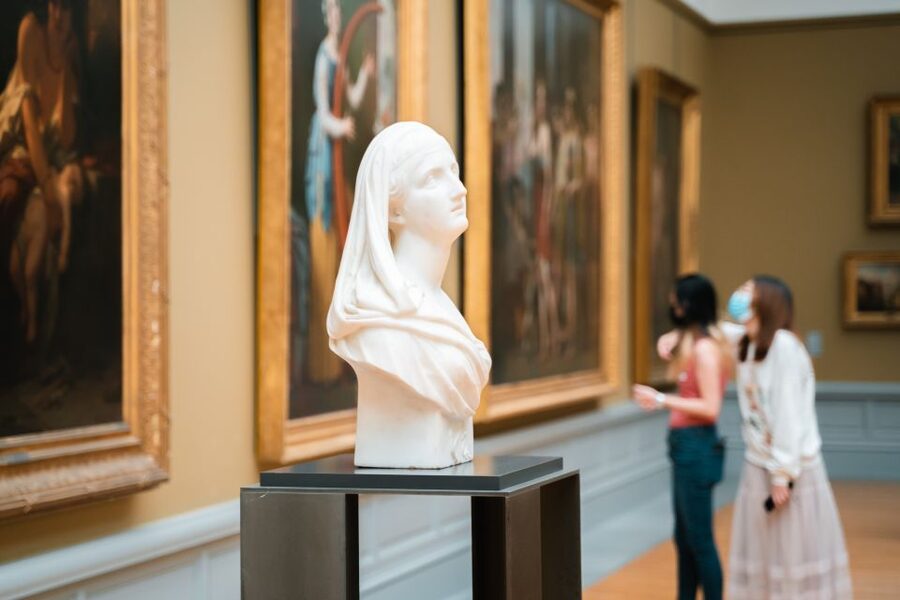
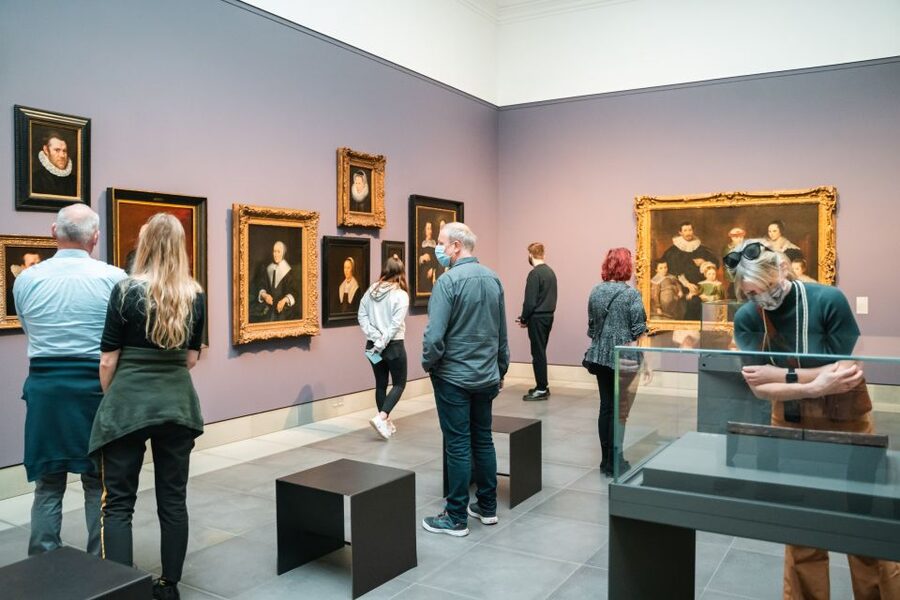
Half of the galleries cover art from before 1800, making this more than a modern Belgian art museum. You will encounter major figures such as Hieronymus Bosch, Pieter Paul Rubens, Brueghel II, and Anthony van Dyck.
These names matter because they show Ghent and Belgium within a broader European artistic world. Bosch brings strange, imaginative religious scenes. Rubens represents grand, energetic Baroque painting. Brueghel II continues the tradition of detailed scenes filled with people and activity, while Van Dyck is associated with refined portraiture.
I recommend slowing down in these rooms instead of trying to recognize every famous name. Look at how artists handle faces, clothing, movement, and religious subjects. You will get more from the museum if you compare works across rooms rather than treating each painting as a separate prize.
The collection also gives you a chance to see how European art changed before modernism arrived. Religious subjects remain important, but the treatment of the human figure, private life, status, and emotion shifts over time.
For many people, these early galleries will be the artistic core of the visit. For others, the later Belgian rooms will be more memorable. The useful point is that you get both without paying for a separate old masters collection.
Watching the Ghent Altarpiece restoration
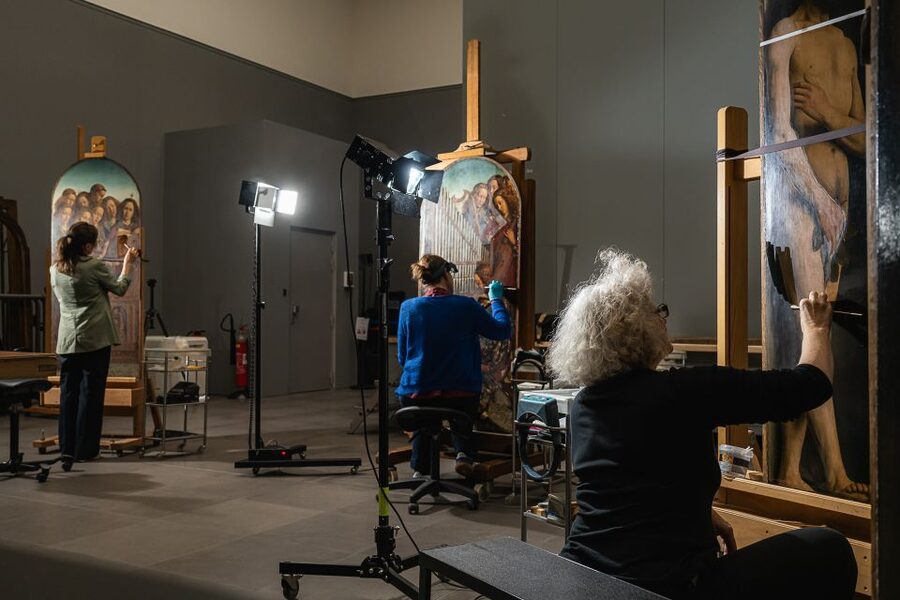
The most unusual feature is the restoration workshop for the Ghent Altarpiece by Jan van Eyck, dated 1432. It is positioned behind glass inside the museum, so you can watch the final restoration phase rather than seeing only a finished object in a distant gallery.
This changes your idea of what a museum visit can be. You are not simply looking at a completed masterpiece. You can see the careful work needed to preserve a major painting, including the fact that old works may have layers, repairs, and surface changes that require close study.
The restoration also gives context to the version of the Ghent Altarpiece you may see elsewhere in the city. Saint Bavo’s Cathedral is closely associated with the work, but this museum visit lets you focus on conservation and the practical care of historic art.
The workshop is behind glass, so your view depends on the stage of work and what is visible at that moment. It is not the same as a guided meeting with restorers, and you should not assume every technical detail will be explained in person. The audio guide can add useful context.
For me, this is the strongest reason to choose this museum over a standard art collection. Seeing restoration happen makes the past feel physical and ongoing, not safely sealed away.
More things to do in Ghent:
- Ghent: 50-Minute Medieval Center Guided Boat Trip
★ 4.5 · 5,637 reviews - Historical Walking Tour: Legends of Gent
★ 5.0 · 1,761 reviews - Ghent: 40 Minute Medieval Center Guided Boat Tour
★ 4.4 · 884 reviews - Evening Tour of the Dark Side of Gent
★ 5.0 · 646 reviews
Belgian art from Ensor to Magritte
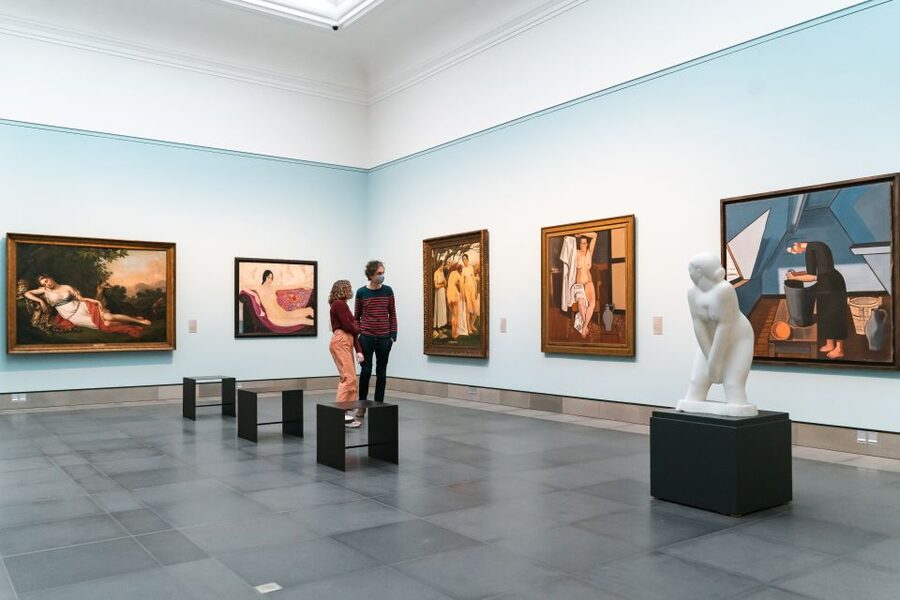
The 19th and 20th century galleries shift the focus toward Belgian artists, including James Ensor, Emile Claus, and Georges Minne. These rooms help you see that Belgian art is not only medieval altarpieces and Flemish painting.
James Ensor is especially important for understanding Belgium’s move toward modern art. His work can feel strange, theatrical, and sharp-edged, with masks and altered faces that challenge the calm order of earlier painting.
Emile Claus brings a different direction, while Georges Minne gives you a chance to consider Belgian sculpture alongside painting. The collection shows how artists responded to changing ideas about light, identity, the body, and everyday life.
The modernist section includes Gustave Van de Woestyne, René Magritte, and Frits Van den Berghe. Magritte will be the best-known name for many visitors, but the value of the room is seeing him as part of a larger Belgian modernist story.
I like this part of the museum because it prevents the visit from becoming a parade of old masters. You see Belgium’s artistic voice developing through symbolism, modernism, and surrealism.
The balance is not perfect for every taste. One person may spend hours with the modern collection, while another may prefer the earlier religious and Baroque works. The good news is that the chronological layout lets you reach both sections without guessing where they are.
Temporary exhibitions add real value
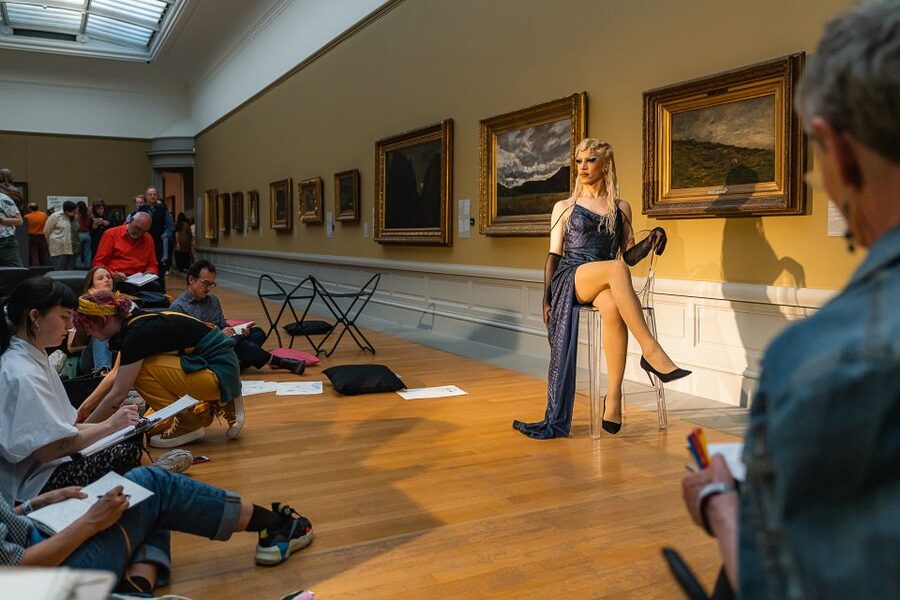
Your ticket includes temporary exhibitions, which makes the $17 admission more attractive. A special exhibition can change the character of the visit, so check what is showing on your date before you go.
One recent exhibition, Transcripts of a Sea, was described as captivating and had explanations in Flemish, French, and English. That detail matters if you want more than labels in one local language.
Temporary displays also give returning visitors a reason to come back. The permanent collection may take two hours for a focused visit, but a temporary show can extend your stay or give you a completely different subject to explore.
Do not assume the special exhibition will match your taste. Temporary art can be more experimental or thematic than the permanent rooms. I suggest checking the current title and subject before booking if the exhibition is a major reason for your visit.
Still, included access means you do not have to make a second admission decision at the door. You can look around, decide how much time to give the exhibition, and move on if it is not for you.
Audio guides that suit different kinds of visitors
The free audio guide is available in Dutch, English, and French. That makes the visit easier for international visitors and for anyone who wants more explanation than the wall labels provide.
The adult guide includes standard art history, but it also offers modern perspectives, queer interpretations, and musical readings. Those options are valuable because they let you choose how you want to approach the collection rather than accepting one official voice.
There are descriptions for visitors with sight loss, plus a separate children’s tour. Families also get children’s labels and small activities along a dedicated family route.
I would use the guide selectively. Listening to every stop can turn a two-hour visit into a much longer one, and you may end up concentrating on your device instead of the works. Choose a few artists or rooms, then look freely between audio stops.
The children’s route is a real advantage for families. A large fine arts museum can lose younger attention quickly, but labels and simple activities give children something concrete to do. The family materials do not guarantee a perfect visit, of course, but they make the museum easier to share.
Contemporary installations are also part of the collection. These can help younger visitors connect with the museum, though they may surprise anyone expecting only historic paintings and sculpture.
How long to allow, and when to visit
The ticket is valid for one day, so you have room to plan without rushing from room to room. A focused visit can take about two hours, while a careful look at the permanent collection and temporary exhibition may require much longer.
I would allow at least two hours if you want to appreciate the main collection. Add time for the restoration workshop, the audio guide, and any special exhibition.
The museum stays open until 22:00 on the first Thursday of each month. An evening visit can be useful if your daytime schedule is full, and there is often a separate activities program on those nights.
Late opening also changes the mood of the visit. You can spend the afternoon elsewhere in Ghent, come to the museum after dinner, or use the extra hours to break the collection into a less tiring session.
Check availability for the actual starting times when you book. The activity is described as valid for one day, but the available entry times can vary.
Price, facilities, and small practical rules
At $17 per person, the ticket offers fair value if you plan to use the included temporary exhibition and audio guide. It is less compelling if you only want to see one famous artist and leave quickly, though the restoration workshop adds something unusual even on a short visit.
A student price of €4.80 was available at one point, which is an excellent deal for eligible young visitors. Bring your passport or ID card, since identification may be required.
There is a free cloakroom for large items and coats. Food and drinks are not permitted inside, and you cannot bring large bags or luggage into the galleries. Umbrellas must also stay out of the exhibition areas, and flash photography is not allowed.
These rules are easy to manage, but they matter if you are visiting with luggage or carrying a large day pack. Store what you need before entering so you are not delayed at the doorway.
The museum is fully wheelchair accessible through the side entrance. It also has gender-inclusive restrooms and a room for breastfeeding and diaper changing. These are practical features that make a long museum visit easier for families and visitors with different mobility needs.
Who will enjoy this museum most?
I would recommend this ticket to you if you like art but do not want to choose between medieval painting, Flemish masters, Belgian modernism, and contemporary work. It also suits anyone interested in how museums preserve art, since the Ghent Altarpiece restoration is more than a standard display.
Families have good support through the children’s audio guide, labels, and activities. Students may find the discounted price especially attractive, if eligible.
You may want to shorten the visit if your main interest is architecture, canals, or medieval Ghent. The museum is not a quick checklist attraction, and its strongest sections reward patience.
It is also a sensible rainy-day plan. You get indoor galleries, a serious collection, and a park outside for a short break when the weather improves.
Should you book the Ghent Museum of Fine Arts?
Book it if you want a substantial art visit with plenty of choice. The combination of 30 galleries, included temporary exhibitions, broad audio options, and the visible Ghent Altarpiece restoration gives the $17 ticket solid value.
I would be more cautious if you have only a short time in Ghent or dislike museums arranged by period. In that case, focus on the restoration workshop and the Belgian modernists, then leave with your day intact.
For most art lovers, families, and visitors looking for a quieter cultural stop beyond the city’s medieval center, this is a worthwhile choice. Plan around two hours, bring identification, leave large bags at the cloakroom, and use the audio guide only where it helps you look more closely.
FAQ
How much does the Museum of Fine Arts Ghent ticket cost?
The listed price is $17 per person. A student price of €4.80 was also available at one point, so eligible students should check the current rate before booking.
What does the ticket include?
It includes entry to the permanent collection, temporary exhibitions, the adult audio guide, the children’s audio guide, and the family route with children’s labels and small activities.
How long is the ticket valid?
The ticket is valid for one day. Available starting times should be checked when you reserve.
Which languages are available for the audio guide?
The audio guide is available in Dutch, English, and French.
Is the museum wheelchair accessible?
Yes. The museum is fully wheelchair accessible through the side entrance.
Can I bring food, drinks, luggage, or an umbrella?
Food and drinks are not allowed inside. Large bags, luggage, and umbrellas are also not permitted in the galleries. A free cloakroom is available for large items and coats.
Just added in Ghent
- Historic Highlights, by a local guide★ 5.0 · 9 reviews
- Discover Ghent while playing! Escape game – The alchemist★ 4.0 · 4 reviews
- Walking Food Tour in Ghent★ 5.0 · 13 reviews
- Discover Ghent while playing! Escape game – The Walter case★ 4.5 · 4 reviews
- e-Scavenger hunt Ostend: Explore the city at your own pace★ 4.5 · 10 reviews
- Discover Mons while playing! Escape game – The alchemist★ 4.0 · 5 reviews
- Kortrijk Self-Guided Sherlock Holmes Murder Mystery Game★ 5.0 · 2 reviews
- Taste of Ghent: Private Chocolate Walking Tour★ 5.0 · 1 review
Museums, compared.

Atomium Entry Ticket with Design Museum Ticket
Read our review →
Choco-Story Brussels: Chocolate Museum Entrance with Tasting
Read our review →
Choco-Story Chocolate Museum Guided Tour w/Tastings
Read our review →
2.5-Hour Chocolate Museum Visit with Workshop
Read our review →
The World of Banksy Museum Permanent Exhibition
Read our review →


Chocolate Making Workshop and Chocolate Museum Entry
Read our review →Browse the lists this tour appears in