
Reviewed · MUSEUMS
Bruges: Ticket Museum Sint-Janshospitaal
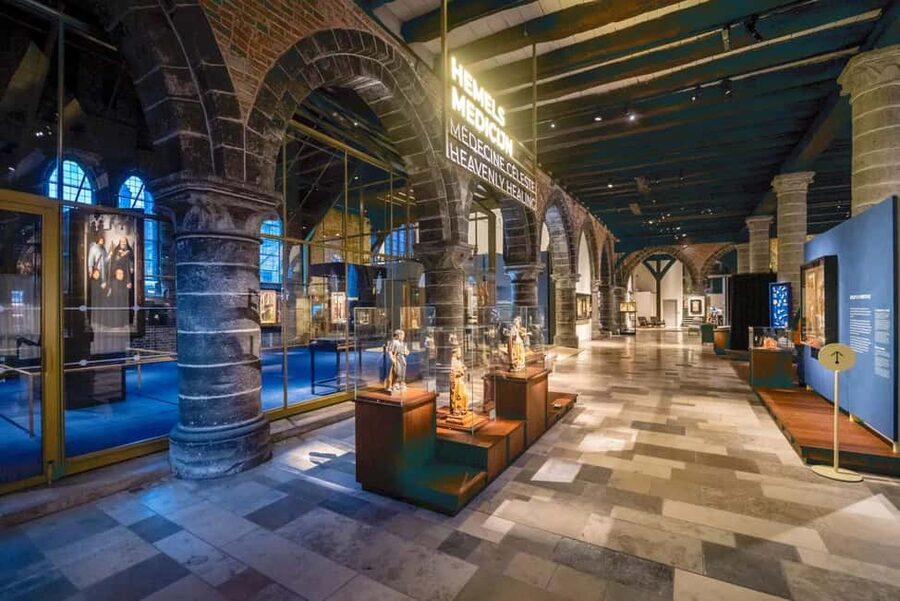
A medieval hospital still cares for art. Bruges’ St John’s Hospital Museum brings together a 12th-century care center, Hans Memling’s celebrated paintings, contemporary works, and a remarkably preserved apothecary. I like the close look at Memling’s masterpieces and the chance to step into an authentic 17th-century pharmacy. I also like the hands-on creative element, where you can make your own artworks.
The main caution is the modern art. Some pieces are moving and thought-provoking, while one human-animal figure has been described as unpleasant or even repulsive. If you prefer only old masters, parts of this museum may feel uncomfortable. The good news is that the medieval building and Memling collection give the visit a strong anchor.
In This Review
- Key points to know before entering
- Entering Bruges’ 12th-century hospital
- Hans Memling’s masterpieces in their original home
- Contemporary art asks harder questions about care
- The old pharmacy and its 17th-century details
- How long the one-day ticket really helps
- Is $17 a fair price?
- Who will enjoy St John’s Hospital most?
- Practical tips for a smoother visit
- Should you book the St John’s Hospital Museum?
- FAQ
- Where is St John’s Hospital Museum?
- How much does admission cost?
- How long is the ticket valid?
- Are children under 13 admitted free?
- Is the museum wheelchair accessible?
- Can I bring luggage or take flash photographs?
Key points to know before entering
- Memling’s works were made for this hospital: Several major paintings by Hans Memling have remained connected to St John’s since the 15th century.
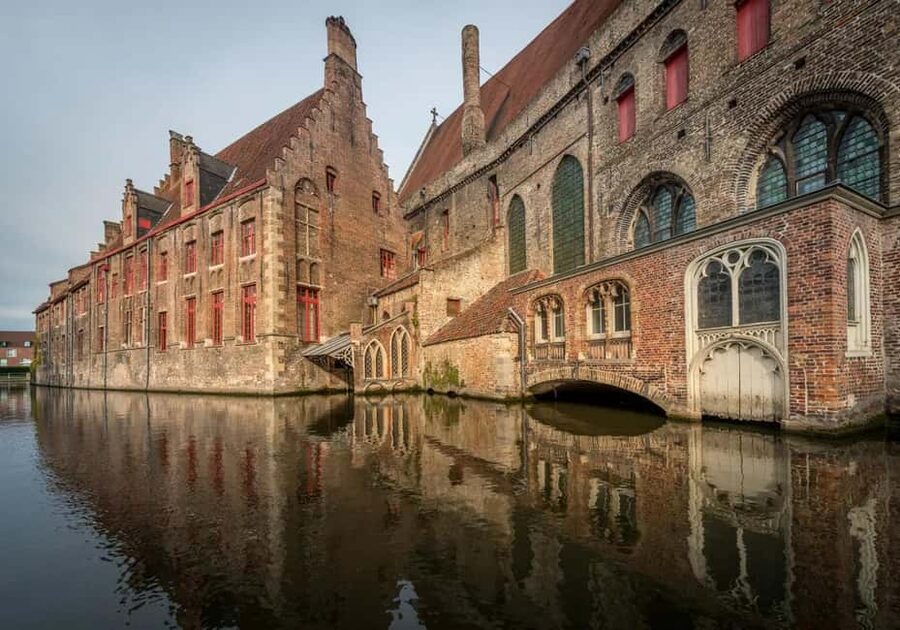
- The building is part of the collection: You are walking through a real 12th-century hospital, not a modern gallery dressed up to look old.
- The pharmacy has a 17th-century interior: An old apothecary and herb garden show how medicine once worked.
- Modern art shares the rooms with medieval art: Works by Berlinde De Bruyckere and Patricia Piccinini add a sharper, more personal look at care and the human body.
- The ticket is valid for one day: You can take your time instead of rushing through the collection.
- Children under 13 enter free at the box office: Bring a passport or ID card for children if needed.
Entering Bruges’ 12th-century hospital
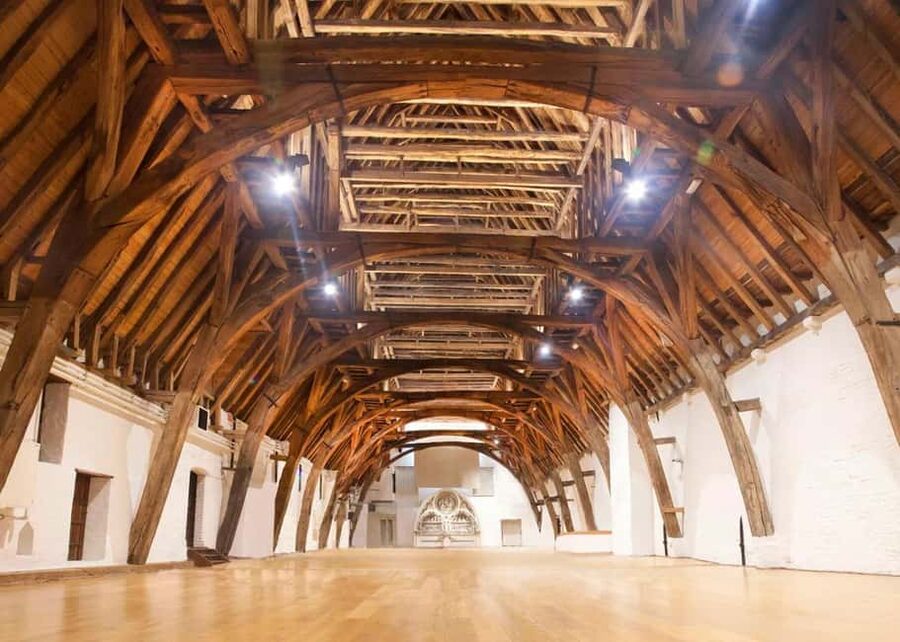
St John’s Hospital is not simply a museum housed in an old building. The hospital itself is the first exhibit. Its walls served people who needed medical attention, shelter, or a place to sleep, and that purpose shaped the building for centuries.
The museum presents this past through the idea of care. That theme gives the visit more weight than a standard art stop. You are not just looking at religious paintings. You are seeing works that were made for a place where sickness, charity, fear, and hope were part of everyday life.
The old structure also changes the pace of your visit. Thick medieval walls, historic rooms, and the sense of a working institution make the galleries feel more personal than a large purpose-built museum. You should allow time to look at the rooms themselves, not only the objects mounted inside them.
The building is wheelchair accessible, which is useful in a historic site where access can otherwise be difficult. Large bags and luggage are not allowed, and flash photography is prohibited. Assistance dogs are allowed, but other pets are not.
More Museum Tours in Bruges
- Bruges: Choco-Story Chocolate Museum Guided Tour w/Tastings
★ 4.2 · 1,379 reviews - Choco-Story: The Chocolate Museum in Bruges
★ 4.0 · 544 reviews - Bruges: Chocolate Making Workshop and Chocolate Museum Entry
★ 4.6 · 395 reviews
Hans Memling’s masterpieces in their original home
The strongest reason to visit is Hans Memling. He was one of the leading Flemish painters of the 15th century, and St John’s Hospital has been home to several of his important works since that period.
Memling’s paintings were created for this setting, which matters. They were not selected centuries later simply because they fit a museum display. Their original connection to the hospital gives them a direct link to the people who came here for care and to the religious practices that shaped the institution.
You can expect finely worked details, controlled expressions, and the careful surfaces associated with Flemish painting. Take your time with faces, fabrics, and small background details. Memling rewards close looking, especially if you resist the urge to treat the collection as a quick stop between Bruges’ canals and main square.
The collection also helps explain why medieval art belonged in a hospital. These works could offer comfort, reinforce faith, and provide a sense of order during illness. Even if religious art is not your usual interest, the setting makes the paintings easier to understand.
I would make Memling the center of your visit. The contemporary displays add another layer, but these 15th-century works are the museum’s heart.
Contemporary art asks harder questions about care
The museum does not freeze St John’s Hospital in the Middle Ages. Modern artists, including Berlinde De Bruyckere and Patricia Piccinini, are presented alongside the older collection.
This contrast can be striking. Memling often offers a composed, symbolic vision of care. Contemporary art may show bodies, vulnerability, pain, or emotional strain in a more direct way. The two approaches can sharpen your understanding of the hospital’s central theme.
You may also find participatory elements that let you create your own artworks. This is a welcome change of pace after studying formal paintings and historic rooms. It can work especially well for families, children, or anyone who prefers making something to simply reading labels.
Still, the modern material will not suit every taste. Some pieces are designed to unsettle you. A human-animal representation has caused a particularly strong negative reaction, so you should expect that the contemporary section may include imagery you find strange, disturbing, or unattractive.
That is not necessarily a flaw. It is part of the museum’s attempt to ask what empathy looks like now. But if you are bringing young children, or if you want a calm old-master collection only, keep this contrast in mind.
The old pharmacy and its 17th-century details
The visit finishes with one of the most appealing spaces: the old hospital pharmacy. It has an authentic 17th-century interior and a herb garden, giving you a clear picture of past medicinal practice.
The pharmacy is valuable because it makes medical history tangible. Instead of hearing only general facts about old remedies, you can look at the actual environment in which medicines were prepared and stored. The herb garden adds another practical link, showing how plants formed part of earlier treatment.
This stop also brings the hospital’s story back to everyday work. Memling’s paintings speak to spiritual care and artistic patronage. The pharmacy points to the physical side of care, with remedies, ingredients, and routines.
Plan to pause here rather than treating it as a final room to pass through. The old pharmacy is one of the easiest parts of the museum to appreciate without needing much background in art or medicine.
A completely different kind of day:
- Bruges: Small Group Boat Cruise and Guided Walking Tour
★ 4.8 · 4,102 reviews - Bruges: Walking Tour, Canal Boat Trip w/Beer Tasting Option
★ 4.4 · 2,759 reviews - Historical Walking Tour: Legends of Bruges
★ 5.0 · 2,541 reviews - From Bruges: Great War Flanders Fields Minibus Tour w/ Lunch
★ 4.9 · 1,257 reviews
How long the one-day ticket really helps
The ticket is valid for one day, and that is a useful arrangement for a museum with several different moods. You can visit at a comfortable pace instead of racing through the paintings, hospital rooms, and pharmacy in one short window.
The available information does not give a fixed visit length or a detailed timed schedule. I would therefore avoid planning the museum around a very tight connection. Give yourself enough room for the architecture, the Memling collection, the modern art, and the pharmacy.
Because the ticket is valid for the day, you also have flexibility if the museum forms part of a larger Bruges sightseeing plan. Check the current availability and starting times before booking, since the ticket information indicates that entry times can vary.
The skip-the-ticket-line feature may save time, especially during a busy day in Bruges. It does not turn the museum into a guided tour. You are buying admission, so plan to explore independently.
Is $17 a fair price?
At about $17 per person, the museum is not the cheapest quick stop in Bruges. The value depends on how much you enjoy the combination of art, architecture, and social history.
For that price, you are getting access to a rare mix: a medieval hospital building, a major Memling collection, modern artists, an old pharmacy, and a herb garden. If you care about Flemish art, the price is easier to justify because Memling alone gives the visit real importance.
The value is also good for visitors who dislike one-note museums. St John’s offers several entry points. You can focus on the paintings, the building, the history of medical care, or the modern questions about empathy.
I would be less enthusiastic about the price if you only want a short look at medieval architecture. In that case, the contemporary art and hospital collection may not hold your attention long enough. The museum works best when you are prepared to spend time with more than one part of it.
The free admission for children under 13 at the box office improves the value for families. Bring a passport or ID card for children, as identification is specifically required in the practical information.
Who will enjoy St John’s Hospital most?
I would recommend this museum to several kinds of visitors:
- Art lovers: Memling’s works are the main reason to come.
- History-minded visitors: The hospital building and pharmacy connect art to real care practices.
- Families with creative children: The chance to make artworks adds activity beyond looking at paintings.
- Architecture fans: The medieval structure is not a background detail. It shapes the whole visit.
- Visitors interested in medical history: The apothecary and herb garden offer a direct look at older remedies.
- People who enjoy modern art with a serious theme: The contemporary pieces explore vulnerability and empathy.
I would be more cautious if you want only cheerful, traditional art. The modern section can be emotionally or visually uncomfortable, and the human-animal work may not appeal to you.
Practical tips for a smoother visit
Book ahead if skipping the ticket line matters to you, but remember that the ticket is an admission pass rather than a guided experience. Check availability for the date and starting time that suit your day.
Travel light. Luggage and large bags are not permitted, so do not arrive with a suitcase or a bulky day pack. Flash photography is also forbidden, which helps protect the art and keeps the rooms calmer.
Keep your camera ready without using flash, and take time to look at the hospital interiors. The building is easy to underestimate if you focus only on famous paintings.
If you are visiting with children, explain that the museum includes both old art and contemporary works. The creative activity may be a highlight, while some modern pieces may need a little context. Children under 13 can receive a free ticket at the box office.
The ticket includes free cancellation up to 24 hours before the visit and allows you to reserve now and pay later. That flexibility is useful if your Bruges plans are still changing.
Should you book the St John’s Hospital Museum?
Yes, if you want more than a standard old-master gallery. The museum brings together Memling, medieval architecture, medical history, and modern art in a setting where the theme of care feels genuine rather than added for display.
I would book it especially if Flemish painting is high on your list, or if you appreciate historic buildings that still show their original purpose. The pharmacy is a strong final stop, and the creative activity gives families something hands-on.
Think twice if you dislike unsettling contemporary art or want a fast, simple museum visit. The modern works can be divisive, and the museum deserves more than a hurried glance.
For most art and history fans spending a day in Bruges, $17 is a sensible price for this unusual combination. Go for Memling, stay for the hospital, and leave time for the pharmacy.
FAQ
Where is St John’s Hospital Museum?
It is located in Bruges, in Flanders, Belgium.
How much does admission cost?
The listed price is $17 per person.
How long is the ticket valid?
The ticket is valid for one day.
Are children under 13 admitted free?
Yes. Children under 13 can obtain a free ticket at the box office.
Is the museum wheelchair accessible?
Yes, the museum is wheelchair accessible.
Can I bring luggage or take flash photographs?
Large bags and luggage are not allowed. Flash photography is also prohibited. Assistance dogs are allowed, but other pets are not.
Just added in Bruges
- Unknown Bruges: A Self-Guided Audio Tour to the Heart of the Medieval Metropole★ 5.0 · 1 review
- Tour of Historical Bruges knowing The Jerusalem Chapel★ 5.0 · 2 reviews
- Ticket Expo Body Worlds in Bruges, Belgium★ 4.5 · 11 reviews
- 2-Hour Private Walking Tour of Bruges★ 5.0 · 13 reviews
- 6 Hour Bruges Shore Excursion from Zeebrugge Cruise Port★ 4.5 · 23 reviews
- The Waffles ‘n Coffee Breakfast in Bruges Centre★ 4.5 · 9 reviews
- Explore the Instaworthy Spots of Bruges with a Local★ 5.0 · 3 reviews
- Surprise Walk of Bruges with a Local★ 5.0 · 1 review
Museums, compared.

Atomium Entry Ticket with Design Museum Ticket
Read our review →
Choco-Story Brussels: Chocolate Museum Entrance with Tasting
Read our review →
Choco-Story Chocolate Museum Guided Tour w/Tastings
Read our review →
2.5-Hour Chocolate Museum Visit with Workshop
Read our review →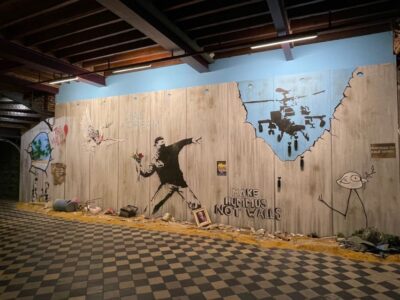
The World of Banksy Museum Permanent Exhibition
Read our review →

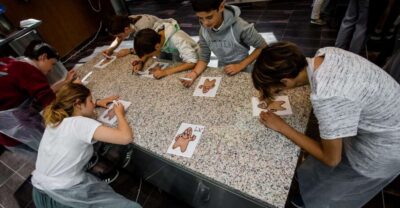
Chocolate Making Workshop and Chocolate Museum Entry
Read our review →Browse the lists this tour appears in