
Reviewed · WWI BATTLEFIELD TOURS
Flanders World War I Battlefields Private Tour from Brussels
The quietest places often speak loudest. This full-day Flanders battlefield tour gives you a serious look at the First World War, from the Brooding Soldier at Saint Julien to the graves at Tyne Cot and the memorials of Ypres. I like the private transport from Brussels, which saves you a long day of driving, and I like the mix of museums, cemeteries, bunkers, and open battlefield sites. The main drawback is the price: at $889.89 per person, it is a costly day out, especially if your group is small.
You should allow eight to ten hours, with much of the day spent moving between sites. Guides Henry and Marikea have both been praised for clear, thoughtful explanations, while driver Adel earned special credit for being flexible with a changed drop-off request. Bring patience, good walking shoes, and a willingness to let the subject matter set a quiet tone.
In This Review
- Key points to know before you book
- Why this Flanders tour is worth considering
- Saint Julien: the Brooding Soldier sets the tone
- Poelkapelle and the Ypres Salient
- In Flanders Fields Museum: the tour’s essential indoor stop
- Essex Farm Cemetery and the story behind In Flanders Fields
- Hill 60 brings the fighting underground
- Tyne Cot Cemetery: scale and silence
- Ypres gives you a needed pause
- Menin Gate and the Last Post ceremony
- Guides, vehicle, and the cost of a private day
- Who should book this experience?
- FAQ
- How long does the Flanders World War I Battlefields Private Tour last?
- Is hotel pickup and drop-off in Brussels included?
- Is the In Flanders Fields Museum admission included?
- Is lunch included?
- Is this a private tour?
- Can I cancel for a full refund?
Key points to know before you book
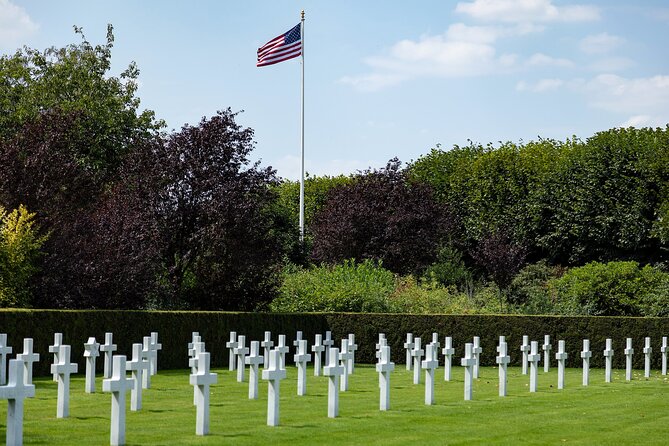
- Saint Julien and Polygon Wood open the day with powerful Commonwealth memorials, including the Canadian Brooding Soldier and the Australian memorial.
- Ypres gives the tour its historic center, with museum time, lunch on your own, and the Menin Gate Memorial.
- Hill 60 adds a rare underground dimension, with craters and ground shaped by mining and heavy fighting.
- The In Flanders Fields Museum is included, making the price easier to justify for anyone serious about the subject.
- Private transportation keeps the day simple, but the high cost makes this best for small groups sharing the experience.
- The Last Post ceremony is a major closing moment, so confirm the timing and exact program with your guide before departure.
Why this Flanders tour is worth considering
Flanders is not a place where the First World War feels safely tucked away in a textbook. Cemeteries sit beside roads. Memorials appear in villages. The names of the dead are part of the region’s public life. A guided day from Brussels helps you connect those scattered places instead of trying to link them by train, taxi, and rental car.
I especially like the range of stops. You are not simply driven from one large cemetery to another. You see a memorial, a museum, a wartime dressing station, a battlefield hill, a cemetery, and the medieval town of Ypres. Each stop gives you a different way to understand the conflict.
The private format also matters. Only your group participates, so you can ask questions and spend more time at a place that catches your attention. The vehicle is air-conditioned, has WiFi, and includes bottled water. Pickup and drop-off from a Brussels hotel are included, which removes some of the day’s usual friction.
Still, this is an expensive experience. At $889.89 per person, value depends heavily on your group size and interest in military history. A history enthusiast who wants a guide and door-to-door transport may find the cost reasonable. Someone who only wants to see Ypres and a cemetery or two may find it hard to defend.
More battlefield tours:
- Flanders Fields Remembrance Tour from Brussels
★ 4.5 · 334 reviews - Remembrance Tour: The Battle of the Bulge in the Ardennes
★ 5.0 · 51 reviews - From Brussels: The Battle of the Bulge Remembrance Tour
★ 4.8 · 37 reviews
Saint Julien: the Brooding Soldier sets the tone
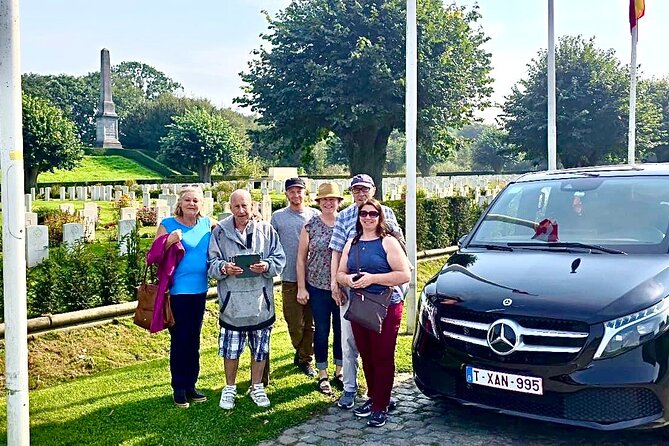
The Saint Julien Memorial is one of the most affecting early stops. It honors Canadian soldiers and is often called the Brooding Soldier because of the figure’s solemn, reflective pose. You have about 40 minutes here, enough to hear the background, view the monument, and take in the surrounding setting without rushing.
The power of this stop comes from its restraint. There is no need for a long museum visit to understand that this is a place of loss. A good guide can explain the Canadian role and connect the memorial to the wider Ypres Salient without turning the visit into a list of dates.
You also visit Polygon Wood and the 5th Australian Division Memorial. These stops give the morning a Commonwealth focus and show how many nations were drawn into the fighting around Ypres.
Because the time is limited, listen closely while your guide explains the sites. You may not have a long period to wander. This is one reason a private group helps: if you need a few extra minutes for photographs or questions, you can ask without holding up a large coach party.
Poelkapelle and the Ypres Salient
The route continues through the Ypres Salient, the area around Ypres where some of the war’s largest and hardest battles took place. At Poelkapelle, the Tank Memorial recalls the armored vehicles used in the fighting and the brutal conditions in which early tanks operated.
The drive between Brussels and Flanders is part of the experience, not just dead time. You see the Belgian countryside from an air-conditioned vehicle while your guide provides context. Since the route covers several widely separated sites, private transport is much more practical than trying to assemble the same day using public transit.
Expect about an hour at this part of the tour. The countryside can look calm now, which makes the contrast with the wartime story sharper. You are moving through ordinary roads and fields that once formed the setting for shelling, trench warfare, and repeated offensives.
One practical point deserves attention: the supplied description gives a broad outline for this stop, but not every detail of the battlefield visit. Ask your guide at the start of the day how long the driving legs will be and which parts involve walking. That will help you pace yourself for Hill 60 and the cemeteries later.
In Flanders Fields Museum: the tour’s essential indoor stop
The In Flanders Fields Museum in Ypres is included in the price, and it is one of the strongest reasons to choose this tour rather than simply hiring a driver. You have about an hour inside, which gives you time to absorb the museum’s presentation of the war and its effect on Flanders.
The museum helps put faces, places, and numbers together. More than 600,000 people died in Belgium during the conflict, while hundreds of thousands of graves and names remain connected to the region’s memorials. Those figures can feel remote until the museum gives them human scale.
An hour is useful, but it is not enough for a slow reading of every display. If museums are your main interest, you may wish for longer here. On a packed day with several outdoor stops, however, the limited visit keeps the schedule moving.
One weakness is worth guarding against. A past guest found that the museum visit was skipped, even though entry was included. I would confirm with the guide early in the morning that the museum is part of your plan. If the subject matters to you, do not wait until the end of the day to ask.
More things to do in Brussels:
- Brussels: Atomium Entry Ticket with Design Museum Ticket
★ 4.4 · 9,254 reviews - From Brussels: Guided Day Trip to Bruges and Ghent
★ 4.6 · 8,353 reviews - From Brussels: Bruges & Ghent Day Tour – 2 Fairytale Cities
★ 4.7 · 8,242 reviews - Choco-Story Brussels: Chocolate Museum Entrance with Tasting
★ 4.3 · 4,883 reviews
Essex Farm Cemetery and the story behind In Flanders Fields
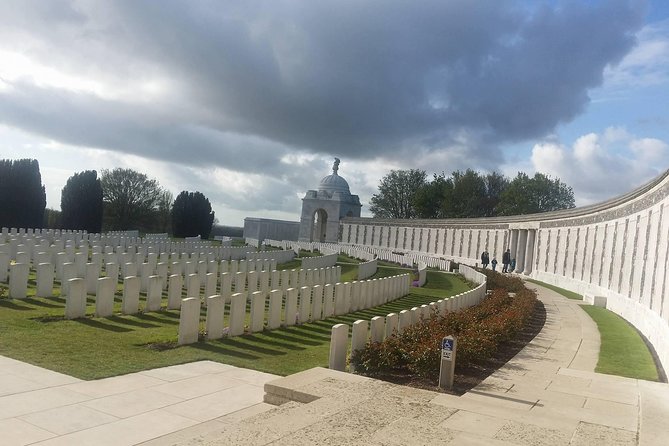
Essex Farm Cemetery is a smaller, more personal stop. The area served as a dressing station during the war and is linked with John McCrae, the Canadian soldier associated with the poem In Flanders Fields. You have around 30 minutes to see the cemetery and bunkers.
The stop works well because it connects a physical place with a familiar piece of wartime writing. The bunkers also help you picture the medical work carried out close to the front. This is not just a field of headstones. It is a place tied to treatment, death, memory, and the language people used to make sense of the war.
Half an hour goes quickly. I would focus on the guide’s explanation first, then use any remaining time to walk quietly through the cemetery. This is not a stop where you need to take many photographs. The setting rewards attention more than speed.
Hill 60 brings the fighting underground
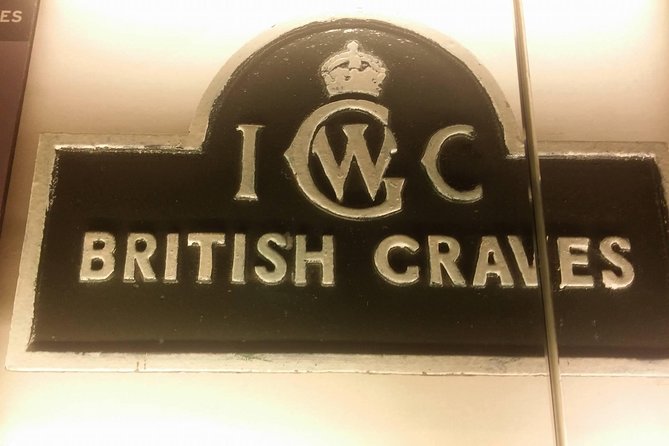
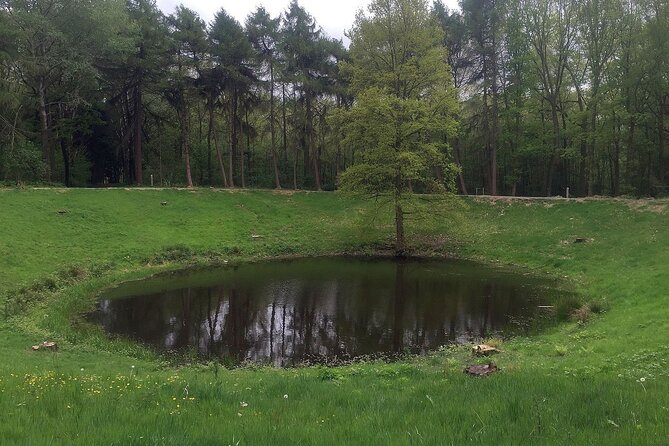
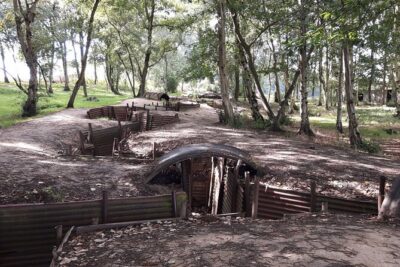
Hill 60 gives the tour a different kind of battlefield experience. This raised ground saw intense fighting, including underground warfare and mining. You spend roughly 30 minutes walking up to the site and seeing the craters and damaged ground.
Unlike a conventional memorial, Hill 60 asks you to read the earth itself. The uneven surface and remnants of wartime activity show how the ground was altered by explosives and combat. Your guide’s explanation is especially useful here because the significance is not always obvious at first glance.
The walking is limited but real. Wear sturdy shoes and avoid treating this as a polished park visit. The surface may require care, and the stop comes after several hours of travel and sightseeing.
A past account praised Marikea for combining the modern museum at Ypres with a rustic museum near Hill 62 and a walk through the craters at Hill 60. Those extra details are not guaranteed in every departure, so ask what your day includes. The core value of Hill 60 is the chance to see a battlefield shaped by underground fighting, rather than only viewing names on stone.
Tyne Cot Cemetery: scale and silence
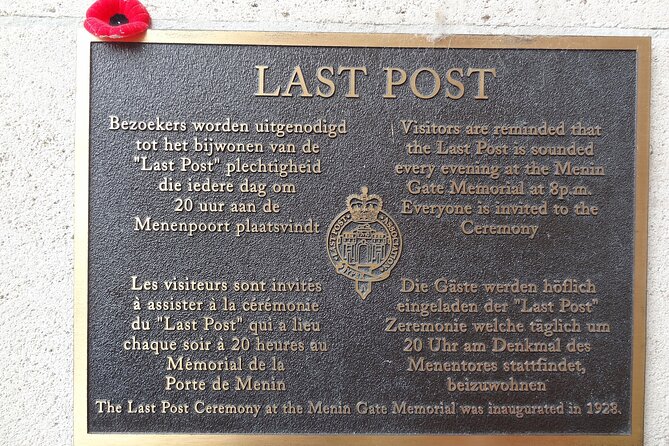
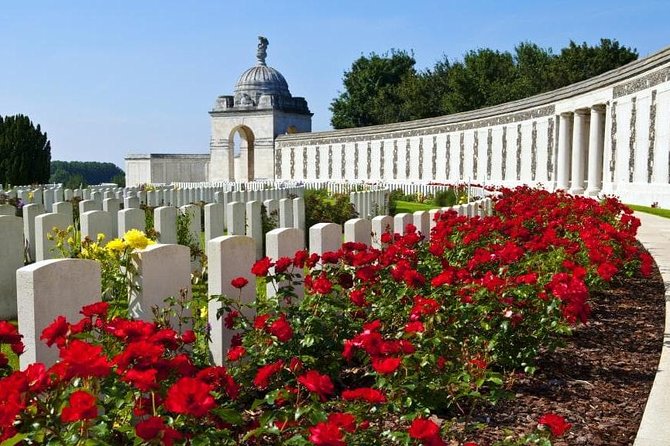
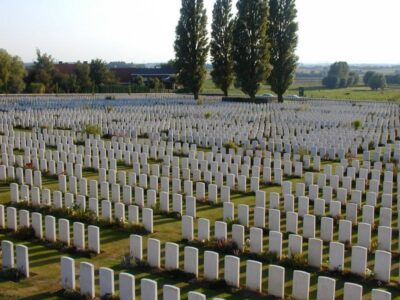
Tyne Cot Cemetery is among the most important stops of the day. It contains the graves of soldiers who died in the Ypres Salient, along with the Tyne Cot Memorial to the Missing. The memorial wall carries the names of Commonwealth soldiers whose remains were not identified or whose graves are not known.
You have about 30 minutes here. That is enough to walk through the central area, read some of the names, and understand the scale of the cemetery. It is not enough to examine every section, so let your guide point out the main features.
Tyne Cot can feel overwhelming because the cemetery’s order contrasts with the disorder of the battles that created it. The rows of graves make the human cost visible, while the memorial to the missing reminds you how many men never received an individual grave.
Keep your voice low and your visit unhurried. This is a place for reflection, not a quick photo stop between attractions. The guide’s role is valuable, but you should also allow yourself a few minutes without commentary.
Ypres gives you a needed pause
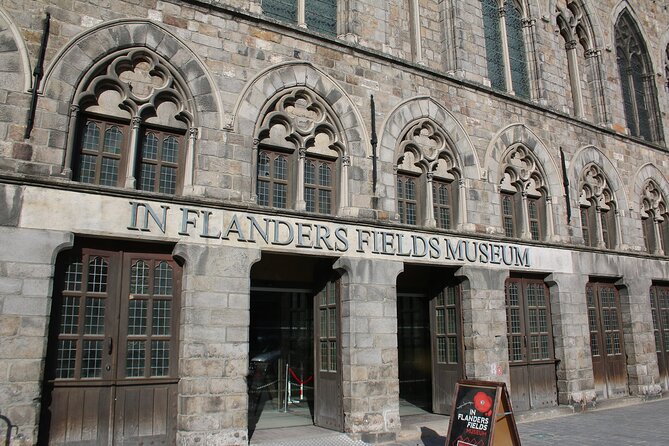
The town of Ypres provides free time for lunch and independent exploring. Lunch is not included, and one past guest found that the meal did not take place until about 2:15 p.m. That is a useful warning: eat a good breakfast and carry a small snack if you need food at regular times.
This break helps the day. After several memorials and cemeteries, you need a chance to sit down, use the restroom, and reset before the final memorial visit. You may also have time to see a little of Ypres beyond its wartime sites, although the amount of free time depends on the day’s traffic and timing.
Do not expect a long independent visit. The town is one part of a full-day route, not the whole purpose of the outing. If you want extensive time in Ypres, a separate visit would give you more freedom.
Menin Gate and the Last Post ceremony
The Menin Gate Memorial is a fitting final stop. Its walls carry the names of thousands of missing Commonwealth soldiers connected with the Ypres Salient. The memorial’s size and list of names make it one of the clearest reminders that many families never received a body to bury.
The schedule allows about an hour and a half here, which may include time around the ceremony. The Last Post ceremony is an important part of the Ypres experience, and the tour description places it among the day’s highlights. Confirm the exact timing with your guide, since the rest of the route must be arranged around it.
The ceremony is brief, formal, and quiet. You do not need special historical knowledge to understand its purpose. You simply need to stand still, listen, and respect the setting.
Afterward, you ride back to Brussels in the included private vehicle. By this point, the drive can feel long, especially after an eight to ten-hour day. The air conditioning, WiFi, bottled water, and hotel drop-off make the return easier, but this remains a full day with substantial road time.
Guides, vehicle, and the cost of a private day
The strongest human element is the guiding. Henry has been praised for being clear and articulate, while Marikea received warm credit for presenting both the history and the tragedy of Flanders Field. Those qualities matter here because the sites are spread out and many are modest in appearance.
Driver Adel also received praise for handling the transport well and going beyond the planned return destination. That kind of flexibility can be useful in Brussels, though you should not assume every special request will be possible.
The private format means your group has the vehicle and guide to itself. It is a good fit for families, couples, or friends who want to ask questions without feeling self-conscious. Children can join, but they must be accompanied by an adult, and the subject matter may be heavy for younger children.
At $889.89 per person, the price includes hotel pickup and drop-off, private transportation, an air-conditioned vehicle, WiFi, bottled water, and admission to the In Flanders Fields Museum. Lunch and gratuity are extra.
I would judge the value this way:
- If you have a small group and want a guide for the entire day, the convenience has real value.
- If you are staying in Brussels and do not want to rent a car, the transport removes a difficult planning problem.
- If you want maximum time at each museum, the packed schedule may feel restrictive.
- If cost is your main concern, the price will likely seem high beside simpler day trips.
The overall rating is 4.5 from four published ratings, which is encouraging but still a small sample. I would place more weight on the repeated praise for the guides and driver, while taking the skipped museum and late lunch as practical issues to clarify beforehand.
Who should book this experience?
I would choose this tour if you have a serious interest in the First World War, want to see several key places in one day, and value door-to-door transport. It is also a sensible choice if you are uncomfortable driving in an unfamiliar country or want a private setting for family discussion.
I would hesitate if you mainly want a relaxed day in Ypres, dislike long drives, or are watching your budget closely. The route is busy, and the emotional weight of the subject is constant. This is not a light sightseeing excursion.
Before you set out, ask three simple questions: Will the In Flanders Fields Museum definitely be visited? What time will lunch likely happen? Will the Last Post ceremony be included at the planned time? Clear answers will help you decide if the schedule suits you.
FAQ
How long does the Flanders World War I Battlefields Private Tour last?
The tour lasts approximately eight to ten hours, including the journey between Brussels and the battlefield sites.
Is hotel pickup and drop-off in Brussels included?
Yes. Pickup and drop-off from hotels in Brussels are included in the tour.
Is the In Flanders Fields Museum admission included?
Yes. Entry to the In Flanders Fields Museum is included in the price.
Is lunch included?
No. Lunch is at your own expense during free time in Ypres.
Is this a private tour?
Yes. Only your group participates in the private tour or activity.
Can I cancel for a full refund?
Yes, if you cancel at least 24 hours before the experience start time. Cancellations or changes made within 24 hours are not refunded or accepted, and the experience may also be canceled if its minimum number of participants is not met.
Just added in Brussels
- Transfer from BRU Airport to Brussels city (any hotel or address)★ 5.0 · 1 review
- Standard vehicle from Brussels airport to city of Antwerp★ 5.0 · 4 reviews
- Standard Minivan from Brussels airport to city of Antwerp★ 5.0 · 1 review
- Private transfer from BRU Airport – Brussels GO BACK MB V-CLASS 7 PAX★ 5.0 · 2 reviews
- Private transfer from Brussels Airport to Brussels city Business car★ 5.0 · 1 review
- Transfer Brussels Airport -> Antwerp MB V-CLASS 7 PAX★ 5.0 · 1 review
- Private transfer from BRU Airport to Bruges with Mercedes V class 7 pax★ 5.0 · 1 review
- Private transfer from BRU Airport to Bruges with luxury limousine 3 pax★ 5.0 · 1 review
WWI Battlefield Tours, compared.
From Bruges: Great War Flanders Fields Minibus Tour w/ Lunch
Read our review →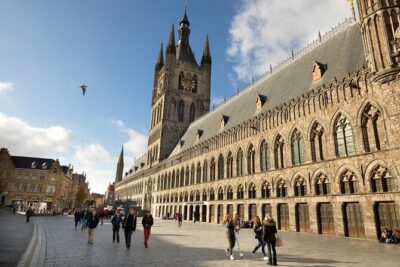
Flanders Fields Remembrance Tour from Brussels
Read our review →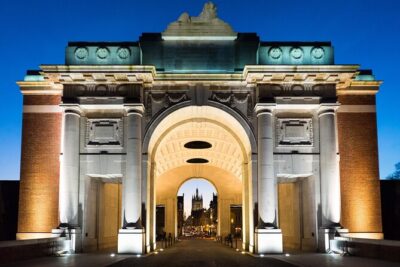
In Flanders Fields and Passchendaele Half Day Morning Tour
Read our review →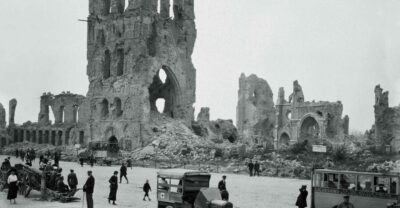
From Bruges: Flanders Fields Remembrance Full-Day Trip
Read our review →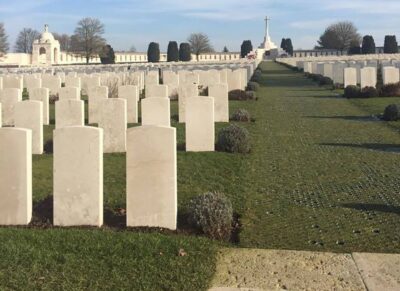
From Brussels: Flanders Fields Remembrance Full-Day Trip
Read our review →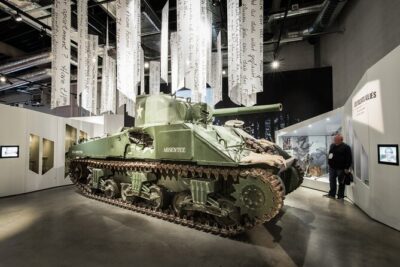
Remembrance Tour: The Battle of the Bulge in the Ardennes
Read our review →
From Brussels: The Battle of the Bulge Remembrance Tour
Read our review →Browse the lists this tour appears in