
Reviewed · WWI BATTLEFIELD TOURS
Flanders Fields Remembrance Tour from Bruges
History hits hard here. This full-day trip from Bruges takes you from German and Commonwealth cemeteries to trenches, battlefield memorials, and the daily Last Post ceremony at Menin Gate. I like the strong historical storytelling and the way the route connects distant sites into one clear account of the First World War. I also like that you visit places linked to individual people, especially Käthe Kollwitz and John McCrae, rather than simply driving past monuments.
The main drawback is the sheer size of the day. At about 10 hours and 30 minutes, with many stops and long stretches of commentary, it can feel packed. Transportation also needs checking before you book: the experience is described as an air-conditioned minivan, but some departures have used a much larger coach, and group size can be considerably more than 20 people.
In This Review
- Key points about this Bruges battlefield tour
- Why a full day is the right length
- Vladslo German Military Cemetery and Käthe Kollwitz
- Diksmuide and the Trench of Death
- Passchendaele and Tyne Cot Cemetery
- Hill 60 and the remains of trench warfare
- Essex Farm and John McCrae’s poem
- Ypres and the Flanders Fields Museum
- The Last Post at Menin Gate
- Transportation, group size, and comfort
- Lunch and the real cost of the day
- Who should book this experience
- Should you book the Flanders Fields Remembrance Tour?
- FAQ
- Where does the tour depart from?
- What time does the tour start?
- How long does the tour last?
- Is hotel pickup and drop-off included?
- Is lunch included?
- What transportation is used?
- Is the Last Post Ceremony included?
- Can I cancel for a full refund?
Key points about this Bruges battlefield tour
- A 10-hour route through major Flanders Fields sites, including Vladslo, Diksmuide, Passchendaele, Hill 60, Essex Farm, Tyne Cot, and Ypres.
- The Last Post at Menin Gate is the emotional climax, with a daily tribute to Commonwealth soldiers missing after battle.
- Expert guides make a major difference, with Diederiek Naeyaert, Diedrich, Dedrick, Stephen, and Stefan receiving especially warm praise for clear and thoughtful commentary.
- The itinerary mixes cemeteries with trenches, museums, bunkers, and towns, giving you more context than a cemetery-only excursion.
- Lunch is not fully clear in the published details, so confirm before departure whether a meal is included or paid separately.
- The tour requires moderate fitness, with walking at outdoor memorials and battlefield sites.
Why a full day is the right length
Flanders Fields is not one single attraction. The wartime sites spread across a broad area around Ypres, and the distance between them helps explain how large the front was. A guided vehicle makes it possible to cover ground that would be difficult to reach independently in one day.
You begin at 11:00 am from Bargeplein on Bargeweg in Bruges. The meeting point is central and close to public transportation, but hotel pickup is not included. I would arrive early, especially if you are unfamiliar with Bruges or are carrying a day bag.
The route takes roughly ten and a half hours. That means you should expect a serious history day, not a relaxed countryside outing. The schedule includes frequent stops, but some visits are short, around 15 to 30 minutes, while the main museum and ceremony require more time.
The guide is one of the most important parts of the experience. Diederiek Naeyaert is praised for his detailed command of First World War events and his ability to explain them without losing the human cost. Other guides, including Stephen, Diedrich, Dedrick, and Stefan, are also singled out for bringing the subject to life.
More battlefield tours:
- From Bruges: Great War Flanders Fields Minibus Tour w/ Lunch
★ 4.9 · 1,257 reviews - From Bruges: Flanders Fields Remembrance Full-Day Trip
★ 4.8 · 65 reviews - Private Vimy and Belgium Canadian Battlefield Tour from Bruges
★ 4.5 · 8 reviews
Vladslo German Military Cemetery and Käthe Kollwitz
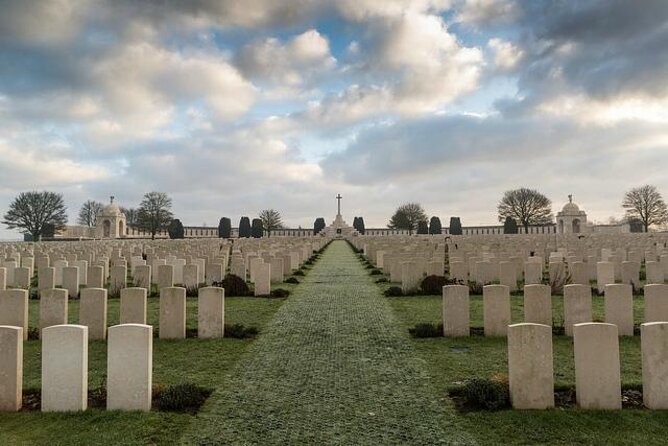
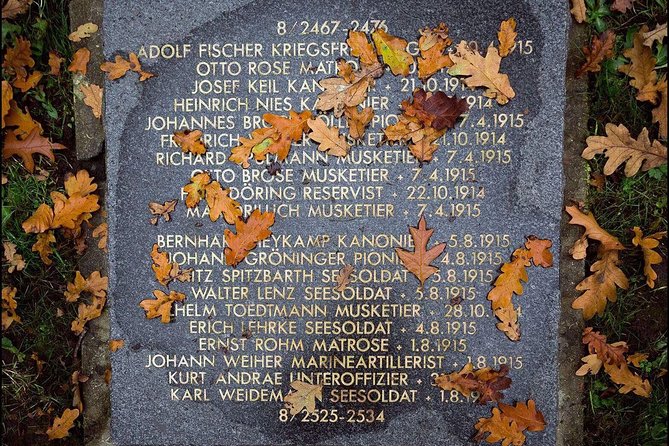
The first major stop is the German Military Cemetery at Vladslo, a quiet and serious place containing thousands of German soldiers. Its size and plain rows of graves offer a different view from the Commonwealth cemeteries later in the day.
The central work here is Käthe Kollwitz’s Grieving Parents. Kollwitz created the sculpture after losing her own son, Peter, in the war. You do not need a long explanation to understand its force. The figures are bent by grief, and the setting makes the sculpture feel personal rather than ceremonial.
This is a good opening stop because it reminds you that the war did not produce only one group of victims. The tour later visits British, Canadian, and Commonwealth memorials, but beginning at a German cemetery gives the day a wider frame.
Allow yourself to slow down here. The site is not about collecting photographs quickly. It is a place for quiet attention, and the guide’s comments are most useful when they give you a little context before allowing the setting to speak for itself.
Diksmuide and the Trench of Death
At Diksmuide, you visit the Trench of Death, one of the preserved sections of the Western Front. It is a direct physical reminder of trench warfare, where soldiers lived and fought in narrow defensive lines under constant danger.
The site is more affecting because the fighting happened at ground level. You can see how limited the space was and how difficult movement must have been. The trench is not a grand monument. Its power comes from its cramped, practical form.
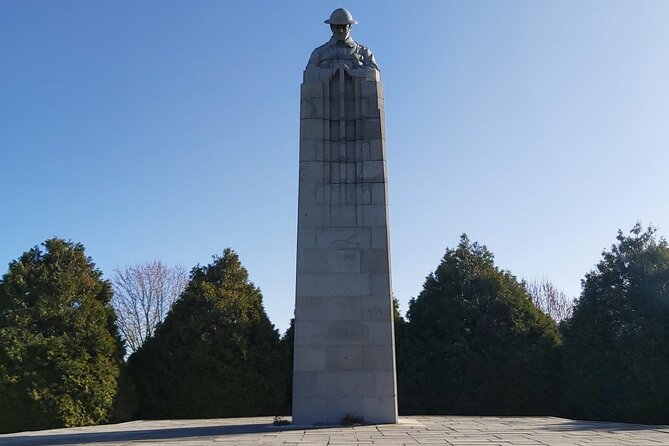
Nearby, the Brooding Soldier commemorates the sacrifice of 2,000 Canadian soldiers during the first German gas attack. The statue is also called the Canadian Memorial at the Trench of Death. This stop connects a particular weapon, a particular battle area, and a particular national sacrifice.
The tour does not treat the battlefield as a simple parade of military facts. The best guides explain how the front worked, why the position mattered, and what the soldiers faced. If you have a strong interest in military tactics, ask questions. If you are more interested in the human story, the guide can help connect those details to the men who served there.
Passchendaele and Tyne Cot Cemetery
After lunch, the route moves toward Passchendaele, one of the most notorious battle areas of the First World War. Today, the surrounding places are peaceful and traditional, which creates a stark contrast with the mud, artillery, and enormous casualties associated with the battle.
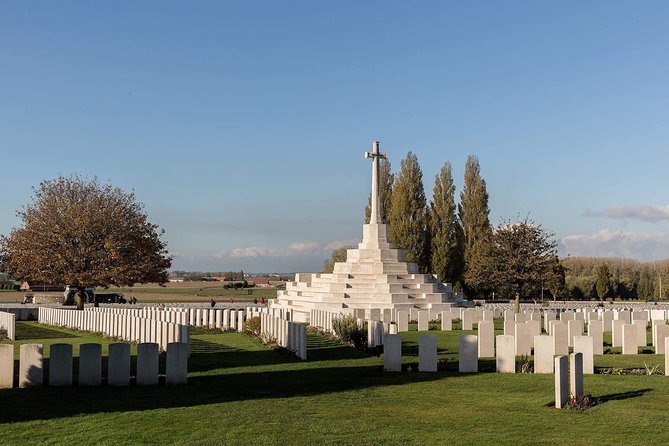
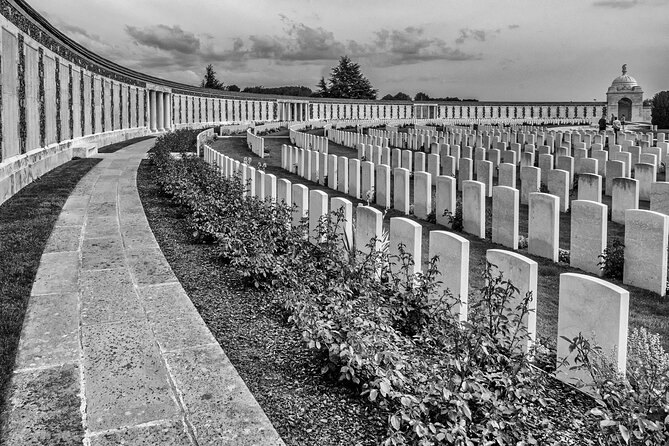
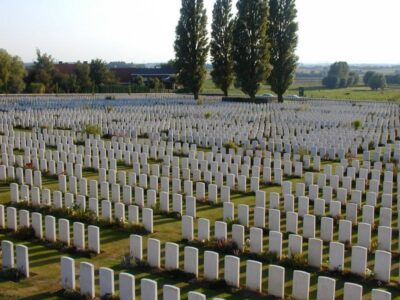
You also pass or visit Passchendaele New British Cemetery, then call at Tyne Cot Cemetery, the largest Commonwealth war cemetery in the world. Around 35,000 solemn headstones and memorial inscriptions make this one of the day’s most powerful stops.
Tyne Cot can be difficult to absorb in a short visit. The scale is almost too large to take in at once. I suggest listening to the guide first, then taking a few quiet minutes on your own. The white headstones are carefully maintained, but the neatness should not make the site feel tidy in a comforting way. The numbers are overwhelming precisely because each grave represents one person.
Some people may find that the cemetery stops begin to blend together by this stage. That is a fair concern. The tour visits several cemeteries because each reflects a different army, national tradition, or stage of the war, but you will need to conserve energy. Wear comfortable shoes and avoid treating every stop as a rushed photo opportunity.
More things to do in Bruges:
- Bruges: Small Group Boat Cruise and Guided Walking Tour
★ 4.8 · 4,102 reviews - Bruges: Walking Tour, Canal Boat Trip w/Beer Tasting Option
★ 4.4 · 2,759 reviews - Historical Walking Tour: Legends of Bruges
★ 5.0 · 2,541 reviews - Bruges: Choco-Story Chocolate Museum Guided Tour w/Tastings
★ 4.2 · 1,379 reviews
Hill 60 and the remains of trench warfare
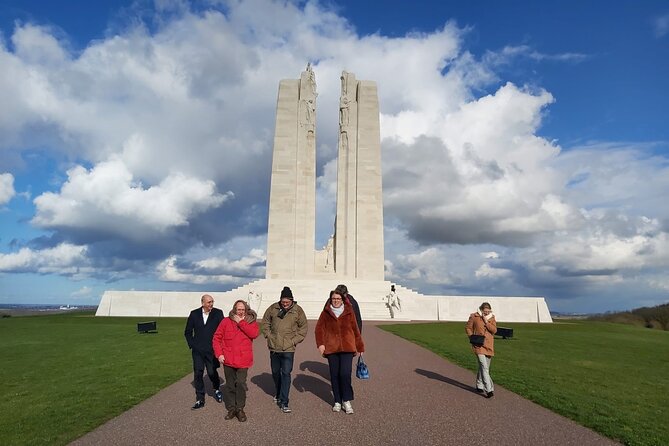
The route passes Hill 60 near Zillebeke, a battlefield memorial site and park. Hill 60 mattered because high ground was vital in a war fought through trenches and artillery observation.
The area is linked with underground tunnels and intense fighting. You see how a relatively small rise could become strategically important, and how the war reshaped even modest pieces of ground.
This part of the itinerary is especially helpful after seeing the Trench of Death. At Diksmuide, you encounter a preserved trench line. At Hill 60, you gain a broader sense of the ground around the trenches and the underground work used to attack or defend positions.
The amount of walking can vary with the day’s schedule and site conditions. The tour requires moderate physical fitness, and some outdoor surfaces may be uneven. You should plan for weather rather than relying on a sunny forecast.
Essex Farm and John McCrae’s poem
Essex Farm Cemetery is a short but meaningful stop. The site was connected with a field dressing station where Canadian doctor John McCrae wrote In Flanders Fields.
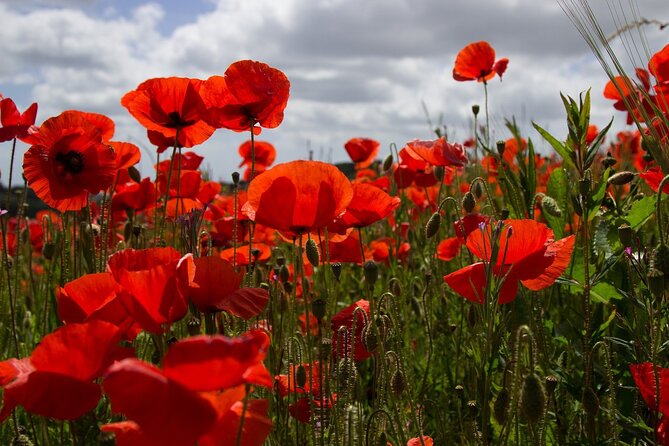
The poem is familiar to many people, but seeing the setting changes how it reads. McCrae wrote about poppies, graves, and duty while working close to wounded and dying soldiers. The poem’s public meaning became much larger than the original moment, but Essex Farm brings it back to a specific place.
You see the bunkers associated with the field hospital and the cemetery nearby. The visit lasts about 15 minutes, so it is not an extended museum stop. Still, it gives the day a human voice after the larger cemeteries and battle sites.
This is one of the places where a good guide adds real value. A short stop can feel thin if you only receive a date and a name. With clear explanation, it becomes a link between medical work, poetry, and remembrance.
Ypres and the Flanders Fields Museum
The tour includes time connected with Ypres and the Flanders Fields Museum. The museum presents artifacts from the war and uses an audio-guided format to explain the conflict and its effect on the area.
Ypres itself is central to understanding the region. Much of the city was destroyed during the war and rebuilt afterward, giving its historic center an unusual relationship with the past. The museum helps organize what you have seen outdoors: equipment, personal objects, military records, and accounts of life near the front.
The timing here matters. Several people have wished for more time at the museum and Tyne Cot, while the whole schedule must also leave room for the evening ceremony. You may need to accept a broad introduction rather than a slow museum visit.
There is also an important practical warning. The museum has been closed on some dates, and the Menin Gate has undergone refurbishment. Construction equipment or scaffolding can affect the appearance of the ceremony site. If either museum access or the gate itself is especially important to you, confirm current conditions before booking.
The Last Post at Menin Gate
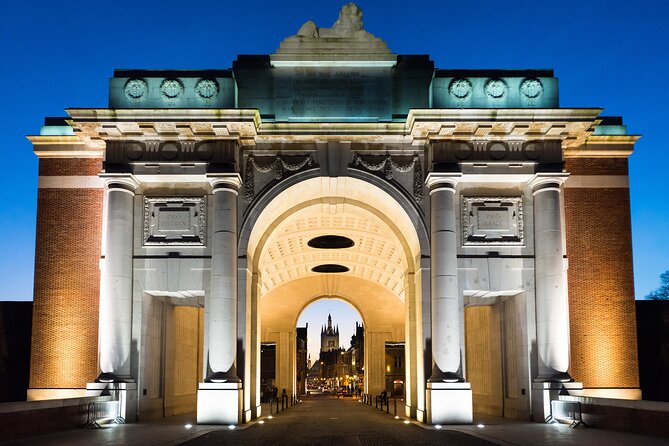
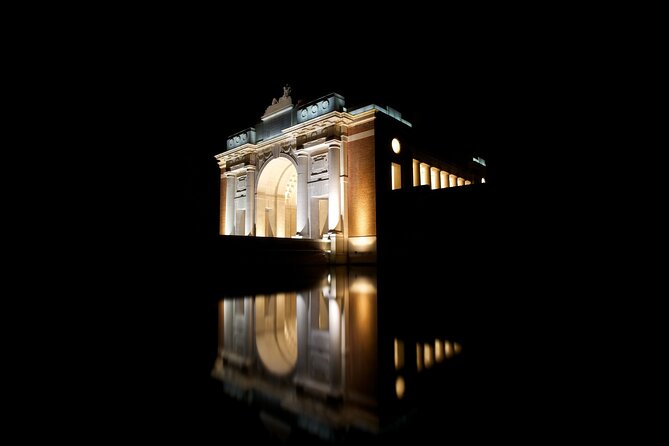
The Last Post Ceremony at Ypres Menin Gate is the closing event, and it is the reason many people choose this tour instead of a general battlefield excursion.
The tribute takes place daily and honors Commonwealth soldiers and officers missing after battle. The ceremony is simple, formal, and brief, usually lasting about 30 minutes. Its power comes from repetition and continuity rather than spectacle.
You will likely arrive before the ceremony and wait with a large crowd. That is part of the experience, but it also means your view and ability to hear may depend on where you stand. The ceremony has been held for more than 100 years, apart from interruptions caused by extraordinary circumstances, and its regularity gives it a strong sense of duty.
For me, the ceremony works because the day has already supplied the context. You have seen the cemeteries, the trenches, the hospital site, and the ground where battles took place. When the music begins at Menin Gate, the words and silence carry more weight.
Some departures allow free time in Ypres before the ceremony, sometimes for dinner. Exact meal arrangements and timing can vary, so do not assume you will have a long restaurant break unless your departure details confirm it.
Transportation, group size, and comfort
The vehicle is air-conditioned, but the format is not always a small minivan. Some departures use a large coach, and one reported group had 27 people despite an expectation of a smaller group. Another description refers to a maximum of 200 travelers, which suggests that the total capacity can be much higher than the small-group impression created by the vehicle wording.
This matters most during commentary. A large group can make it harder to hear the guide outdoors, especially near busy memorial sites. I would stay close to the guide when leaving the vehicle and ask for clarification if you miss an explanation.
The coach has received strong marks for comfort. The long drive between sites is easier in an air-conditioned vehicle, particularly on a full day with several outdoor stops. If you are prone to motion sickness, contact the operator before booking and confirm the vehicle type for your date.
The tour ends back at the Bruges meeting point. Hotel pickup and drop-off are not included, so plan your route to and from Bargeplein. One departure has also ended near Bruges station, but you should not rely on that unless it is confirmed for your booking.
Lunch and the real cost of the day
The listed price is about $95.34 per person. For a 10-hour battlefield route with transport, a professional multilingual guide, museum access when operating, and the Last Post Ceremony, that can be good value.
The price is less attractive if you want long, unhurried visits at each site. This is a survey tour. You cover a great deal of ground and gain a useful framework, but you do not get unlimited time at every cemetery or museum.
Lunch needs special attention. The tour description says lunch is not included, while several accounts describe a simple or hearty lunch, sometimes at the Hooge Crater Museum café, and one says a meal and drink were included. Because these details conflict, confirm the arrangement before paying. Bring money or a packed snack regardless, since the day is long and meal timing may be fixed.
The cost also includes convenience. Reaching Vladslo, Diksmuide, Passchendaele, Hill 60, Essex Farm, Tyne Cot, and Ypres independently would require careful planning and multiple transport connections. If your main goal is to understand the sites rather than arrange every transfer yourself, the price is reasonable.
Who should book this experience
I would recommend this tour to you if you have a serious interest in the First World War, family connections to the conflict, or a desire to understand how memorials work across different national traditions.
It also suits first-time visitors to Flanders Fields who want a broad introduction before returning to individual sites. The guides are often the strongest part of the day, and their explanations can turn a series of cemeteries into a connected story.
You may want a different option if you dislike long coach days, prefer independent pacing, or need extended time inside museums. The itinerary is demanding, and the subject is emotionally heavy. It is not a light sightseeing trip with a little history added.
Book with care if a small group is essential, if you need a minivan rather than a coach, or if you are traveling on a date when the Flanders Fields Museum or Menin Gate may be affected by closure or construction. Also check the lunch arrangement.
The cancellation policy allows a full refund when you cancel at least 24 hours before the start time. Changes made within 24 hours are not accepted, and the tour requires a minimum number of participants.
Should you book the Flanders Fields Remembrance Tour?
Book it if you want one efficient, serious day covering the key memorial sites from Bruges, with the Last Post at Menin Gate as the final tribute. The guides, especially Diederiek Naeyaert and the other highly praised battlefield specialists, can give you a far better grasp of the area than a self-guided drive.
Skip it if you need a small group, a guaranteed minivan, or enough time to study every cemetery and museum in detail. Before booking, confirm the vehicle, lunch, museum opening status, and Menin Gate refurbishment. If those points work for you, this is a meaningful and well-organized way to encounter Flanders Fields.
FAQ
Where does the tour depart from?
The tour departs from Bargeplein, Bargeweg, 8000 Brugge, Belgium.
What time does the tour start?
The scheduled start time is 11:00 am.
How long does the tour last?
The experience lasts approximately 10 hours and 30 minutes.
Is hotel pickup and drop-off included?
No. Hotel pickup and drop-off are not included. The tour ends back at the meeting point.
Is lunch included?
The details are inconsistent. The published inclusions exclude lunch, while some departures have included a simple meal and drink. Confirm the lunch arrangement for your date before booking.
What transportation is used?
The experience is described as using an air-conditioned vehicle, with the main description referring to a minivan. Some departures have used a large coach, so confirm the vehicle type if this matters to you.
Is the Last Post Ceremony included?
Yes. The itinerary includes the daily Last Post Ceremony at Ypres Menin Gate, with a visit lasting about 30 minutes.
Can I cancel for a full refund?
Yes. You can cancel for a full refund at least 24 hours before the experience start time. Cancellations or changes made less than 24 hours before departure are not accepted for a refund.
Just added in Bruges
- Unknown Bruges: A Self-Guided Audio Tour to the Heart of the Medieval Metropole★ 5.0 · 1 review
- Tour of Historical Bruges knowing The Jerusalem Chapel★ 5.0 · 2 reviews
- Ticket Expo Body Worlds in Bruges, Belgium★ 4.5 · 11 reviews
- 2-Hour Private Walking Tour of Bruges★ 5.0 · 13 reviews
- Explore the Instaworthy Spots of Bruges with a Local★ 5.0 · 3 reviews
- 6 Hour Bruges Shore Excursion from Zeebrugge Cruise Port★ 4.5 · 23 reviews
- The Waffles ‘n Coffee Breakfast in Bruges Centre★ 4.5 · 9 reviews
- Surprise Walk of Bruges with a Local★ 5.0 · 1 review
WWI Battlefield Tours, compared.
From Bruges: Great War Flanders Fields Minibus Tour w/ Lunch
Read our review →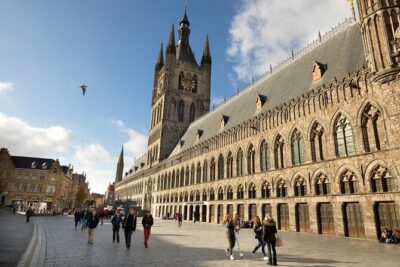
Flanders Fields Remembrance Tour from Brussels
Read our review →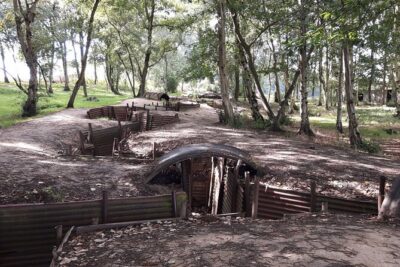
In Flanders Fields and Passchendaele Half Day Morning Tour
Read our review →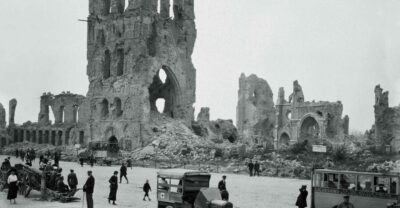
From Bruges: Flanders Fields Remembrance Full-Day Trip
Read our review →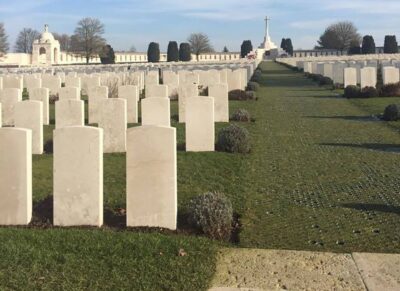
From Brussels: Flanders Fields Remembrance Full-Day Trip
Read our review →
Remembrance Tour: The Battle of the Bulge in the Ardennes
Read our review →
From Brussels: The Battle of the Bulge Remembrance Tour
Read our review →
Historic Battle of the Bulge Sites Tour from Brussels
Read our review →Browse the lists this tour appears in