
Reviewed · YPRES TOURS
PRIVATE Australian Western Front Battlefields 3-Day Tour Ypres to Amiens
The Western Front still speaks softly. This three-day private tour links the major Australian battle sites between Ypres and Amiens, using cemeteries, memorials, museums, village remains, and preserved battlefield ground to tell the story of Australia’s First World War sacrifice. Guide Soren Hawkes has family connections to the battle sites, and that personal link helps give the tour a more human focus.
I especially like the private, flexible format, which lets you spend more time on places tied to your own family story. I also like the route design: start in Ypres, finish in Amiens, and move through the Australian battles in a clear geographic flow. The main drawback is the price, $1,965.48 per person, before meals and accommodation. It makes the most sense for people who want an intensive, highly personal battlefield experience rather than a quick sightseeing stop.
In This Review
- Key details worth knowing before you book
- Why this route works from Ypres to Amiens
- Day 1: Mines, Passchendaele, and the Ypres Salient
- Day 2: Fromelles, Arras, and the Australian fight at Bullecourt
- Day 3: The Somme, Pozieres, and Australia’s final victories
- The private format and the real cost
- What to prepare before the first morning
- Who should book this tour?
- FAQ
- Where does the tour begin and end?
- Can the route run in the opposite direction?
- What time does the tour start?
- Is the tour private?
- Are meals included?
- Is accommodation included?
- Is bottled water provided?
- Can the itinerary be tailored around an ancestor?
Key details worth knowing before you book
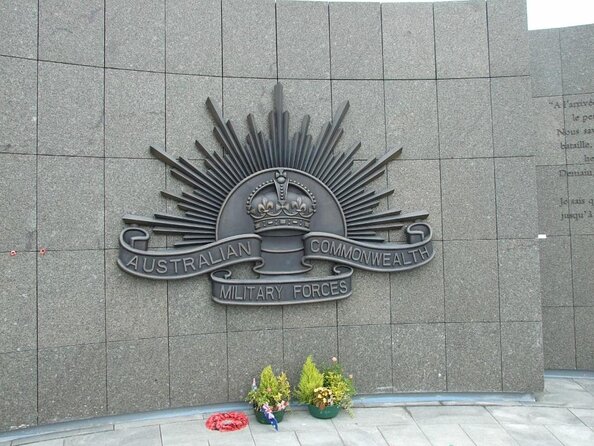
- Three full days between Ypres and Amiens: You cover the Ypres Salient, Fromelles, Arras, Bullecourt, the Somme, Villers-Bretonneux, and Le Hamel.
- Soren Hawkes leads the tour: His family links to the battle sites add a personal angle, especially for visitors researching Australian ancestors.
- A genuine private tour: Only your group participates, so the pace and selected stops can be adjusted around your interests.
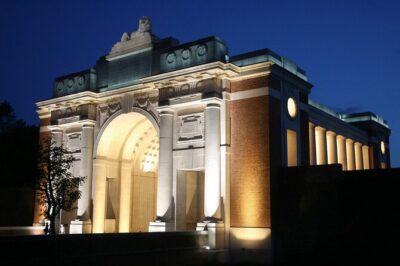
- The Last Post at 8pm: Day 1 finishes with the nightly ceremony at Menin Gate in Ypres.
- Meals and hotels are separate: Bottled water is supplied each day, but you arrange and pay for lodging and food.
- A strong choice for family research: The guide can tailor the route where possible if you have relatives connected to the battles.
Why this route works from Ypres to Amiens
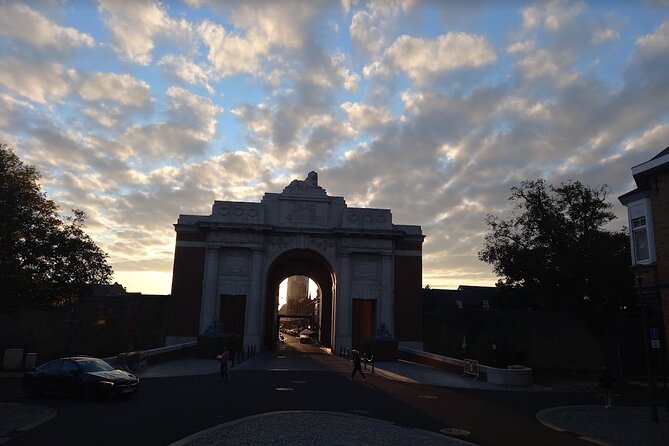
The tour covers a large stretch of the Western Front, so the order matters. Starting in Ypres places you in the ground where Australian troops fought during the 1917 advance toward Passchendaele. By the third day, the focus shifts to the Somme, the German spring offensive, and the Australian successes at Villers-Bretonneux and Le Hamel.
That progression gives you more than a string of memorials. You see how the fighting changed from muddy trench warfare around Ypres to the open, costly battles around the Somme. You also finish with some of the Australian Corps’ most effective operations, including the Battle of Le Hamel.
The route can begin in Amiens and run in reverse, which is useful if your wider plans bring you from Paris or another French destination. The stated start time is 9am, and on Day 2 you reach Amiens at about 5pm. On Day 3, you return to your Amiens hotel or the railway station.
Because this is a private tour, you should tell Soren before departure if you have names, battalions, dates, or family records. The tour description specifically allows for ancestral research to shape the itinerary where possible. That is a major advantage over a fixed coach tour.
More Ypres trips:
- From IEPER Private 4-hour Tour of the Ypres Battlefield
★ 5.0 · 154 reviews - In Flanders Fields and Passchendaele Half Day Morning Tour
★ 5.0 · 117 reviews - Ypres: An exploration of the deadly salient battlefields
★ 5.0 · 76 reviews
Day 1: Mines, Passchendaele, and the Ypres Salient
The opening day begins at Messines Ridge, where you follow the Australian advance from Messines toward Passchendaele. The visit lasts about two hours, giving the guide time to explain the 1917 fighting and connect the ground to the men who attacked across it.
Messines is especially important because of the huge underground mines used during the battle. At Spanbroekmolen Mine Crater, you hear how the explosion on June 7, 1917, tore open the German positions. The site gives you a physical sense of the scale of underground warfare, although the crater itself cannot explain the battle without a guide. This is one of the places where Soren’s storytelling matters most.
At Hill 60, the focus turns to another enormous mine operation, including the work of the 1st Australian Tunnelling Company. The stop is short, about ten minutes, but it adds a useful link between engineering, mining, and frontline combat.
The Christmas Truce Memorial at Plugstreet Wood offers a quieter change of mood. You spend about half an hour hearing the story of the 1914 Christmas Truce. It is a brief stop, but the subject gives the day a human pause before the tour returns to the violence of 1917.
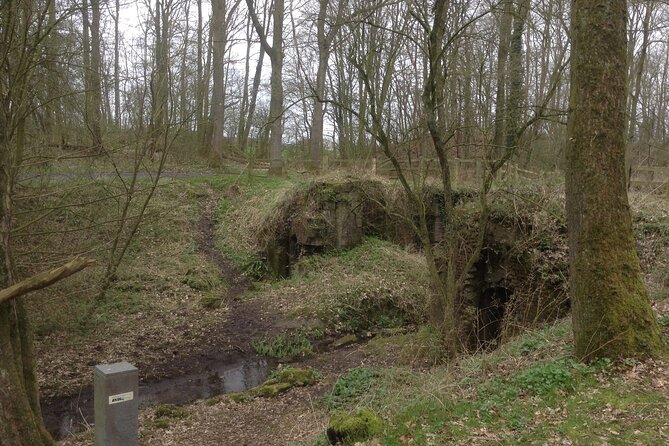
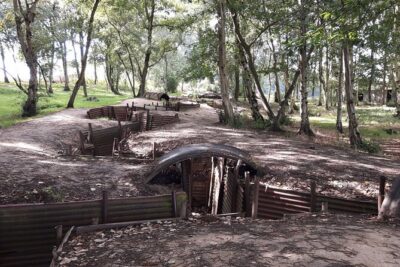
Polygon Wood brings you into the former fighting ground itself. You walk through the woods, see concrete bunkers, visit the cemetery, and stop at the Australian 5th Division monument. The visit lasts about 25 minutes, so wear shoes that can handle uneven ground and do not expect a long woodland walk.
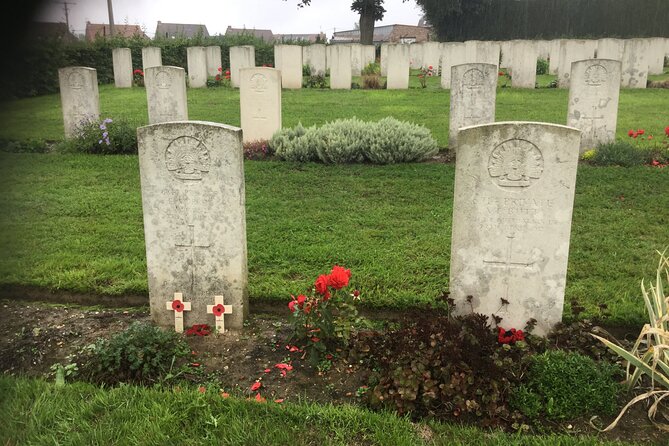
Tyne Cot Cemetery is one of the day’s most powerful stops. It is the largest Commonwealth War Graves Commission cemetery in the world, with about 12,000 burials. Only around 3,000 of those graves carry names. Two Australian Victoria Cross recipients are buried there, adding a specific Australian connection to an already solemn site.
The schedule lists a very short visit time for Tyne Cot, so you should confirm the exact timing with the guide. Given the scale of the cemetery, you may want to ask for enough time to find a particular grave or read the memorial walls.
At Essex Farm Cemetery, you visit the former hospital site associated with Lieutenant Colonel John McCrae and the poem In Flanders Fields. The 20-minute stop works well after Tyne Cot because it narrows the story from mass loss to one remembered voice.
You then get an hour at the In Flanders Fields Museum inside Ypres Cloth Hall. This is the main indoor museum visit on Day 1, and it gives useful context before the evening ceremony. The museum is a good place to slow down, look at maps and displays, and make sense of the sites you have already seen.
There is also time to look around Ypres, including the Cloth Hall, cathedral, and central square. You can use this pause for food, with Flemish stew suggested as a local dish. Meals are not included, so this is one of the points where you should budget and plan for yourself.
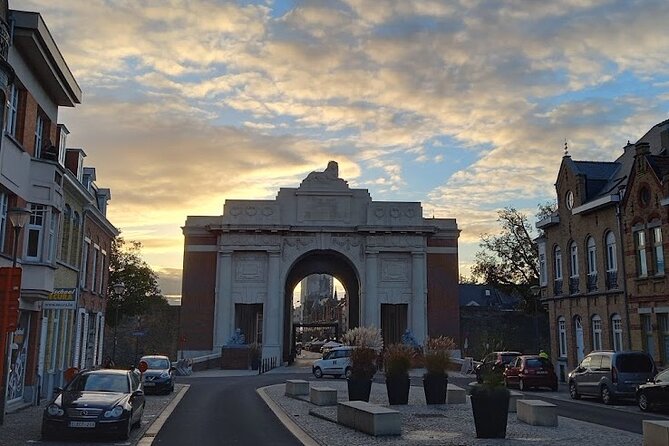
The day ends at Menin Gate for the Last Post ceremony at 8pm. The local fire brigade buglers have performed the ceremony every night since 1927, apart from the period of Nazi occupation during the Second World War. This is a central reason to begin in Ypres, though the late finish means Day 1 is long.
Langemark German Cemetery follows in the route, with about 44,000 German dead buried there. The cemetery provides a useful contrast with the Commonwealth sites. Its style and atmosphere show how different nations remembered their dead, and the visit prevents the tour from becoming a one-sided account of the war.
Day 2: Fromelles, Arras, and the Australian fight at Bullecourt
Day 2 focuses heavily on Fromelles, one of the most painful chapters in the Australian story of the Western Front. At the Museum of the Battle of Fromelles, you spend about 45 minutes learning how 250 Australian soldiers were found in a mass grave in 2008 and later identified.
That detail gives the site unusual relevance for family researchers. The story is not only about the battle in 1916, but also about the long search for the missing and the later work to identify them.
Le Trou Aid Post Cemetery brings the story down to individual units and commanders. Here you hear about Pompey Elliott and the losses suffered by the Australian 5th Division during the battle. The cemetery is described as one of the most striking of the First World War sites on the route, but the emotional weight can be heavy. This is not a light sightseeing morning.
At Pheasant Wood Military Cemetery, you see the graves of Australian soldiers recovered from the mass grave. The visit is around 20 minutes. At VC Corner Australian Cemetery, you see the mass grave and look across the battlefield from the former Australian trench lines.
The Australian Memorial Park presents the fighting from the German side of the front. The central story here is the Cobbers statue, which shows a soldier carrying a wounded comrade. It is a clear and memorable symbol of battlefield care, and the change in viewpoint helps you understand how close the opposing trenches were.
Arras provides the day’s break from cemeteries and battlefield sites. You have about an hour for lunch and time in the city’s handsome main square. The town is listed as a UNESCO World Heritage site, and its architecture makes a welcome contrast to the quiet rural memorials. Food is at your own expense, so use this stop to handle lunch rather than trying to eat while moving between sites.
The Bullecourt Digger memorial introduces one of the most costly Australian actions of the tour. The battle led to the deaths of 10,000 Australian soldiers over two weeks. The guide explains the battle at the memorial, helping you read the surrounding ground as more than peaceful farmland.
At the Slouch Hat Memorial, you see remnants of tanks involved in the fighting and another specifically Australian memorial. It is a short stop, only about ten minutes, but it adds equipment and battlefield tactics to the human stories heard earlier.
You arrive in Amiens around 5pm. Soren can point out places to eat and good viewpoints before dropping you at your lodging. Accommodation is not included, so book your Amiens hotel separately and make sure the drop-off location suits your plans.
Day 3: The Somme, Pozieres, and Australia’s final victories
The last day begins in Albert, where you stop at the basilica and hear the story of the Leaning Virgin. The visit is short, but the basilica gives you an architectural landmark before the morning returns to craters and memorials.
Lochnagar Crater is one of the most visible reminders of the opening of the Somme offensive on July 1, 1916. The mine left a crater about 30 metres deep, and the guide connects it to the day that brought the deaths of 20,000 British soldiers. The crater is large enough to make the destructive power of the mines easier to picture, though the bare site needs explanation to become meaningful.
At the 1st Australian Division Memorial, the subject is Pozieres. The battle lasted six weeks and cost 24,000 Australian casualties for a ruined village and about a mile of ground. That terrible exchange is one of the clearest examples of how little ground could be gained at an enormous human price.
The Windmill Memorial marks the German trench system known as OG1 and OG2, along with the site of a former windmill. This is a shorter battlefield stop, but it helps you understand the defensive positions that shaped the fighting around Pozieres.
At the Tank Corps Memorial, you hear how tanks were first used in battle and how their development and tactics changed. This stop gives the tour a technology angle, showing that the Western Front was not only a story of infantry, artillery, and trenches.
Le Tommy is the lunch stop. It is described as a cafe dedicated to remembering the Australian sacrifice. Lunch costs extra, but the stop gives you a practical chance to eat without rushing through another cemetery.
École Victoria is one of the route’s more unusual places. The school was paid for with pennies donated by Australian children during the 1920s. You spend about 35 minutes there, hearing how a small French school became a lasting link between communities on opposite sides of the world.
At Adelaide Cemetery, the focus turns to the unknown Australian soldier exhumed from the site in 1993. The stop lasts about 20 minutes and adds a modern chapter to the story of identification and remembrance already introduced at Fromelles.
The Australian National Memorial is a major highlight. You spend about an hour at this memorial to the 20,000 Australians missing in the area. Its scale and purpose make it an important stop for anyone researching a relative who has no known grave.
The nearby Sir John Monash Centre also receives an hour. This is the tour’s final major indoor-style visitor experience and gives you time to explore its displays at your own pace. Since the day includes many short stops, the full hour is valuable.
The final battlefield visit is the Australian Corps Memorial at Le Hamel. Here you learn about Monash’s Battle of Le Hamel, a fast operation that cost fewer lives than many earlier actions and included several important firsts. Ending here gives the tour a sense of development and achievement after the disasters of Fromelles, Pozieres, and Bullecourt.
You then return to Amiens, either to your hotel or the railway station. That makes the tour practical for a wider French itinerary, though you should keep your onward plans flexible enough to allow for the day’s schedule.
A few more options to weigh up in Ypres
- From Ypres, The Christmas Truce to Passchendaele Ypres Based WW1 private tour
★ 5.0 · 29 reviews - From Ypres: WWI Battlefields Private Tour
★ 5.0 · 25 reviews - From LIlle or Bruges, Christmas Truce to Passchendaele Ypres 1 day WW1 private
★ 5.0 · 5 reviews - From Ypres 4hr Christmas Truce and Monster Mines of Messines PRIVATE Tour
★ 5.0 · 5 reviews
The private format and the real cost

The price is $1,965.48 per person. That is a substantial sum, but it covers three full days of private guiding and transport across Belgium and northern France, with only your group participating. It also includes admission to the In Flanders Fields Museum, the Fromelles museum, and École Victoria, plus bottled water each day.
You still pay for hotels, breakfasts, lunches, dinners, and any personal expenses. Those extra costs matter because the tour does not function as an all-inclusive package.
I see the value in the price if you have a family connection, want detailed explanations, or prefer not to navigate scattered rural sites alone. The value is weaker if you only want a broad introduction to the First World War. In that case, a shorter group tour or a few museum visits may suit you better.
The private arrangement also lets you ask questions without holding up a busload of people. It gives Soren room to tailor the route where possible, which is especially useful when your research points to a particular regiment or cemetery.
What to prepare before the first morning
Bring the names of relatives, service numbers, battalions, dates, and any cemetery information you have. The guide may be able to adjust the route around those details, but the more precise your records are, the more useful the discussion can be.
Plan for long days and repeated stops outdoors. The itinerary includes woods, craters, cemeteries, memorial grounds, and former trench areas. Most people can participate, and service animals are allowed, but the schedule is active and the emotional material is serious.
Wear practical shoes and keep a little flexibility in your day. Some visits are brief, while museums and major memorials receive an hour or more. The guide can provide bottled water, but you should still arrange meals around the listed lunch stops.
The Last Post ceremony is a special part of Day 1, but it also makes that day particularly full. If you need an early night or have limited energy, ask about the timing before booking.
Who should book this tour?
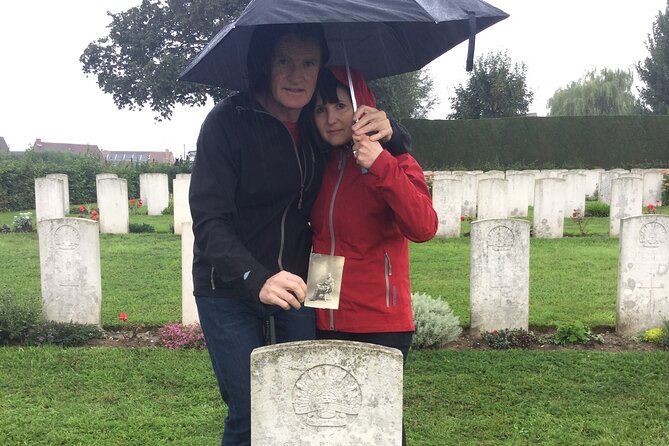
I would choose this tour for an Australian family researching the Western Front, a serious First World War enthusiast, or anyone who wants the memorials explained rather than simply photographed. Soren Hawkes is praised for being informative, reliable, thoughtful, and willing to go the extra mile, including careful preparation for family-related visits.
I would not choose it for a casual day trip or for someone seeking a relaxed holiday pace. Three days of battlefields, cemeteries, museums, and memorials can be moving and tiring. The price also requires a clear interest in the subject.
Book it if you value personal guiding, a flexible private vehicle, and a route that reaches the Australian sites between Ypres and Amiens. Skip it if you need accommodation and meals included, or if you prefer a short overview. For the right person, this is less a sightseeing tour than a carefully guided act of remembrance.
FAQ
Where does the tour begin and end?
The standard route begins in Ypres and ends in Amiens. On the final day, you can be dropped at your Amiens hotel or the Amiens railway station.
Can the route run in the opposite direction?
Yes. You can choose a Ypres to Amiens route or travel in the opposite direction.
What time does the tour start?
The stated start time is 9am.
Is the tour private?
Yes. Only your group participates in the activity.
Are meals included?
No. All meals are at your own expense. Lunch opportunities are provided in Arras on Day 2 and at Le Tommy on Day 3.
Is accommodation included?
No. You choose and pay for your own accommodation.
Is bottled water provided?
Yes. Complimentary bottled water is provided each day.
Can the itinerary be tailored around an ancestor?
Yes. The guide can tailor the tour where possible if you have an ancestor connected to one of the battles or sites.
Just added in Ypres
- From Ypres, The Christmas Truce to Passchendaele Ypres Based WW1 private tour★ 5.0 · 29 reviews
- In Flanders Fields and Passchendaele Grand Tour★ 5.0 · 25 reviews
- From LIlle or Bruges, Christmas Truce to Passchendaele Ypres 1 day WW1 private★ 5.0 · 5 reviews
- e-Scavenger hunt Ypres: Explore the city at your own pace★ 4.5 · 6 reviews
- Discover Tournai while playing! Escape game – The alchemist★ 4.0 · 3 reviews
- Full Day Canadian WW1 Vimy and Somme Battlefield Tour from Ypres★ 5.0 · 6 reviews
- Private 4hr Australian Fromelles Battlefield WW1 Tour★ 5.0 · 2 reviews
- Full Day Private Tour to WWI Passchendaele Base in Ypres★ 5.0 · 1 review
Ypres Tours, compared.
In Flanders Fields and Passchendaele Half Day Morning Tour
Read our review →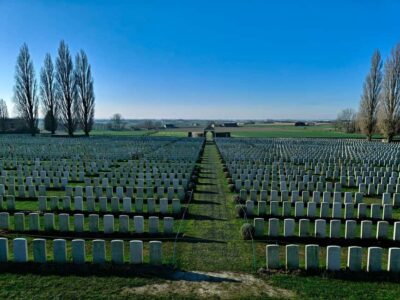
An exploration of the deadly salient battlefields
Read our review →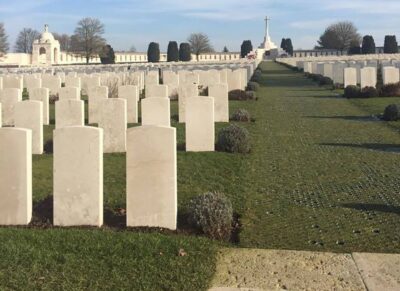
From Brussels: Flanders Fields Remembrance Full-Day Trip
Read our review →
e-Scavenger hunt Hasselt: Explore the city at your own pace
Read our review →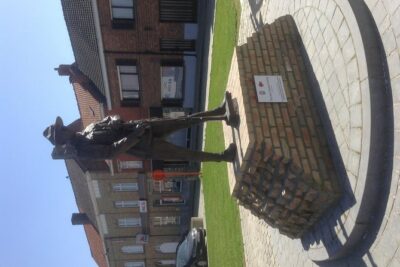
From Ypres, The Christmas Truce to Passchendaele Ypres Based WW1 private tour
Read our review →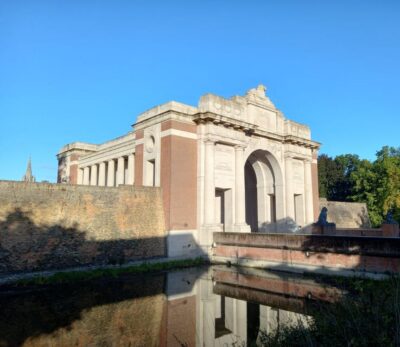
In Flanders Fields and Passchendaele Grand Tour
Read our review →
Experience Authentic Belgian Cuisine: Cooking Lesson and Meal with a Ghent Local
Read our review →Browse the lists this tour appears in