
Reviewed · WWI BATTLEFIELD TOURS
Brussels: Private World War I Battlefield Tour
History feels different on the ground. This 12-hour private trip from Brussels takes you through Flanders, where cemeteries, monuments, museums, and ruined towns explain World War I in a direct and deeply personal way. I like the private guide, which gives you room to ask questions, and I like the carefully chosen stops, especially Tyne Cot Cemetery and the Last Post Ceremony at Menin Gate. The main drawback is the long day, with considerable driving and moderate walking.
I also like that the route includes German, Canadian, British, and Commonwealth memorials instead of presenting the war from just one national viewpoint. You should know, though, that the $577-per-person price is easier to justify for a small private group than for one or two people traveling alone.
In This Review
- The key reasons to consider this Flanders tour
- Why Flanders makes such a strong history day trip
- Leaving Brussels for Vladslo’s quiet German cemetery
- Diksmuide and the Canadian Brooding Soldier
- The Flanders Field Museum puts the sites in context
- Passchendaele: seeing the name beyond the textbook
- Tyne Cot Cemetery and the scale of remembrance
- Essex Farm Cemetery and the poem connection
- Ypres and the road to Menin Gate
- Menin Gate and the Last Post Ceremony
- What the $577 price really means
- Walking, weather, and the practical side of the day
- Who should book this private battlefield tour?
- FAQ
- How long does the World War I battlefield tour last?
- Where can I be picked up?
- Is the tour private?
- Which languages are available?
- Is the Flanders Field Museum admission included?
- Is the Last Post Ceremony included?
- Are meals and drinks included?
- Is the tour suitable for wheelchair users?
- Should you book it?
The key reasons to consider this Flanders tour
- Tyne Cot Cemetery is the emotional center: You visit the largest Commonwealth cemetery, a place that makes the scale of the dead impossible to ignore.
- Käthe Kollwitz gives the day a human face: At Vladslo German Military Cemetery, her Grieving Parents sculpture focuses on parental grief rather than military glory.
- The route covers several national perspectives: You see German, Canadian, British, and Commonwealth memorial sites across Flanders.
- The Last Post Ceremony adds a powerful close: The tribute at Menin Gate gives the day a shared public moment of remembrance.
- The tour includes both museum time and open-air sites: The Flanders Field Museum helps explain what you are seeing outside.
- Pickup and language options are useful: The private tour offers hotel pickup and drop-off in Brussels, with guides available in English, Spanish, Russian, Italian, Dutch, and French.
Why Flanders makes such a strong history day trip
Flanders works well as a World War I destination because the story is spread across towns, cemeteries, roads, monuments, and former battlefields. You are not limited to a single museum room. You move through the places connected with the fighting and the remembrance that followed.
This is especially useful if you know the broad outline of World War I but want to understand how it affected ordinary soldiers and families. The day links military events with mourning. A cemetery tells you about the dead. A monument tells you how a country chose to remember them. A museum supplies the wider picture.
The tour is designed for American visitors, but its subject is international. The stops bring together German, Canadian, British, and Commonwealth stories. That wider view makes the day more thoughtful than a tour focused only on one army.
The private format matters here. World War I sites can raise difficult questions, and you can ask your guide to explain a particular battle, monument, or national memorial without worrying about holding up a large group. You also have more control over the pace, within the fixed schedule.
More battlefield tours:
- From IEPER Private 4-hour Tour of the Ypres Battlefield
★ 5.0 · 154 reviews - In Flanders Fields and Passchendaele Half Day Morning Tour
★ 5.0 · 117 reviews - From Brussels: Flanders Fields Remembrance Full-Day Trip
★ 4.4 · 65 reviews
Leaving Brussels for Vladslo’s quiet German cemetery
Your guide meets you in Brussels, Bruges, or Antwerp, depending on the arrangements for your booking. The published inclusions specifically cover hotel pickup and drop-off in Brussels, so if you want to begin or end in Bruges or Antwerp, confirm those details before paying.
Vladslo German Military Cemetery is the first major stop, with about 30 minutes set aside. The focus here is Grieving Parents, the sculpture by German artist Käthe Kollwitz. Its power comes from its restraint. Instead of celebrating victory or military skill, the work directs your attention to the parents left behind.
I would give this stop your full attention. Thirty minutes is enough to see the memorial and reflect, but it is not a long visit. The setting calls for quiet behavior, and photography should never get in the way of the solemn mood.
This is also a useful early reminder that the tour is not about battlefield spectacle. Much of the day asks you to pause, read names, and consider the cost of the war.
Diksmuide and the Canadian Brooding Soldier
The next stop is Diksmuide, where you visit the Brooding Soldier monument. It honors Canadian soldiers and adds another national voice to the day. The stop lasts about 30 minutes, so you will have time to see the monument and hear its connection to the Canadian wartime experience without turning it into a long museum visit.
You also get free time in Diksmuide for lunch and personal exploration. The scheduled lunch break is about one hour, and meals and drinks are not included. That gives you freedom to choose what you want, but it also means you should budget separately for food.
This break is practical. After an early start and several solemn sites, you need time to eat and reset. Diksmuide is also your chance to step away from the guided schedule for a short while. Keep an eye on the meeting time, since the afternoon includes several important stops.
The Flanders Field Museum puts the sites in context
The Flanders Field Museum gives you the indoor portion of the day. About two hours are allotted for the Flanders visit, including the museum experience. The museum helps connect the individual memorials with the wider war, so you can better understand why the surrounding towns and cemeteries matter.
That context is important. Without it, a full day of names and monuments can blur together. The museum gives you a framework for the battles, the soldiers, and the effect of the conflict on the region.
I would not treat this as a quick rainy-day backup. It is one of the stops that makes the outdoor visits more meaningful. If your interest in World War I is strong, you may want to use your museum time carefully rather than rushing through it to reach the next cemetery.
The pace may feel demanding because the museum comes as part of a long day. Still, the balance is useful: you get explanations indoors, then return outside with more understanding of what the memorials represent.
More Ypres trips:
- Ypres: An exploration of the deadly salient battlefields
★ 5.0 · 76 reviews - e-Scavenger hunt Hasselt: Explore the city at your own pace
★ 4.0 · 31 reviews - From Ypres, The Christmas Truce to Passchendaele Ypres Based WW1 private tour
★ 5.0 · 29 reviews - In Flanders Fields and Passchendaele Grand Tour
★ 5.0 · 25 reviews
Passchendaele: seeing the name beyond the textbook
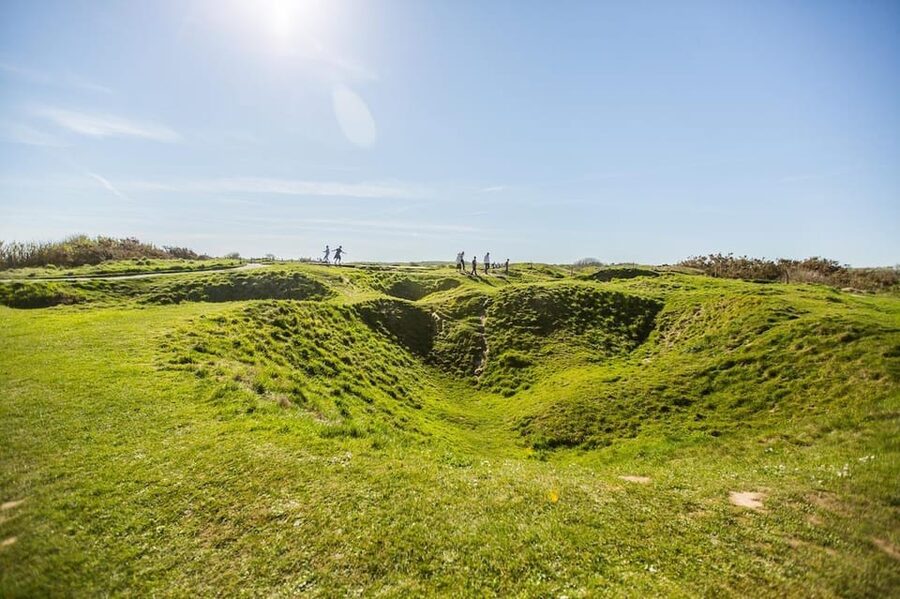
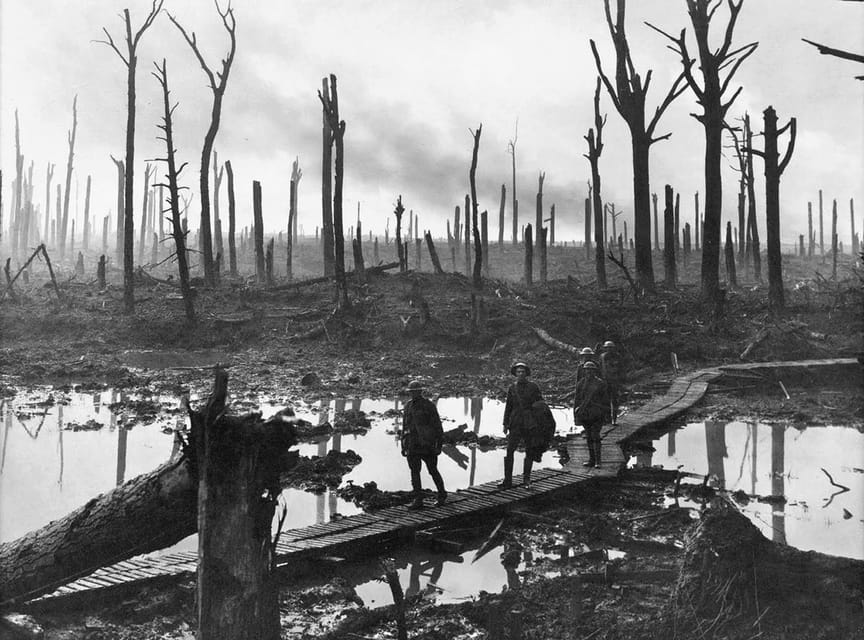
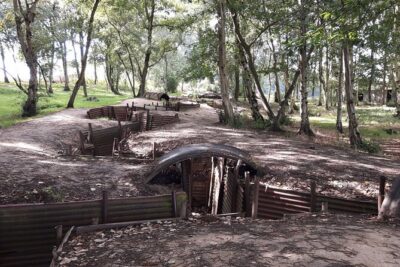
The Passchendaele Battlefield is one of the day’s central sites. The visit allows you to connect a famous battle name with the actual area in Flanders. The tour does not simply list dates and commanders. It places the battle within a route that also includes cemeteries, memorials, and the town of Ypres.
You should expect an interpretive stop rather than a preserved battlefield filled with visible structures. The value comes from the guide’s explanation and from seeing the setting for yourself. The area’s meaning is tied to the stories of the soldiers who fought there and the communities affected by the war.
This is where a private guide can be particularly helpful. You can ask for clarification if military terms or battle movements become confusing. You can also tell the guide whether you want more detail about strategy, daily soldier life, or remembrance.
The day involves moderate walking, so comfortable shoes are essential. Weather can change, and the Last Post Ceremony is outdoors, so bring clothing that can handle wind, rain, or cool conditions.
Tyne Cot Cemetery and the scale of remembrance
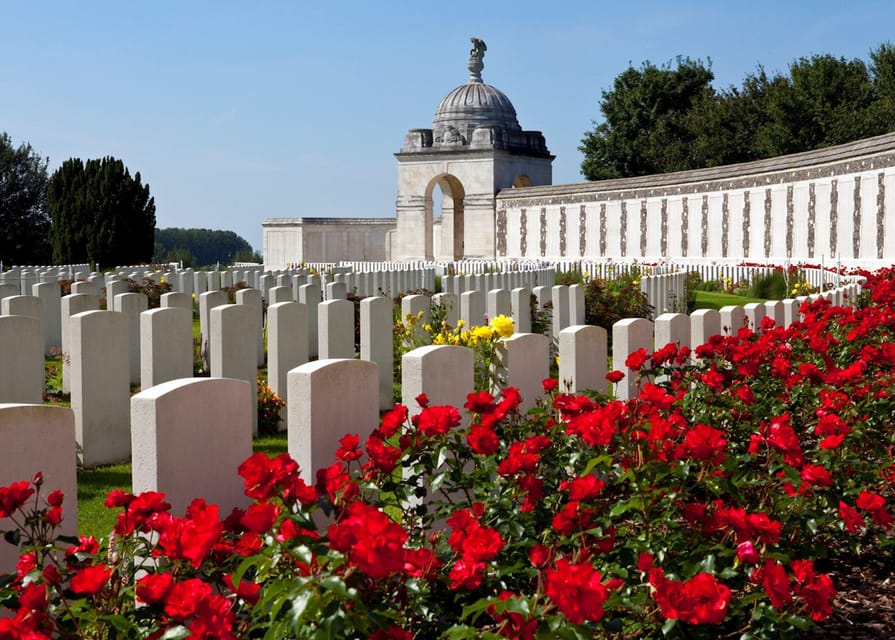
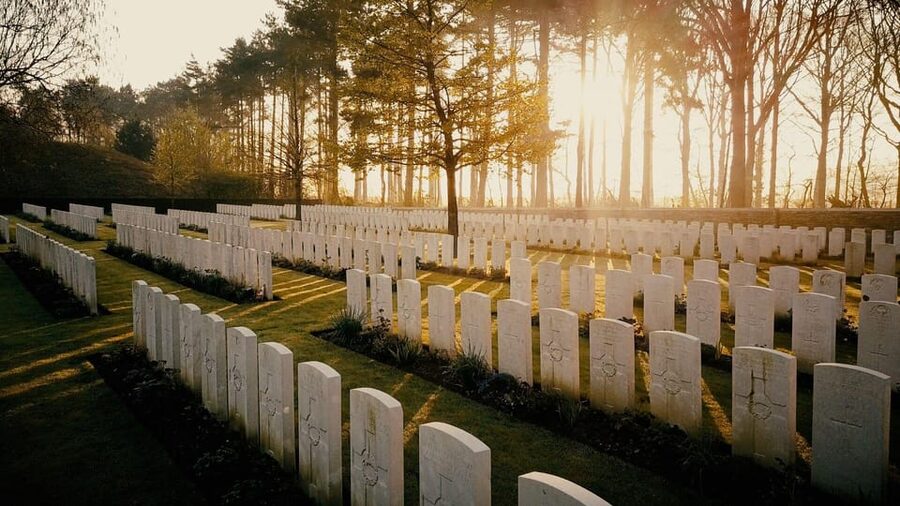
Tyne Cot Cemetery is the largest Commonwealth cemetery, and it is likely to be one of the most affecting stops on the tour. Its size gives you a physical sense of the enormous number of Commonwealth casualties.
You do not need elaborate ceremony to understand the place. The rows of graves and memorials do the work. Your guide can add context, but you should also allow yourself quiet time to look around without a running commentary.
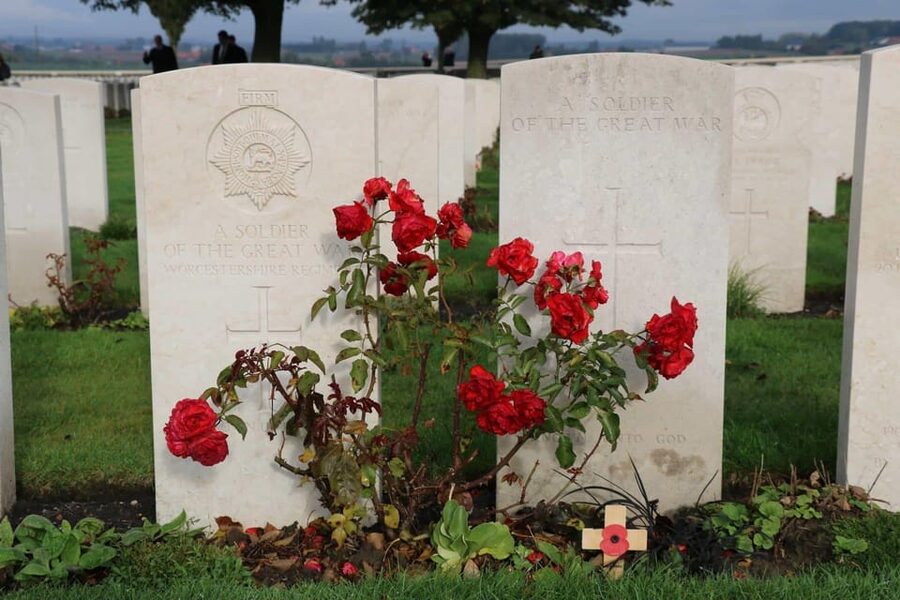
The cemetery visit is valuable because it brings the war down to individual names. Military history often turns people into numbers. A cemetery reverses that process. It asks you to consider each person as someone whose life ended far from home.
Photography is allowed, but the setting demands restraint. Avoid treating the cemetery like a standard sightseeing stop. Keep voices low, follow site rules, and give other people space to remember.
Essex Farm Cemetery and the poem connection
At Essex Farm Cemetery, you visit the place associated with the poem In Flanders Fields. The stop lasts about 30 minutes, making it a focused visit rather than a long exploration.
This is a good example of how the tour connects literature with place. Many people know the poem before they arrive, but visiting the cemetery gives its words a physical setting. The connection adds another layer to the day, linking remembrance, writing, and the experience of wartime burial.
You may find this stop more intimate than Tyne Cot because the visit is shorter and the focus is narrower. It works best if you have already taken in the broader military context at the museum and battlefield sites.
Ypres and the road to Menin Gate
Ypres receives about two hours of attention, including time to learn about its wartime history. The town is important because it ties the battlefields to a living community. You are not only looking at isolated memorials in the countryside. You are also considering a town shaped by wartime destruction and remembrance.
The exact balance between guided explanation and free exploration depends on your guide and the day’s timing. Since the Last Post Ceremony takes place at Menin Gate, your time in Ypres is closely connected with the evening tribute.
I like this part of the tour because it gives you a change of scale. The cemeteries are quiet and separated from daily life. Ypres brings you back into a town setting, while still keeping the war at the center of the visit.
The schedule is full, so do not expect an unhurried afternoon of shopping or extended café time. The purpose here is wartime history, followed by the ceremony.
Menin Gate and the Last Post Ceremony
The Last Post Ceremony at Menin Gate is the emotional finish. You attend the outdoor tribute to fallen soldiers, and the ceremony gives the day a shared act of remembrance rather than leaving you with a private impression at the last cemetery.
Because it is outdoors, dress for the weather. You should also arrive ready for a solemn public event. Photography is permitted, but use discretion and avoid allowing a camera to distract from the ceremony.
The ceremony works well at the end of this particular route. By this point, you have seen German and Canadian memorials, visited Commonwealth graves, learned about the battlefield, and considered the poem connected with Essex Farm. Menin Gate gathers those strands into one public tribute.
The schedule lists about one hour for Menin Gate. The exact starting time depends on availability, so check the time when booking. A day that ends late can also make the return to Brussels tiring, especially after a full 12 hours on the road.
What the $577 price really means
At $577 per person, this is a costly day trip. The price makes the most sense if you value a private vehicle, a dedicated guide, hotel pickup and drop-off in Brussels, museum admission, and attendance at the Last Post Ceremony.
For a solo visitor or a couple, the cost may feel steep. A larger private group can spread the per-person price and gain more from the private format. You are not paying only for entry tickets. You are paying for the route, transportation, interpretation, and the ability to ask questions throughout the day.
The tour includes entrance to the Flanders Field Museum and attendance at the Last Post Ceremony. Meals, drinks, and personal expenses are extra, so add lunch to your budget.
I would compare this experience with the cost and effort of arranging several remote sites yourself. Flanders has many separate places, and the value here is having them connected in one long day. If you already have a car and strong knowledge of World War I, you may prefer independent travel. If you want the logistics handled and the story explained, the private price is easier to defend.
Walking, weather, and the practical side of the day
The tour is wheelchair accessible, but it still involves moderate walking. You should wear comfortable shoes and be ready for outdoor paths at cemeteries, monuments, and battlefield areas.
Flanders weather can be variable. Bring weather-appropriate clothing, with particular care for the Last Post Ceremony because it takes place outside. A wet or cold evening can make the final hour feel much longer.
Children under six are not permitted. Older children may be able to manage the day, but the subject is serious and the duration is substantial. I would choose this tour for adults, older teenagers, history students, military history enthusiasts, and anyone with a personal connection to World War I remembrance.
The available guide languages are English, Spanish, Russian, Italian, Dutch, and French. If the tour language is important to you, confirm it when booking.
Free cancellation is available up to 24 hours before the tour for a full refund, and you can reserve now and pay later. Those terms help when your Brussels plans are still changing, but they do not remove the need to check pickup details and starting times.
Who should book this private battlefield tour?
I would choose this tour if you want a serious, full-day introduction to World War I sites in Flanders without organizing several separate stops. It suits you especially well if you prefer private guiding, need Brussels hotel pickup, or want to attend the Last Post Ceremony without handling the route yourself.
I would hesitate if you want a relaxed day with plenty of free time. Twelve hours is a long commitment, and the itinerary includes driving, walking, museum time, cemeteries, and an outdoor evening ceremony.
The tour is also a good choice if you want more than a single national story. Vladslo, Diksmuide, Tyne Cot, Essex Farm, Passchendaele, and Ypres give you a broad view of war and remembrance. The day is not light entertainment, but it is carefully shaped around places that reward patience and respect.
FAQ
How long does the World War I battlefield tour last?
The tour lasts 12 hours, including transportation, visits, lunch time, and the Last Post Ceremony.
Where can I be picked up?
Pickup options are listed for Brussels, Bruges, and Antwerp. Hotel pickup and drop-off in Brussels are included, so confirm the exact arrangements if you want pickup or drop-off in Bruges or Antwerp.
Is the tour private?
Yes. It is a private group experience with a private tour guide.
Which languages are available?
Guides are available in English, Spanish, Russian, Italian, Dutch, and French.
Is the Flanders Field Museum admission included?
Yes. Entrance to the Flanders Field Museum is included in the tour price.
Is the Last Post Ceremony included?
Yes. Attendance at the Last Post Ceremony at Menin Gate is included.
Are meals and drinks included?
No. Meals and drinks are not included. The itinerary provides about one hour for lunch in Diksmuide.
Is the tour suitable for wheelchair users?
The activity is listed as wheelchair accessible. It also involves moderate walking, so discuss your specific needs when booking.
Should you book it?
Book this tour if you want a focused, private day that links major Flanders memorials with a museum and the Last Post Ceremony. The strongest reasons are the range of viewpoints, the thoughtful memorial stops, and the ease of covering distant sites in one trip.
Skip it if $577 per person feels too high, or if you would rather spend several slower days exploring Ypres and the surrounding area. For most people who have only one day for World War I sites in Belgium, the route offers a meaningful use of that time, provided you are ready for a long and solemn day.
Just added in Ypres
- From Ypres, The Christmas Truce to Passchendaele Ypres Based WW1 private tour★ 5.0 · 29 reviews
- In Flanders Fields and Passchendaele Grand Tour★ 5.0 · 25 reviews
- From LIlle or Bruges, Christmas Truce to Passchendaele Ypres 1 day WW1 private★ 5.0 · 5 reviews
- Discover Tournai while playing! Escape game – The alchemist★ 4.0 · 3 reviews
- e-Scavenger hunt Ypres: Explore the city at your own pace★ 4.5 · 6 reviews
- Full Day Canadian WW1 Vimy and Somme Battlefield Tour from Ypres★ 5.0 · 6 reviews
- Private 4hr Australian Fromelles Battlefield WW1 Tour★ 5.0 · 2 reviews
- Full Day Private Tour to WWI Passchendaele Base in Ypres★ 5.0 · 1 review
WWI Battlefield Tours, compared.
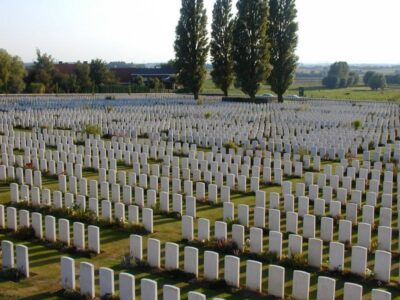
From Bruges: Great War Flanders Fields Minibus Tour w/ Lunch
Read our review →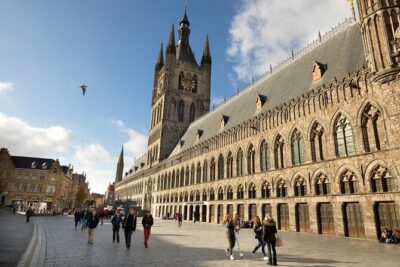
Flanders Fields Remembrance Tour from Brussels
Read our review →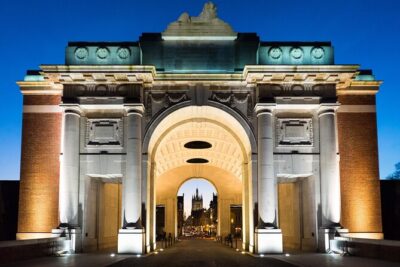
In Flanders Fields and Passchendaele Half Day Morning Tour
Read our review →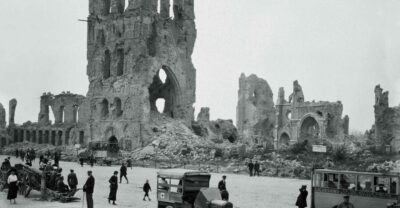
From Bruges: Flanders Fields Remembrance Full-Day Trip
Read our review →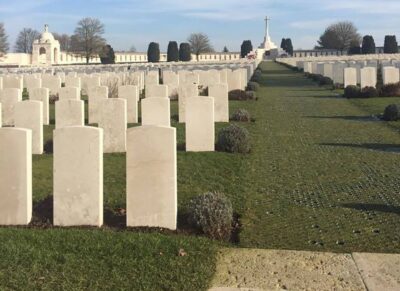
From Brussels: Flanders Fields Remembrance Full-Day Trip
Read our review →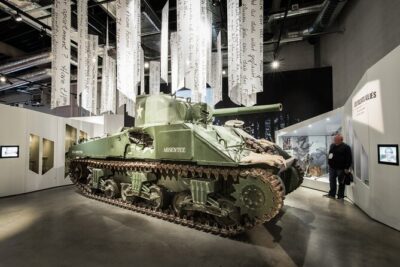
Remembrance Tour: The Battle of the Bulge in the Ardennes
Read our review →
From Brussels: The Battle of the Bulge Remembrance Tour
Read our review →Browse the lists this tour appears in